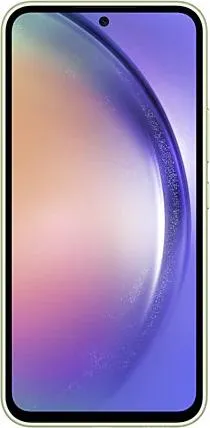
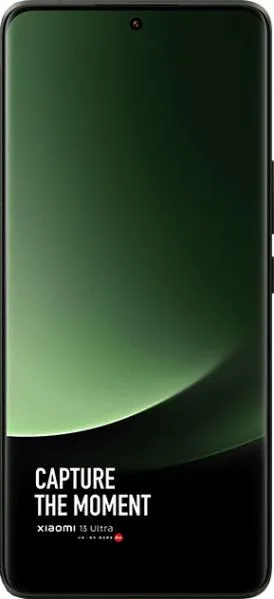
1. Specifications Comparison
| Feature | Samsung Galaxy A54 | Xiaomi 13 Ultra | Practical Impact |
|---|---|---|---|
| Design | |||
| Dimensions (mm) | 158.2 x 76.7 x 8.2 | 163.2 x 74.6 x 9.1 | Xiaomi 13 Ultra is slightly larger and thicker. |
| Weight (g) | 202 | 227 | Xiaomi 13 Ultra is noticeably heavier. |
| Build | Not specified | Not specified | Build quality impact cannot be assessed. |
| Display | |||
| Size (inches) | 6.4 | 6.73 | Xiaomi 13 Ultra offers a larger screen for more immersive content consumption. |
| Resolution | 1080 x 2340 | 1440 x 3200 | Xiaomi 13 Ultra has a significantly sharper display with higher pixel density (522 vs 403 ppi). |
| Type | Super AMOLED | LTPO AMOLED | Both offer vibrant colors and deep blacks, but LTPO allows for dynamic refresh rate adjustment, potentially saving battery. |
| Refresh Rate (Hz) | 120 | 120 | Both offer smooth scrolling and animations. |
| Peak Brightness (nits) | 1000 (HBM) | 2600 (peak) | Xiaomi 13 Ultra boasts much higher peak brightness, ensuring excellent outdoor visibility. |
| Performance | |||
| Chipset | Exynos 1380 (5 nm) | Snapdragon 8 Gen 2 (4 nm) | Snapdragon 8 Gen 2 offers significantly better CPU and GPU performance, resulting in faster app loading, smoother multitasking, and enhanced gaming capabilities. |
| CPU | Octa-core (4x2.4 GHz Cortex-A78 & 4x2.0 GHz Cortex-A55) | Octa-core (1x3.2 GHz Cortex-X3 & 2x2.8 GHz Cortex-A715 & 2x2.8 GHz Cortex-A710 & 3x2.0 GHz Cortex-A510) | Xiaomi 13 Ultra's more advanced CPU architecture delivers superior processing power. |
| GPU | Mali-G68 MP5 | Adreno 740 | Adreno 740 provides a significant boost in graphics performance for demanding games and applications. |
| RAM | 8GB | 12GB | More RAM in the Xiaomi 13 Ultra allows for smoother multitasking and handling more demanding applications. |
| Camera | |||
| Main Camera | 50MP, f/1.8 | 50MP, f/1.9, 1-inch sensor | Xiaomi 13 Ultra's larger sensor allows for superior low-light performance and depth of field. |
| Ultrawide | 13MP, f/2.2 | 50MP, f/1.8 | Xiaomi offers a significantly higher resolution ultrawide with a wider aperture. |
| Telephoto | Not specified | 50MP, f/3.0 + 50MP, f/1.8 | Xiaomi 13 Ultra has dual telephoto lenses for greater zoom versatility. |
| DXOMARK Score | 107 | 140 | Xiaomi 13 Ultra scores significantly higher in overall camera quality according to DXOMARK. |
| Battery | |||
| Capacity (mAh) | 5000 | 5000 | Both phones have the same battery capacity. |
| Fast Charging | 25W | 90W | Xiaomi 13 Ultra charges significantly faster. |
| Wireless Charging | No | No | Neither phone offers wireless charging as per the provided specifications. |
2. Key Differences Analysis
Xiaomi 13 Ultra Advantages:
- Superior Performance: Snapdragon 8 Gen 2, more RAM, and a more powerful GPU provide a significant performance advantage.
- Advanced Camera System: Larger sensor, Leica lenses, and dual telephoto offer exceptional imaging capabilities.
- Sharper Display: Higher resolution and peak brightness deliver a better viewing experience.
- Faster Charging: 90W fast charging significantly reduces charging time.
- USB 3.2 and DisplayPort: Enables faster data transfer and potential desktop mode functionality.
Samsung Galaxy A54 Advantages:
- More Affordable: Belongs to a lower price range.
- Lighter and More Compact: Easier to handle and carry.
Trade-offs:
- Price vs. Performance: Xiaomi 13 Ultra offers top-tier performance but at a significantly higher price.
- Size and Weight: Xiaomi 13 Ultra's larger size and weight might not be ideal for everyone.
3. User Profiles & Recommendations
Samsung Galaxy A54: Suitable for budget-conscious users who prioritize affordability, a compact design, and good battery life. Ideal for everyday tasks like browsing, social media, and casual photography.
Xiaomi 13 Ultra: Ideal for power users, mobile photographers, and videographers who demand top-tier performance, the best camera system, and a stunning display. Suitable for demanding tasks like gaming, content creation, and professional photography.
4. Decision Framework
Key Questions:
- What is your budget? The price difference is substantial.
- What are your primary use cases? Demanding tasks benefit from the Xiaomi's power; everyday use might not justify the extra cost of the Xiaomi.
- What are your preferences for size and weight? The A54 is more pocketable.
Scenario-Based Recommendations:
- Limited Budget: Samsung Galaxy A54
- Photography Enthusiast: Xiaomi 13 Ultra
- Gamer: Xiaomi 13 Ultra
- Everyday User on a Budget: Samsung Galaxy A54
My Choice: Xiaomi 13 Ultra
While the Samsung Galaxy A54 offers great value for its price, the Xiaomi 13 Ultra is the clear winner for me. I prioritize performance, camera quality, and a great display. The Snapdragon 8 Gen 2, coupled with the impressive camera system and sharp display, makes the Xiaomi 13 Ultra a compelling device. The faster charging and extra features like DisplayPort further solidify its position as a top-tier flagship. While the price is higher, the significant advancements in performance and features justify the premium for my needs. The heavier weight is a minor trade-off for the superior overall experience.
