1. Specifications Comparison
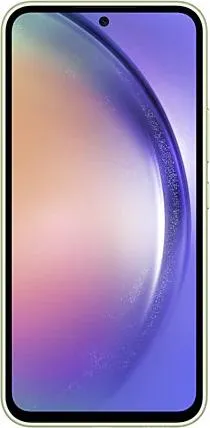
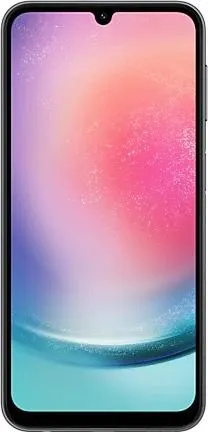
| Feature | Samsung Galaxy A54 | Samsung Galaxy A24 4G | Practical Impact |
|---|---|---|---|
| Design | |||
| Dimensions (mm) | 158.2 x 76.7 x 8.2 | 162.1 x 77.6 x 8.3 | A54 is slightly smaller and may feel more comfortable in hand. |
| Weight (g) | 202 | 195 | Negligible weight difference in practical usage. |
| Fingerprint Sensor | Under Display | Side-mounted | Personal preference; under-display feels more modern, side-mounted can be faster. |
| Display | |||
| Size (inches) | 6.4 | 6.5 | A24 has a slightly larger screen for more immersive content consumption. |
| Resolution (pixels) | 1080 x 2340 | 1080 x 2340 | Identical resolution, sharpness will be similar given the slight size difference. |
| Refresh Rate (Hz) | 120 | 90 | A54's 120Hz provides smoother scrolling and animations, enhancing perceived performance. |
| Display Type | Super AMOLED, HDR10+ | Super AMOLED | A54 supports HDR10+ for better dynamic range and color accuracy in compatible content. |
| Peak Brightness (nits) | 1000 (HBM) | 1000 | Similar peak brightness, ensuring good outdoor visibility for both. |
| Performance | |||
| Chipset | Exynos 1380 (5nm) | Mediatek Helio G99 (6nm) | A54's Exynos 1380 is generally more powerful, offering better performance in demanding tasks and gaming. |
| CPU | Octa-core (4x2.4 GHz A78 & 4x2.0 GHz A55) | Octa-core (2x2.2 GHz A76 & 6x2.0 GHz A55) | A54 has a more powerful CPU configuration, resulting in faster processing speeds. |
| GPU | Mali-G68 MP5 | Mali-G57 MC2 | A54's GPU is significantly more powerful, enabling smoother gaming and faster graphics rendering. |
| RAM (GB) | 8 | 6 (up to 8GB in some versions) | A54's 8GB RAM ensures better multitasking and app performance compared to the base 6GB RAM of A24. |
| Camera | |||
| Main Camera (MP) | 50 (Sony IMX766) | 50 | A54 uses a known high-quality Sony sensor, likely resulting in better image quality. Sensor details for A24 are lacking. |
| Selfie Camera (MP) | 32 | 13 | A54's higher resolution selfie camera will capture more detailed photos. |
| Video Recording | 4K@30fps with EIS | 1080p@30fps with EIS | A54 can record higher resolution video with better stabilization. |
| Battery | |||
| Capacity (mAh) | 5000 | 5000 | Identical battery capacity suggests similar battery life, although real-world usage can vary. |
| Fast Charging | 25W | 25W | Both phones offer the same fast charging speed. |
2. Key Differences Analysis
Samsung Galaxy A54 Advantages:
- Superior Performance: The Exynos 1380 and Mali-G68 MP5 offer a noticeable performance advantage for demanding tasks, gaming, and multitasking.
- Smoother Display: The 120Hz refresh rate provides a more fluid and responsive user experience.
- Better Camera System: The higher resolution selfie camera, 4K video recording, and use of a known high-quality Sony sensor in the main camera suggest superior image and video quality.
- HDR10+ Support: Enhanced dynamic range and color accuracy for compatible content.
Samsung Galaxy A24 4G Advantages:
- Slightly Larger Display: Offers a marginally more immersive viewing experience for media consumption.
- Potentially Lower Price: Depending on the specific RAM/storage configuration.
Trade-offs:
- A24 sacrifices performance and camera quality for a potentially lower price and slightly larger display.
- A54 has a smaller display.
3. User Profiles & Recommendations
Samsung Galaxy A54: Users who prioritize performance, a smooth display, a good camera, and modern features. Ideal for mobile gaming, multitasking, and content creation.
Samsung Galaxy A24 4G: Budget-conscious users who prioritize basic smartphone functionality, a large screen for media consumption, and all-day battery life. Best for casual usage, social media, and browsing.
4. Decision Framework
Key Questions for Buyers:
- What is your budget? The A24 is likely more affordable.
- What are your primary smartphone usage patterns? (Gaming, photography, social media, etc.)
- Do you prioritize performance and a smooth display or a larger screen and lower price?
My Choice: Samsung Galaxy A54
Reasons:
The A54's superior performance, smoother 120Hz display, and better camera system outweigh the A24's slightly larger display and potential price advantage. The Exynos 1380 provides a significant performance boost, making the A54 a more future-proof device. The improved camera hardware and features of the A54, especially the use of the Sony IMX766 sensor, will likely deliver much better photos and videos. While the A24 offers a larger display, the difference is minimal and the A54's smoother refresh rate makes for a more enjoyable user experience overall. For my use case, which includes moderate gaming, multitasking, and photography, the A54 offers a more well-rounded and satisfying experience.
