1. Specifications Comparison
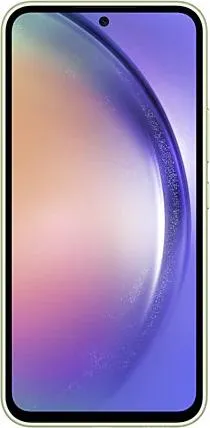
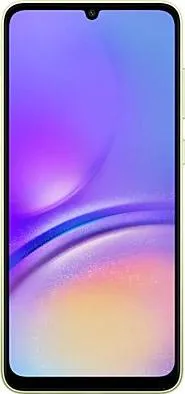
| Feature | Samsung Galaxy A54 | Samsung Galaxy A05 | Practical Impact |
|---|---|---|---|
| Design | |||
| Dimensions (mm) | 158.2 x 76.7 x 8.2 | 168.8 x 78.2 x 8.8 | A54 is more compact and pocketable. A05 is larger, potentially less comfortable for one-handed use. |
| Weight (g) | 202 | 195 | Negligible weight difference in practical use. |
| Build | No information provided for both | No information provided for both | Build quality impacts durability and premium feel; information needed for comparison. |
| Display | |||
| Size (inches) | 6.4 | 6.7 | A05 offers a larger screen for media consumption but may be less manageable. |
| Resolution | 1080 x 2340 | 720 x 1600 | A54's significantly higher resolution (403 ppi vs 262 ppi) results in sharper text, images, and videos. |
| Display Type | Super AMOLED, 120Hz | PLS LCD | A54's AMOLED provides more vibrant colors, deeper blacks, and better power efficiency. 120Hz refresh rate ensures smoother scrolling and animations compared to A05's standard refresh rate. |
| Performance | |||
| Chipset | Exynos 1380 (5 nm) | Mediatek Helio G85 (12 nm) | A54's 5nm chipset offers significantly better performance and power efficiency than the 12nm Helio G85. |
| CPU | Octa-core (4x2.4 GHz & 4x2.0 GHz) | Octa-core (2x2.0 GHz & 6x1.8 GHz) | A54's CPU configuration suggests better multi-core performance for demanding tasks. |
| GPU | Mali-G68 MP5 | Mali-G52 MC2 | A54's GPU provides a noticeable advantage in gaming and graphics-intensive applications. |
| RAM | 8GB | 4GB/6GB | More RAM in the A54 allows for smoother multitasking and better handling of demanding apps. |
| Camera | |||
| Rear Camera | 50MP (Main) + 13MP (Ultrawide) + 5MP (Macro) | 50MP (Main) + 2MP (Depth) | While both have a 50MP main sensor, the A54 offers a more versatile setup with an ultrawide lens. A05 includes a less useful depth sensor. Image quality comparison requires sensor specifics beyond megapixel count. |
| Front Camera | 32MP | 8MP | A54's higher resolution front camera likely produces significantly better selfies. |
| Video Recording | Up to 4K@30fps with EIS | Up to 1080p@60fps | A54 supports higher resolution video recording. |
| Battery | |||
| Capacity | 5000 mAh | 5000 mAh | Similar battery capacities suggest comparable battery life, though real-world usage will depend on other factors like display and chipset efficiency. |
| Fast Charging | 25W | 25W | Both phones offer the same fast charging speed. |
2. Key Differences Analysis
Samsung Galaxy A54 Advantages:
- Superior Display: AMOLED with 120Hz refresh rate provides a dramatically better visual experience.
- Significantly Better Performance: More powerful chipset and GPU for smoother operation and gaming.
- More Versatile Camera System: Ultrawide lens adds flexibility for photography. Higher resolution front camera.
- More Compact Design: Easier to handle and carry.
- NFC for contactless payments
Samsung Galaxy A05 Advantages:
- Lower Price: More budget-friendly option.
- Slightly Larger Display: May be preferred by users who prioritize screen real estate.
3. User Profiles & Recommendations
Samsung Galaxy A54: Users who value performance, a high-quality display, a versatile camera, and modern features like NFC. Suitable for gaming, media consumption, multitasking, and mobile photography.
Samsung Galaxy A05: Budget-conscious users who prioritize basic functionality and a large screen for simple tasks like browsing, social media, and calling. Best for users who don't engage in demanding tasks or mobile gaming.
4. Decision Framework
Key Questions for Buyers:
- What is your budget? The A05 is significantly cheaper.
- What are your primary smartphone usage patterns? Gaming, photography, and multitasking benefit from the A54's superior performance.
- How important is display quality? The A54's AMOLED display is a major advantage.
Scenario-Based Recommendations:
- Limited Budget: A05
- Balanced Needs: A54
- Performance and Premium Features: A54
My Choice: Samsung Galaxy A54
While the A05 offers a larger display and a lower price, the A54 provides a significantly better overall experience due to its superior performance, stunning AMOLED display with 120Hz, more versatile camera system, and NFC capability. The price difference is justified by the substantial improvements in key areas that impact daily usage. The A54 offers a more future-proof device that will remain smooth and responsive for longer. I value a smooth and responsive user experience, a vibrant display, and a capable camera, making the A54 the clear winner for me.
