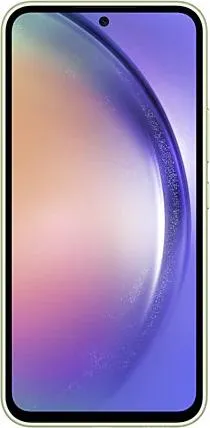
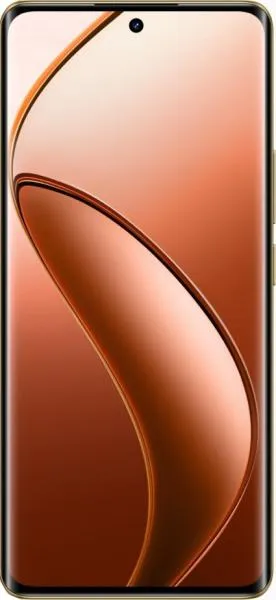
1. Specifications Comparison
| Feature | Samsung Galaxy A54 | Realme 12 Pro+ | Practical Impact |
|---|---|---|---|
| Design | |||
| Dimensions (mm) | 158.2 x 76.7 x 8.2 | 161.5 x 74 x 8.8 | Realme 12 Pro+ is slightly taller and thicker. A54 is slightly wider. Negligible difference in daily use. |
| Weight (g) | 202 | 196 | Realme 12 Pro+ is slightly lighter, but the difference is minimal. |
| Display | |||
| Size (inches) | 6.4 | 6.7 | Realme 12 Pro+ offers a larger screen for more immersive media consumption. |
| Resolution (pixels) | 1080 x 2340 | 1080 x 2412 | Similar pixel density, but Realme's slightly larger display may result in marginally less sharpness. |
| Refresh Rate (Hz) | 120 | 120 | Both offer smooth scrolling and animations. |
| Display Type | Super AMOLED | AMOLED | Samsung's Super AMOLED generally offers better color accuracy and outdoor visibility due to higher peak brightness (unspecified for both but historically true). Realme boasts 1B colors which may lead to smoother color gradients, but real-world impact can be minimal. |
| Performance | |||
| Chipset | Exynos 1380 (5 nm) | Snapdragon 7s Gen 2 (4 nm) | Snapdragon chips often have better GPU performance. Realme likely has a slight edge in gaming and graphics-intensive tasks. Both are mid-range chips suitable for everyday use. |
| CPU | Octa-core (4x2.4 GHz Cortex-A78 & 4x2.0 GHz Cortex-A55) | Octa-core (4x2.40 GHz Cortex-A78 & 4x1.95 GHz Cortex-A55) | Very similar CPU configurations. Performance differences will likely be minor in everyday tasks. |
| RAM (GB) | 8 | 8 | Both offer ample RAM for multitasking. |
| OS | Android 13 | Android 14 | Realme 12 Pro+ ships with a newer Android version, potentially offering newer features and longer software support. |
| Camera | |||
| Main Camera (MP) | 50 | 50 | Both use a 50MP Sony sensor (different models though - IMX766 vs. IMX890), image quality will likely depend more on image processing. Realme uses the newer IMX890 known for good low-light performance. |
| Other Cameras | 13MP Wide, 5MP Macro | 8MP Wide+Macro, 64MP Telephoto | Realme offers a dedicated telephoto lens enabling optical zoom, a significant advantage for photography enthusiasts. |
| Battery | |||
| Capacity (mAh) | 5000 | 5000 | Identical battery capacity. Real-world battery life will depend on software optimization and usage patterns. |
| Fast Charging (W) | 25 | 67 | Realme offers significantly faster charging, minimizing downtime. |
2. Key Differences Analysis
Samsung Galaxy A54 Advantages:
- Potentially Better Display: Super AMOLED typically offers vibrant colors and superior outdoor visibility.
- Established Brand: Samsung's reputation for reliability and customer support might be a factor for some users.
Realme 12 Pro+ Advantages:
- Faster Charging: 67W fast charging significantly reduces charging time.
- Telephoto Lens: Offers optical zoom for versatile photography.
- Newer Android Version: Comes with Android 14, potentially offering longer software updates and new features.
- Slightly Larger Display: Provides a more immersive viewing experience.
3. User Profiles & Recommendations
Samsung Galaxy A54: Suitable for users who prioritize display quality, brand reputation, and overall reliability. Good for everyday tasks, social media, and casual photography.
Realme 12 Pro+: Ideal for users who value fast charging, camera versatility (especially zoom capabilities), and the latest software. A good choice for mobile photography enthusiasts and those who want a larger display.
4. Decision Framework
Key Questions for Buyers:
- How important is camera versatility? If optical zoom is crucial, the Realme 12 Pro+ is the clear winner.
- How much do you value fast charging? Realme's 67W charging is a major advantage if minimizing downtime is a priority.
- What is your budget? While both are mid-range, price differences might exist depending on storage configurations and regional availability.
My Choice: Realme 12 Pro+
While the A54 is a solid phone, the Realme 12 Pro+'s 67W fast charging and dedicated telephoto lens are compelling advantages for me. The faster charging significantly improves my daily workflow, and the telephoto lens adds much-needed versatility to my mobile photography. The newer Android version also suggests potentially longer software support. Although Super AMOLED generally has a slight edge in display quality, the Realme's larger screen size and 1B colors are attractive features that balance the scales. The slightly faster processor in the Realme might provide a smoother gaming experience, but both are sufficient for daily tasks. Overall, the Realme 12 Pro+ offers a more compelling package for my needs and preferences.
