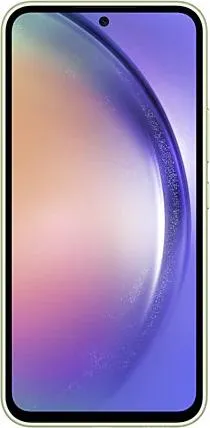

1. Specifications Comparison
| Feature | Samsung Galaxy A54 | Oppo Reno12 | Practical Impact |
|---|---|---|---|
| Design | |||
| Dimensions (mm) | 158.2 x 76.7 x 8.2 | 161.4 x 74.1 x 7.6 | Reno12 is slightly taller and narrower, but thinner. Negligible difference in daily use. |
| Weight (g) | 202 | 177 | Reno12 is noticeably lighter, improving one-handed use and reducing pocket bulk. |
| Display | |||
| Size (inches) | 6.4 | 6.7 | Reno12 offers a larger screen for more immersive media consumption and multitasking. |
| Resolution (pixels) | 1080 x 2340 | 1080 x 2412 | Similar pixel density due to the size difference; both offer sharp visuals. |
| Refresh Rate (Hz) | 120 | 120 | Both offer smooth scrolling and animations. |
| Display Type | Super AMOLED | AMOLED | Both offer vibrant colors and deep blacks. A54's Super AMOLED might offer slightly better power efficiency and outdoor visibility. Reno12 boasts a higher peak brightness (1200 nits vs 1000 nits on A54) for better visibility in direct sunlight. |
| Performance | |||
| Chipset | Exynos 1380 (5 nm) | Mediatek Dimensity 7300 Energy (4 nm) | Both are mid-range chipsets, but Dimensity 7300, being newer and built on a smaller process node, likely offers better performance and power efficiency. |
| CPU | Octa-core (4x2.4 GHz Cortex-A78 & 4x2.0 GHz Cortex-A55) | Octa-core (4x2.5 GHz Cortex-A78 & 4x2.0 GHz Cortex-A55) | Reno12 has slightly faster clock speeds on its performance cores, potentially resulting in quicker app launches and smoother multitasking. |
| RAM (GB) | 8 | 12 | Reno12's significantly larger RAM enables superior multitasking and reduces app reloading. |
| Camera | |||
| Main Camera (MP) | 50 | 50 | Both have 50MP main sensors; image quality will depend more on processing and sensor specifics. Reno12 uses a newer Sony sensor (LYT-600) compared to the IMX766 on the A54. Difference in image quality needs real world comparison. |
| Video Recording | 4K@30fps | 4K@30fps | Both record 4K video; Reno12 offers more advanced slow-motion capabilities up to 960fps at 720p. |
| Battery | |||
| Capacity (mAh) | 5000 | 5000 | Similar battery capacity; real-world battery life will depend on software optimization and usage patterns. |
| Fast Charging (W) | 25 | 80 | Reno12 offers significantly faster charging, minimizing downtime. |
2. Key Differences Analysis
Samsung Galaxy A54 Advantages:
- Potentially Better Display: Super AMOLED may offer slightly better power efficiency and sunlight visibility. DxOMark score available (107) suggesting a good overall camera performance.
- More Affordable: Generally available at a lower price point for similar storage configurations.
Oppo Reno12 Advantages:
- Lighter and Thinner Design: More comfortable for one-handed use.
- More Powerful Performance: Dimensity 7300 and larger RAM provide a smoother user experience, especially for demanding tasks.
- Significantly Faster Charging: 80W fast charging significantly reduces charging time.
- More Advanced Slow-motion Video: Offers higher frame rates for slow-motion capture.
- Brighter Display: Peak brightness of 1400 nits ensures excellent outdoor visibility.
3. User Profiles & Recommendations
Samsung Galaxy A54:
- Budget-conscious users: Prioritize affordability without sacrificing essential features.
- Casual users: Primarily use their phone for basic tasks like calling, texting, social media, and light gaming.
Oppo Reno12:
- Power users: Demand smooth performance for multitasking, gaming, and demanding applications.
- Content creators: Utilize the camera extensively for photos and videos, especially slow-motion footage.
- Users who value fast charging: Minimize downtime with quick charging capabilities.
4. Decision Framework
Key Questions for Buyers:
- What is your budget? The A54 offers better value for money if price is a major concern.
- What are your primary phone usage patterns? For demanding tasks and content creation, the Reno12's superior performance and camera features are beneficial.
- How important is fast charging? Reno12's 80W charging is a significant advantage if minimizing charging time is a priority.
My Choice: Oppo Reno12
While the Samsung Galaxy A54 is a solid mid-range phone, the Oppo Reno12 offers a more compelling package overall. The significantly faster performance, quicker charging, larger RAM, brighter display, and lighter design outweigh the price difference for me. The slightly larger screen is also a plus for media consumption. While I acknowledge the lack of DxOMark score for the Reno12's camera, the hardware specifications suggest it can be potentially better than the A54's. As a power user who values a smooth and efficient smartphone experience, the Reno12 aligns better with my needs.
