1. Specifications Comparison
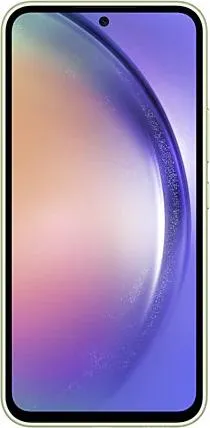
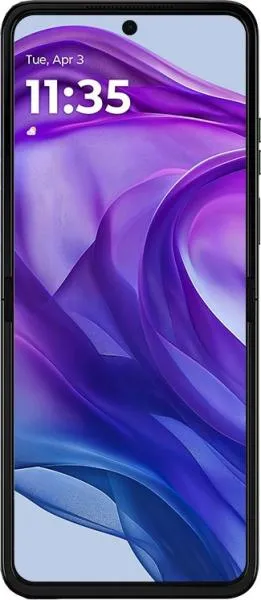
| Feature | Samsung Galaxy A54 | Motorola Razr 50 Ultra | Practical Impact |
|---|---|---|---|
| Design | |||
| Dimensions (mm) | 158.2 x 76.7 x 8.2 | 171.4 x 74 x 7.1 | Razr 50 Ultra is taller and narrower when unfolded, significantly more compact when folded. A54 is thicker. Razr's foldability offers portability advantage. |
| Weight (g) | 202 | 189 | Razr 50 Ultra is slightly lighter despite larger display, likely due to thinner build. Negligible difference in daily use. |
| Foldable | No | Yes | Razr's foldable design offers unique portability and a smaller footprint when closed. |
| Display | |||
| Display Size (inches) | 6.4 | 6.9 | Razr 50 Ultra offers a larger screen for media consumption and multitasking. |
| Resolution (px) | 1080 x 2340 | 1080 x 2640 | Razr has slightly higher resolution and taller aspect ratio, resulting in a more immersive experience. |
| Display Type | Super AMOLED, 120Hz | Foldable LTPO AMOLED, 165Hz | Both are AMOLED with high refresh rates, ensuring smooth visuals. Razr's LTPO panel allows for variable refresh rate, potentially saving battery. 165Hz on the Razr will be smoother but might not be noticeable for all users. Razr's foldable display is a key differentiator, enabling new form factors and use cases. |
| Peak Brightness (nits) | 1000 (HBM) | 3000 | Razr 50 Ultra has significantly higher peak brightness, ensuring better visibility in direct sunlight. A54's HBM indicates high brightness mode, but specific peak brightness is missing. |
| Performance | |||
| Chipset | Exynos 1380 (5 nm) | Snapdragon 8s Gen 3 (4 nm) | Snapdragon 8s Gen 3 is generally more powerful, offering better performance in demanding tasks and gaming. |
| CPU | Octa-core (4x2.4 GHz Cortex-A78 & 4x2.0 GHz Cortex-A55) | Octa-core (1x3.0 GHz Cortex-X4 & 4x2.8 GHz Cortex-A720 & 3x2.0 GHz Cortex-A520) | Razr 50 Ultra's CPU architecture is more modern and powerful, resulting in faster processing speeds. |
| RAM (GB) | 8 | 12 | Razr 50 Ultra has more RAM, enabling better multitasking and smoother performance with multiple apps. |
| Camera | |||
| Main Camera (MP) | 50 | 50 | Similar megapixel count; however, sensor size and other factors impact image quality, which cannot be fully assessed without further sensor details. |
| Other Cameras | 13MP Wide, 5MP Macro, 32MP Selfie | 50MP Telephoto, 32MP Selfie | Razr 50 Ultra lacks a dedicated macro lens but offers a 50MP telephoto lens for better zoom capabilities. |
| Battery | |||
| Capacity (mAh) | 5000 | 4000 | A54 has significantly larger battery capacity, potentially leading to longer battery life. |
| Fast Charging (W) | 25 | 45 | Razr 50 Ultra supports much faster charging, minimizing downtime. |
2. Key Differences Analysis
Samsung Galaxy A54 Advantages:
- Longer Battery Life: Larger 5000mAh battery.
- Lower Price: Typically more affordable.
Motorola Razr 50 Ultra Advantages:
- Foldable Design: Unique portability and form factor.
- More Powerful Performance: Snapdragon 8s Gen 3, 12GB RAM.
- Faster Charging: 45W fast charging.
- Brighter Display: 3000 nits peak brightness.
- Telephoto lens: Offers better zoom capabilities than a macro lens.
3. User Profiles & Recommendations
Samsung Galaxy A54: Users prioritizing battery life, affordability, and a traditional smartphone experience. Suitable for everyday tasks, media consumption, and casual gaming.
Motorola Razr 50 Ultra: Users valuing portability, innovation, a larger display when needed, and top-tier performance. Ideal for users who want a pocketable device that unfolds into a larger screen, and those who prioritize performance for demanding tasks and gaming.
4. Decision Framework
Key Questions:
- Is foldability a priority? Razr's unique form factor is its defining feature.
- What is your budget? A54 generally offers better value for its price.
- Which features are most important? (Battery life, performance, camera, portability).
Scenario-Based Recommendations:
- Limited Budget, Prioritize Battery: A54.
- Value Innovation and Portability: Razr 50 Ultra.
- Heavy Multitasker, Gamer: Razr 50 Ultra.
My Choice: Motorola Razr 50 Ultra
While the Samsung Galaxy A54 is a solid phone with great battery life, the Motorola Razr 50 Ultra's foldable design and superior performance are compelling. I prioritize portability and having a larger screen available when needed. The faster charging compensates for the smaller battery capacity. The performance difference between the Snapdragon 8s Gen 3 and the Exynos 1380 is significant enough for me to choose the Razr, especially for future-proofing. While the price premium exists, the innovative form factor and performance gains justify the cost for my needs. The telephoto lens is more valuable to me than a macro lens. Ultimately, the Razr 50 Ultra offers a more unique and powerful user experience.
