1. Specifications Comparison
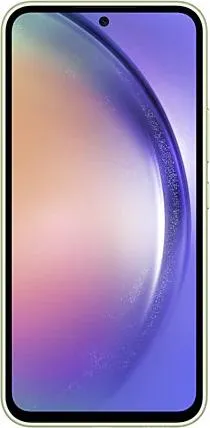
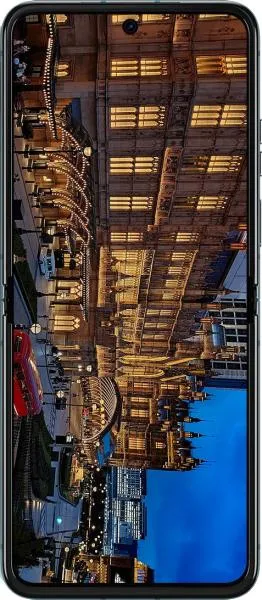
| Feature | Samsung Galaxy A54 | Motorola Razr 40 | Practical Impact |
|---|---|---|---|
| Design | |||
| Dimensions (mm) | 158.2 x 76.7 x 8.2 | 170.8 x 74 x 7.4 | Razr 40 is taller and narrower when unfolded, significantly more compact when folded. A54 is slightly thicker. |
| Weight (g) | 202 | 188.6 | Razr 40 is noticeably lighter. |
| Foldable | No | Yes | Razr 40 offers portability and a unique form factor, but introduces potential durability concerns. |
| Display | |||
| Size (inches) | 6.4 | 6.9 | Razr 40 has a larger main screen, providing more immersive content consumption. |
| Resolution (px) | 1080 x 2340 | 1080 x 2640 | Razr 40's slightly taller aspect ratio offers more vertical screen real estate. |
| Type | Super AMOLED, 120Hz | Foldable LTPO AMOLED, 144Hz | Razr 40's higher refresh rate (144Hz) could result in smoother animations and scrolling, but may consume more battery. LTPO allows for dynamic refresh rate adjustment to save power. The folding display technology may impact durability and crease visibility. |
| Performance | |||
| Chipset | Exynos 1380 (5 nm) | Snapdragon 7 Gen 1 (4 nm) | Snapdragon 7 Gen 1 generally offers better performance and efficiency than Exynos 1380. |
| CPU | Octa-core (4x2.4 GHz Cortex-A78 & 4x2.0 GHz Cortex-A55) | Octa-core (1x2.4 GHz Cortex-A710 & 3x2.36 GHz Cortex-A710 & 4x1.8 GHz Cortex-A510) | Snapdragon 7 Gen 1's more modern CPU architecture should deliver superior performance in demanding tasks and multitasking. |
| GPU | Mali-G68 MP5 | Adreno 644 | Adreno 644 generally provides better gaming performance than Mali-G68 MP5. |
| RAM (GB) | 8 | 8 | Both phones offer ample RAM for smooth multitasking. |
| Camera | |||
| Main Camera (MP) | 50 | 64 | Razr 40 has a higher resolution main sensor, but megapixels alone don't guarantee image quality. Sensor size and processing are crucial. Information about the Razr's sensor is missing, limiting a comprehensive comparison. |
| Selfie Camera (MP) | 32 | 32 | Comparable selfie camera resolution. |
| Battery | |||
| Capacity (mAh) | 5000 | 4200 | A54 offers significantly longer battery life due to larger capacity. |
| Fast Charging (W) | 25 | 33 | Razr 40 supports faster charging, minimizing downtime. |
2. Key Differences Analysis
Samsung Galaxy A54 Advantages:
- Significantly longer battery life: The 5000mAh battery will easily last a full day even with heavy use.
- Potentially more durable: Traditional slab design without moving parts.
- More affordable: Typically priced lower than the Razr 40.
Motorola Razr 40 Advantages:
- Compact and pocketable: The folding design provides a significantly smaller footprint when closed.
- More powerful processor: Snapdragon 7 Gen 1 offers better performance for demanding tasks and gaming.
- Higher refresh rate display: Smoother scrolling and animations, potentially enhanced gaming experience.
3. User Profiles & Recommendations
Samsung Galaxy A54: Ideal for users who prioritize battery life, durability, and affordability. Excellent for everyday use, social media, web browsing, and light gaming.
Motorola Razr 40: Ideal for users who value portability and a unique, stylish design. Suitable for those who want a powerful phone in a compact form factor and are willing to compromise on battery life. Early adopters of technology may appreciate the novelty.
4. Decision Framework
Key Questions for Buyers:
- How important is battery life? If all-day battery is crucial, the A54 is the clear winner.
- Do you prioritize portability and a unique design? If pocketability and style are paramount, the Razr 40 is more appealing.
- What is your budget? The A54 generally offers better value for its price.
My Choice: Samsung Galaxy A54
While the Motorola Razr 40 offers a compelling folding design and a more powerful processor, the significantly larger battery of the Samsung Galaxy A54 and its lower price point make it a more practical choice for me. I prioritize all-day battery life and value a robust, durable device. The performance difference between the two chipsets is unlikely to be noticeable in my typical usage, which involves web browsing, social media, communication, and occasional light gaming. The A54 strikes a better balance between features, performance, and price. The folding screen technology of the Razr 40, while exciting, introduces potential durability concerns and comes at the cost of battery capacity, both of which are significant factors for me.
