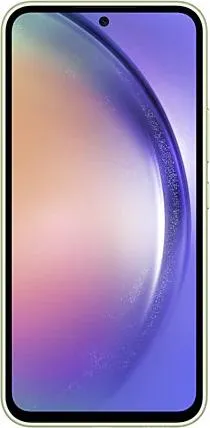

1. Specifications Comparison
| Feature | Samsung Galaxy A54 | Motorola Moto G85 | Practical Impact |
|---|---|---|---|
| Design | |||
| Dimensions (mm) | 158.2 x 76.7 x 8.2 | 161.9 x 73.1 x 7.6 | Moto G85 is slightly larger and narrower. A54 is slightly thinner. Impact on one-handed usability depends on individual hand size. |
| Weight (g) | 202 | 171 | Moto G85 is noticeably lighter, improving comfort during extended use. |
| Display | |||
| Type | Super AMOLED | P-OLED | Both offer vibrant colors and deep blacks. AMOLED generally has better outdoor visibility. P-OLED might be slightly more power-efficient. |
| Size (inches) | 6.4 | 6.67 | Moto G85 offers a larger screen for more immersive media consumption. |
| Resolution (px) | 1080 x 2340 | 1080 x 2400 | Similar pixel density, but Moto G85's slightly taller aspect ratio might offer better web browsing experience. |
| Refresh Rate (Hz) | 120 | 120 | Both offer smooth scrolling and animations. |
| Peak Brightness (nits) | 1000 (HBM) | 1600 | Moto G85's significantly higher peak brightness ensures better visibility in direct sunlight. |
| Performance | |||
| Chipset | Exynos 1380 (5nm) | Snapdragon 6s Gen 3 (6nm) | Both are mid-range chipsets. Snapdragon 6s Gen 3 is newer, potentially offering better efficiency. Real-world performance differences may be subtle. |
| CPU | Octa-core (4x2.4 GHz Cortex-A78 & 4x2.0 GHz Cortex-A55) | Octa-core (2x2.3 GHz Cortex-A78 & 6x2.0 GHz Cortex-A55) | Both offer similar core configurations, though Exynos 1380 has faster performance cores. Benchmarking would be needed to determine noticeable differences. |
| RAM (GB) | 8 | 12 | Moto G85's larger RAM enables better multitasking and smoother performance with demanding apps. |
| Camera | |||
| Main Camera (MP) | 50 | 50 | Both have 50MP main cameras. Sensor models differ (Sony IMX766 vs Sony LYT-600). Image quality comparison requires real-world testing and sample images. |
| Video Recording | 4K@30fps | 1080p@60fps | A54 offers higher resolution video recording, but Moto G85 provides smoother 60fps at 1080p. |
| DXOMARK Score | 107 | 88 | A54 scores significantly higher in DXOMARK indicating potentially better overall camera quality. However, real-world results can vary. |
| Battery | |||
| Capacity (mAh) | 5000 | 5000 | Both have large batteries promising all-day battery life. |
| Fast Charging (W) | 25 | 30 | Moto G85 supports slightly faster charging. |
2. Key Differences Analysis
Samsung Galaxy A54 Advantages:
- Potentially Better Camera: Higher DXOMARK score and 4K video recording suggest superior image and video quality.
- Brighter Display in HDR Content: While peak brightness is lower overall, AMOLED's HDR capabilities could result in a better viewing experience with HDR content.
Motorola Moto G85 Advantages:
- Larger Display: Offers a more immersive experience for media consumption.
- Higher Peak Brightness: Ensures better visibility outdoors.
- Larger RAM: Provides smoother multitasking and better performance with demanding applications.
- Faster Charging: Reduces downtime.
- Lighter Weight: More comfortable for extended use.
Trade-offs:
- Moto G85's lower DXOMARK score might indicate inferior camera performance compared to the A54.
- A54's smaller RAM could lead to performance limitations with heavy multitasking.
3. User Profiles & Recommendations
Samsung Galaxy A54: Suitable for users prioritizing camera quality and a compact form factor. Ideal for:
- Photography enthusiasts
- Social media content creators
Motorola Moto G85: Suitable for users prioritizing a large display, smooth performance, and all-day battery life with faster charging. Ideal for:
- Media consumers (movies, games)
- Heavy multitaskers
4. Decision Framework
Key Questions for Buyers:
- Is camera quality your top priority?
- Do you prefer a larger display or a more compact phone?
- What is your budget and how important is the price-to-performance ratio?
My Choice: Motorola Moto G85
While the Samsung Galaxy A54 boasts a potentially superior camera based on DXOMARK scores, the Motorola Moto G85 offers a compelling combination of features that better suit my personal needs. The larger, brighter display is crucial for media consumption and productivity. The significantly larger RAM (12GB vs 8GB) will ensure smooth performance even with demanding tasks and heavy multitasking, something that's essential for my workflow. The faster charging and lighter weight are significant bonuses for daily usability. While I value good camera quality, the Moto G85's camera is likely sufficient for my everyday needs. The slightly lower price for the higher memory configuration makes the Moto G85 a better value proposition for me.
