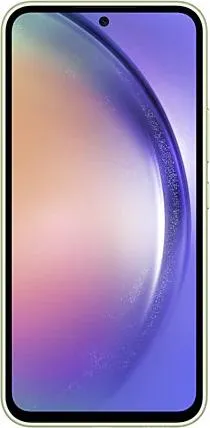
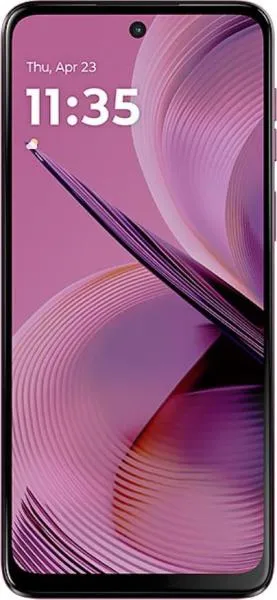
1. Specifications Comparison
| Feature | Samsung Galaxy A54 | Motorola Moto G55 | Practical Impact |
|---|---|---|---|
| Design | |||
| Dimensions (mm) | 158.2 x 76.7 x 8.2 | 161.6 x 73.8 x 8.1 | A54 slightly shorter and narrower, both nearly same thickness. Negligible difference in hand feel. |
| Weight (g) | 202 | 179 | G55 noticeably lighter, reducing hand fatigue during extended use. |
| Fingerprint Sensor | Under display | Side-mounted | Preference-based. Under-display feels modern, side-mounted potentially faster to access. |
| Display | |||
| Display Type | Super AMOLED, 120Hz | IPS LCD, 120Hz | A54 offers more vibrant colors, deeper blacks, and better power efficiency due to AMOLED technology. Both have smooth scrolling thanks to 120Hz. |
| Size (inches) | 6.4 | 6.49 | Negligible difference in screen real estate. |
| Resolution (px) | 1080 x 2340 | 1080 x 2400 | Virtually identical pixel density, resulting in similar sharpness. |
| HDR | HDR10+ | No HDR | A54 provides a wider dynamic range with HDR10+ for compatible content, resulting in better visuals in supported videos and games. |
| Performance | |||
| Chipset | Exynos 1380 (5nm) | Mediatek Dimensity 7025 (6nm) | Exynos 1380 likely offers slightly better performance and efficiency due to the smaller manufacturing process, but real-world difference might be minimal. |
| CPU | Octa-core (4x2.4 GHz A78 & 4x2.0 GHz A55) | Octa-core (2x2.5 GHz A78 & 6x2.0 GHz A55) | G55 has slightly faster peak CPU speed, but overall performance depends on optimization and practical usage. |
| GPU | Mali-G68 MP5 | IMG BXM-8-256 | Mali-G68 MP5 generally considered more powerful, offering potentially smoother gaming and faster graphics rendering. |
| RAM | 8GB | 8GB | Same RAM capacity ensures smooth multitasking on both devices. |
| Camera | |||
| Main Camera | 50MP, Sony IMX766, f/1.8, OIS | 50MP, f/1.8, OIS | A54 benefits from a known high-quality sensor (IMX766), likely resulting in better image quality, especially in low light. |
| Ultrawide | 13MP, f/2.2 | 8MP, f/2.2 | A54's ultrawide offers higher resolution for more detailed shots. |
| Video Recording | 4K@30fps with EIS | 1080p@60fps | A54 can record at higher resolution (4K), while G55 offers smoother 60fps at 1080p. User needs dictate which is more important. |
| Battery | |||
| Capacity | 5000 mAh | 5000 mAh | Identical battery capacity suggesting similar battery life. Real-world usage will vary. |
| Fast Charging | 25W | 30W | G55 charges slightly faster. |
2. Key Differences Analysis
Samsung Galaxy A54 Advantages:
- Superior Display: AMOLED provides richer colors and deeper blacks. HDR10+ enhances video quality.
- Potentially Better Camera: Known high-quality main sensor (Sony IMX766) and higher resolution ultrawide.
- Slightly More Powerful GPU: Potentially better gaming and graphics performance.
Motorola Moto G55 Advantages:
- Lighter Weight: Noticeably less hand fatigue.
- Faster Charging: 30W fast charging tops up the battery quicker.
- Potentially Lower Price: Depending on specific deals, the G55 might offer better value. (Price comparison not possible with provided data.)
Trade-offs:
- A54: Slightly heavier, slower charging.
- G55: LCD screen less vibrant, lower resolution ultrawide, potentially less powerful GPU.
3. User Profiles & Recommendations
Samsung Galaxy A54: Users prioritizing display quality, camera performance, and smooth gaming experience. Suited for content consumption, mobile photography, and moderate gaming.
Motorola Moto G55: Users seeking a lightweight, affordable phone with fast charging. Best for general use, social media, and light gaming. Suitable for budget-conscious buyers.
4. Decision Framework
Key Questions for Buyers:
- Is display quality a top priority? If yes, the A54's AMOLED with HDR10+ is the clear winner.
- How important is camera performance? If capturing high-quality photos and videos is crucial, the A54's likely superior camera system is a significant factor.
- What's your budget? If price sensitivity is high, carefully compare current prices as the G55 might offer better value.
My Choice: Samsung Galaxy A54
Reasons:
While the Motorola Moto G55 offers advantages like lighter weight and faster charging, the Samsung Galaxy A54's superior display and likely better camera system are more important factors for me. The AMOLED screen with HDR10+ offers a significantly better visual experience for media consumption, and the known high-quality Sony IMX766 sensor in the A54 suggests better image quality, especially in challenging lighting conditions. While benchmarks are not available for direct GPU comparison, the Mali-G68 MP5 generally offers better performance than the IMG BXM-8-256, making the A54 more appealing for future-proofing and potential gaming usage. The slight difference in weight and charging speed is a trade-off I'm willing to make for these advantages.
