1. Specifications Comparison
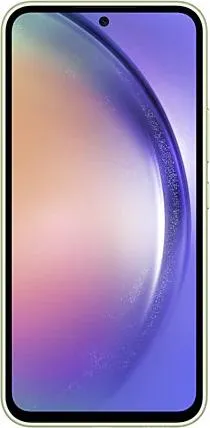
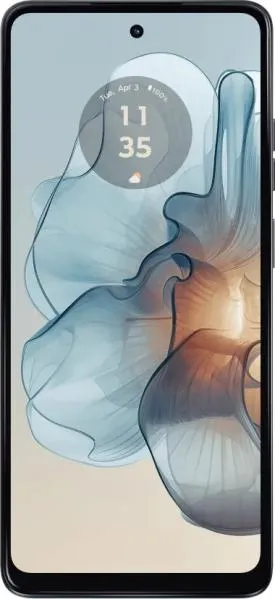
| Feature | Samsung Galaxy A54 | Motorola Moto G24 Power | Practical Impact |
|---|---|---|---|
| Design | |||
| Dimensions (mm) | 158.2 x 76.7 x 8.2 | 163.5 x 74.5 x 9 | A54 is slightly smaller and thinner. G24 Power might feel bulkier. |
| Weight (g) | 202 | 197 | Negligible weight difference in real-world usage. |
| Build Material | Not specified | Not specified | Durability and premium feel cannot be assessed. |
| Display | |||
| Display Type | Super AMOLED | IPS LCD | A54 offers deeper blacks, more vibrant colors, and better power efficiency. G24 Power's LCD might appear washed out in comparison. |
| Display Size (inches) | 6.4 | 6.56 | G24 Power has a slightly larger screen, offering more viewing area. |
| Resolution | 1080 x 2340 | 720 x 1612 | A54 has a significantly sharper display (403 ppi vs 269 ppi), resulting in clearer text and images. |
| Refresh Rate (Hz) | 120 | 90 | A54's 120Hz display will provide smoother scrolling and animations. |
| Performance | |||
| Chipset | Exynos 1380 (5nm) | Mediatek Helio G85 (12nm) | A54's 5nm chipset offers significantly better performance and power efficiency compared to the 12nm Helio G85. Expect smoother multitasking and gaming on the A54. |
| CPU | Octa-core (4x2.4 GHz A78 & 4x2.0 GHz A55) | Octa-core (2x2.0 GHz A75 & 6x1.7 GHz A55) | A54 has a more powerful CPU architecture, leading to faster processing speeds. |
| GPU | Mali-G68 MP5 | Mali-G52 MC2 | A54 has a more powerful GPU, delivering better gaming and graphics performance. |
| RAM (GB) | 8 | 8 | Both phones have the same amount of RAM, which should be sufficient for most tasks. |
| Camera | |||
| Main Camera (MP) | 50 (Sony IMX766) | 50 | A54 utilizes a known high-quality sensor (Sony IMX766), likely resulting in better image quality. Sensor details lacking for the G24 Power. |
| Ultrawide (MP) | 13 | 2 | A54 offers a much wider and more usable ultrawide camera. |
| Video Recording | 4K@30fps with EIS | 1080p@30fps | A54 can record higher resolution videos with electronic image stabilization. |
| Battery | |||
| Capacity (mAh) | 5000 | 6000 | G24 Power has a larger battery capacity, potentially offering longer battery life. |
| Fast Charging | 25W | 33W | G24 Power offers faster charging speeds despite having a larger battery. |
2. Key Differences Analysis
Samsung Galaxy A54 Advantages:
- Superior Display: AMOLED technology with higher resolution, refresh rate, and brightness provides a much better visual experience.
- Significantly Better Performance: The Exynos 1380 chipset offers a noticeable performance advantage for demanding tasks and gaming.
- Higher Quality Camera System: The use of a known high-quality sensor (Sony IMX766) and a more capable ultrawide lens suggest superior image quality.
Motorola Moto G24 Power Advantages:
- Larger Battery: 6000mAh battery capacity could translate to significantly longer usage time between charges.
- Faster Charging: 33W fast charging will top up the battery quicker than the A54's 25W charging.
- Lower Price: Positioned in the "low price" range, the G24 Power offers greater affordability.
3. User Profiles & Recommendations
Samsung Galaxy A54: Users who prioritize display quality, performance, and camera capabilities. Suitable for gaming, content consumption, and photography enthusiasts.
Motorola Moto G24 Power: Users who prioritize long battery life and affordability above all else. Ideal for users with basic usage patterns and limited access to charging.
4. Decision Framework
Key Questions for Buyers:
- What is your budget? The A54 is a "medium price" phone while the G24 Power is "low price".
- What are your primary smartphone usage patterns? Heavy users requiring performance and a good display should lean towards the A54. Light users prioritizing battery life might prefer the G24 Power.
- How important is display and camera quality to you? The A54 significantly outperforms the G24 Power in these areas.
My Choice: Samsung Galaxy A54
While the Motorola Moto G24 Power boasts a larger battery and faster charging, the Samsung Galaxy A54 offers a significantly better overall user experience. The superior display, performance, and camera system of the A54 are crucial factors for me. I prioritize a smooth and enjoyable user experience, vibrant visuals, and the ability to capture high-quality photos and videos. The A54's performance advantage ensures that the phone can handle demanding tasks and remain responsive over time. While battery life is important, the performance and feature gap between the two phones is substantial enough to justify the price difference for my needs. The faster charging on the G24 Power might save some minutes, but the overall superior experience on the A54 would be more valuable to me on a daily basis.
