1. Specifications Comparison
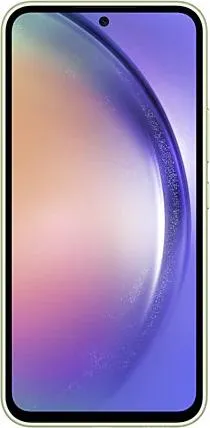
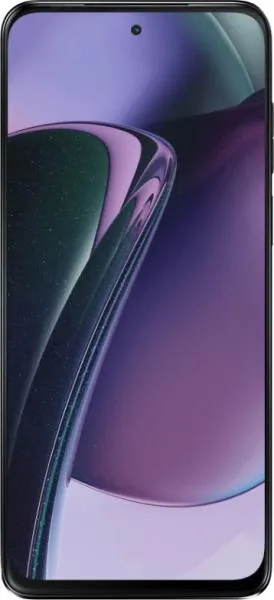
| Feature | Samsung Galaxy A54 | Motorola Moto G Stylus 5G (2023) | Practical Impact |
|---|---|---|---|
| Design | |||
| Dimensions (mm) | 158.2 x 76.7 x 8.2 | 162.8 x 73.8 x 9.2 | A54 is slightly smaller and thinner. Moto G Stylus is taller and thicker due to integrated stylus. |
| Weight (g) | 202 | 202 | Same weight, but distribution might differ due to stylus in Moto G. |
| Build | Not specified | Not specified | Build quality impact on durability is unknown. |
| Display | |||
| Display Type | Super AMOLED | IPS LCD | A54 offers more vibrant colors, deeper blacks, and potentially better power efficiency. Moto G Stylus might have better outdoor visibility. |
| Display Size (inches) | 6.4 | 6.6 | Moto G Stylus offers a slightly larger screen for media consumption. |
| Resolution (pixels) | 1080 x 2340 | 1080 x 2400 | Similar sharpness due to close PPI density. Moto G Stylus slightly taller aspect ratio. |
| Refresh Rate (Hz) | 120 | 120 | Both offer smooth scrolling and animations. |
| Performance | |||
| Chipset | Exynos 1380 (5 nm) | Snapdragon 6 Gen 1 (4 nm) | Both are mid-range chipsets, performance differences likely negligible for average users. Snapdragon 6 Gen 1 generally considered slightly more powerful. |
| CPU | Octa-core (4x2.4 GHz Cortex-A78 & 4x2.0 GHz Cortex-A55) | Octa-core (4x2.2 GHz Cortex-A78 & 4x1.8 GHz Cortex-A55) | Minor clock speed differences, real-world performance depends on optimization. |
| GPU | Mali-G68 MP5 | Adreno 710 | Adreno 710 generally delivers better gaming performance. |
| RAM (GB) | 8 | 6/8 (Variant dependent) | 8GB RAM provides smoother multitasking. Need to specify RAM for Moto G for accurate comparison. |
| Storage (GB) | 128/256 | 128/256 (Variant dependent) | Both offer ample storage options. |
| Camera | |||
| Main Camera (MP) | 50 | 50 | Megapixel count similar, image quality depends on sensor and processing. A54 specifies Sony IMX766 sensor, known for good performance. Moto G Stylus uses OmniVision OV50A, performance details limited. |
| Ultrawide (MP) | 13 | 8 | A54 offers higher resolution ultrawide camera. |
| Macro (MP) | 5 | Combined with ultrawide | Dedicated macro lens on A54 might offer slightly better close-up shots. |
| Selfie (MP) | 32 | 16 | A54 boasts a significantly higher resolution selfie camera. |
| Battery | |||
| Capacity (mAh) | 5000 | 5000 | Similar battery capacity, actual battery life depends on software and hardware efficiency. |
| Fast Charging (W) | 25 | 20 | A54 offers slightly faster charging. |
2. Key Differences Analysis
Samsung Galaxy A54 Advantages:
- Superior Display: AMOLED technology offers better colors, contrast, and power efficiency.
- Better Camera System: Higher resolution ultrawide and selfie cameras, potentially better main sensor due to Sony IMX766. Dedicated macro lens.
- Slightly Faster Charging: 25W vs 20W.
Motorola Moto G Stylus 5G (2023) Advantages:
- Integrated Stylus: Offers unique note-taking and drawing capabilities.
- Slightly Larger Display: Better for media consumption.
- Potentially Better Gaming Performance: Adreno 710 GPU generally favored.
3. User Profiles & Recommendations
Samsung Galaxy A54: Users who prioritize display quality, camera performance, and a compact design. Suitable for social media enthusiasts, photographers, and general users.
Motorola Moto G Stylus 5G (2023): Users who need a stylus for note-taking, sketching, or precise screen interaction. Students, artists, and professionals who frequently take handwritten notes would benefit.
4. Decision Framework
Key Questions for Buyers:
- Is a stylus important to you? If yes, Moto G Stylus is the clear choice.
- Do you prioritize display quality and camera performance? If yes, the A54's AMOLED screen and superior camera setup are compelling.
- What is your budget and which variant offers the best value? Consider RAM and storage options within your budget.
My Choice: Samsung Galaxy A54
While the integrated stylus of the Moto G Stylus 5G is a unique feature, I prioritize the superior display and camera capabilities of the Samsung Galaxy A54. The AMOLED screen's vibrant colors and deeper blacks provide a more enjoyable viewing experience, and the higher resolution cameras, especially the ultrawide and selfie lenses, are important to me. The slightly faster charging is a bonus. Although the Moto G Stylus might offer slightly better gaming performance, it's not a primary concern for me. The A54's overall package, combining a premium display, excellent camera system, and sleek design, makes it the more appealing choice for my needs.
