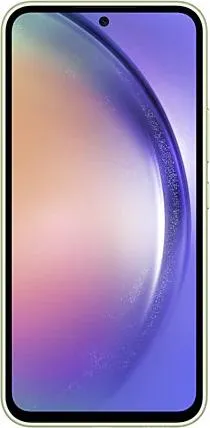

1. Specifications Comparison
| Feature | Samsung Galaxy A54 | Motorola Edge 50 Neo | Practical Impact |
|---|---|---|---|
| Design | |||
| Dimensions (mm) | 158.2 x 76.7 x 8.2 | 154.1 x 71.2 x 8.1 | Edge 50 Neo is slightly smaller and more compact. |
| Weight (g) | 202 | 171 | Edge 50 Neo is noticeably lighter, improving one-handed use. |
| Display | |||
| Display Type | Super AMOLED | LTPO P-OLED | Both offer excellent color and contrast, but P-OLED generally consumes less power, especially with variable refresh rates. |
| Display Size (inches) | 6.4 | 6.4 | Same screen size. |
| Resolution | 1080 x 2340 | 1256 x 2760 | Edge 50 Neo has a sharper display due to higher resolution. |
| Refresh Rate (Hz) | 120 | 120 | Both offer smooth scrolling and animations. Edge 50 Neo's LTPO panel allows for more granular refresh rate control for power saving. |
| Peak Brightness (nits) | 1000 (HBM) | 3000 (peak) | Edge 50 Neo should be significantly brighter outdoors. A54's HBM indicates high brightness mode, but typical brightness is likely lower. |
| Performance | |||
| Chipset | Exynos 1380 (5 nm) | Mediatek Dimensity 7300 (4 nm) | Both are mid-range chipsets. Dimensity 7300, being newer and built on a smaller process, likely offers better performance and efficiency. |
| CPU | Octa-core (4x2.4 GHz Cortex-A78 & 4x2.0 GHz Cortex-A55) | Octa-core (4x2.5 GHz Cortex-A78 & 4x2.0 GHz Cortex-A55) | Edge 50 Neo has a slightly faster CPU clock speed, potentially leading to quicker app loading and multitasking. |
| GPU | Mali-G68 MP5 | Mali-G615 MC2 | Mali-G68 MP5 generally offers better graphics performance. |
| RAM | 8GB | 8/12GB | Edge 50 Neo offers a 12GB RAM option, enabling better multitasking and smoother performance with demanding applications. |
| OS | Android 13 | Android 14 | Edge 50 Neo ships with a newer Android version and is likely to receive longer software updates. |
| Camera | |||
| Main Camera (MP) | 50 | 50 | Similar resolution, but sensor quality can differ (Sony IMX766 on A54 vs. Sony LYT-700C on Edge 50 Neo). |
| Ultrawide (MP) | 13 | 13 | Similar resolution. |
| Other Lenses | Macro | Telephoto & Macro | Edge 50 Neo offers optical zoom with the telephoto lens, which is superior to digital zoom. |
| DxOMark Score | 107 | 115 | Edge 50 Neo scores higher overall on DxOMark, suggesting better overall camera quality. |
| Battery | |||
| Capacity (mAh) | 5000 | 4310 | A54 has a larger battery capacity, potentially leading to longer battery life. |
| Fast Charging (W) | 25 | 68 | Edge 50 Neo supports significantly faster charging. |
2. Key Differences Analysis
Samsung Galaxy A54 Advantages:
- Larger Battery: Potentially longer battery life.
- Potentially Better GPU: Smoother gaming experience.
Motorola Edge 50 Neo Advantages:
- Sharper Display: More detailed visuals.
- Faster Charging: Significantly reduced charging times.
- Newer OS and Longer Software Support: More up-to-date features and security updates.
- Optical Zoom: Better quality zoomed photos compared to digital zoom.
- Higher DxOMark Score: Suggests better overall camera performance.
- Lighter and More Compact: Improved handling and portability.
- More RAM Option: 12GB option for improved multitasking.
3. User Profiles & Recommendations
Samsung Galaxy A54: Users prioritizing longer battery life and potentially smoother gaming, who are less concerned about having the latest features or fastest charging.
Motorola Edge 50 Neo: Users who value a sharper display, faster charging, newer software, optical zoom for photography, a lighter phone, and the potential for smoother multitasking with the 12GB RAM option.
4. Decision Framework
Key Questions for Buyers:
- How important is battery life to you? If it's paramount, the A54's larger battery might be preferable.
- What is your budget and storage requirement? The Edge 50 Neo might be more expensive, especially the 12GB/512GB version.
- Do you prioritize camera quality and features like optical zoom? The Edge 50 Neo seems to have a clear advantage in this area.
My Choice: Motorola Edge 50 Neo
While the A54 offers a larger battery, the Edge 50 Neo's advantages in display sharpness, charging speed, camera quality (especially the optical zoom), lighter weight, and newer software outweigh that single benefit for me. The availability of a 12GB RAM option further enhances its appeal for future-proofing and smoother performance. The slightly higher price seems justified for the overall superior package offered by the Edge 50 Neo. The longer software support is also a crucial factor in ensuring a longer lifespan for the device.
