1. Specifications Comparison
| Feature | Samsung Galaxy A54 | Motorola Edge 50 Fusion | Practical Impact |
|---|---|---|---|
| Design | |||
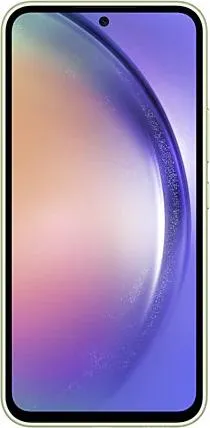
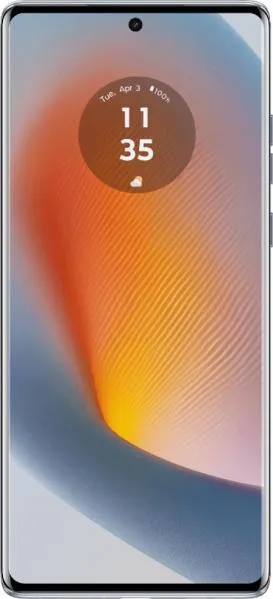
| Dimensions (mm) | 158.2 x 76.7 x 8.2 | 161.9 x 73.1 x 7.9 | The Motorola is slightly taller and narrower, but thinner. Size differences are minimal and likely won't significantly impact one-handed use for most users. |
| Weight (g) | 202 | 174.9 | The Motorola is noticeably lighter, making it more comfortable for extended use and reducing hand fatigue. |
| Display | |||
| Display Type | Super AMOLED | pOLED | Both offer excellent color reproduction and deep blacks. AMOLED generally consumes less power, especially with dark mode. Differences in perceived quality might be subtle for average users. |
| Display Size (inches) | 6.4 | 6.7 | The Motorola offers a larger screen, providing a more immersive experience for media consumption and gaming. |
| Refresh Rate (Hz) | 120 | 120 (LATAM), 144 (INT) | The international version of the Motorola has a higher refresh rate, resulting in smoother animations and scrolling. However, the difference between 120Hz and 144Hz might not be perceptible to all users. The 120Hz on both ensures smooth visuals for most users. |
| Peak Brightness (nits) | 1000 (HBM) | 1600 | The Motorola's significantly higher peak brightness makes it more readable in direct sunlight. |
| Resolution | 1080 x 2340 | 1080 x 2400 | Both offer sharp displays for their size; the resolution difference is negligible in practical use. |
| Performance | |||
| Chipset | Exynos 1380 (5 nm) | Snapdragon 7s Gen 2 (4 nm) | The Snapdragon chip is generally considered more powerful and efficient. This translates to better performance in demanding tasks and potentially longer battery life. |
| CPU | Octa-core (4x2.4 GHz Cortex-A78 & 4x2.0 GHz Cortex-A55) | Octa-core (4x2.4 GHz Cortex-A78 & 4x1.95 GHz Cortex-A55) | CPU configurations are very similar. The slight clock speed difference on efficiency cores likely won't result in noticeable real-world performance differences. |
| GPU | Mali-G68 MP5 | Adreno 710 | The Adreno 710 generally offers better gaming performance than the Mali-G68 MP5. |
| RAM (GB) | 8 | 8 | Both phones have sufficient RAM for smooth multitasking. |
| Camera | |||
| Main Camera (MP) | 50 (Sony IMX766) | 50 (Sony LYT-700C) | Both use 50MP sensors; image quality will depend more on image processing than resolution. Real-world performance comparison requires camera samples. |
| Ultrawide (MP) | 13 | 13 | Similar ultrawide capabilities; real-world performance needs further analysis. Motorola combines ultrawide with macro. |
| Selfie Camera (MP) | 32 | 32 | Similar selfie camera resolution; image quality depends on factors beyond megapixel count. |
| Video Recording | 4K@30fps | 4K@30fps | Both offer 4K video recording, but specific features like stabilization and dynamic range capabilities need further comparison. Motorola boasts 960fps slow-mo vs Samsung's 480fps. |
| Battery | |||
| Capacity (mAh) | 5000 | 5000 | Identical battery capacity suggests similar potential battery life, but actual performance depends on software optimization and usage patterns. |
| Fast Charging (W) | 25 | 68 | The Motorola offers significantly faster charging, minimizing downtime. |
2. Key Differences Analysis
Samsung Galaxy A54 Advantages:
- Potentially better battery life for dark mode users: AMOLED's pixel-level light control can significantly reduce power consumption when displaying black.
- More affordable: Generally priced lower than the Motorola Edge 50 Fusion.
Motorola Edge 50 Fusion Advantages:
- Significantly faster charging: 68W fast charging allows for much quicker top-ups.
- Larger and Brighter Display: More immersive media experience and better outdoor visibility.
- More powerful GPU: Smoother gaming performance.
- Higher refresh rate (International Version): Even smoother scrolling and animations.
3. User Profiles & Recommendations
Samsung Galaxy A54: Budget-conscious users who prioritize battery life and a vibrant display. Suitable for everyday tasks, social media, and light gaming.
Motorola Edge 50 Fusion: Users who value performance, a large and bright display, and fast charging. Suitable for gaming, media consumption, and demanding tasks. Users who frequently use their phones in direct sunlight.
4. Decision Framework
Key Questions for Buyers:
- What is your budget? The A54 offers better value for money if price is a major concern.
- What are your primary use cases? Gaming and media consumption benefit from the Motorola's larger display and powerful GPU.
- How important is fast charging? The Motorola's 68W charging is a significant advantage for users who need quick top-ups.
My Choice: Motorola Edge 50 Fusion
While the Samsung Galaxy A54 is a solid mid-range phone, the Motorola Edge 50 Fusion offers a more compelling overall package for my needs. The significantly faster charging, larger and brighter display, and more powerful processor are key factors in my decision. The slightly higher price is justified by these tangible benefits. While I appreciate the potential battery life advantage of the A54's AMOLED screen, the Motorola's superior performance and features outweigh this for me. The faster refresh rate on the International version is a bonus, but not a deal breaker. The significantly faster charging of the Motorola is a huge benefit in my daily usage.
