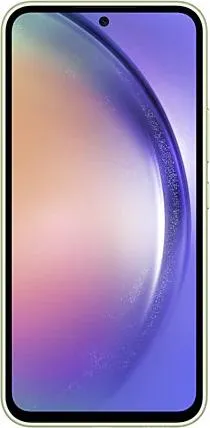
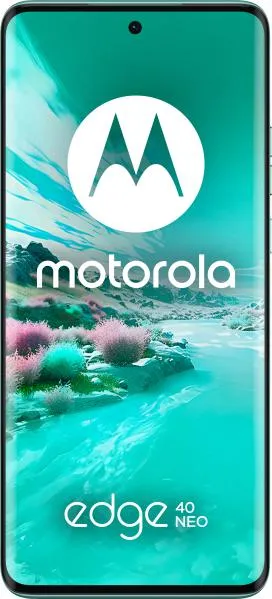
1. Specifications Comparison
| Feature | Samsung Galaxy A54 | Motorola Edge 40 Neo | Practical Impact |
|---|---|---|---|
| Design | |||
| Dimensions (mm) | 158.2 x 76.7 x 8.2 | 159.6 x 72 x 7.9 | Edge 40 Neo is slightly taller and narrower, but thinner. A54 is slightly heavier. Negligible differences in everyday use. |
| Weight (g) | 202 | 170 | Edge 40 Neo is noticeably lighter, improving one-handed use and portability. |
| Display | |||
| Display Type | Super AMOLED | p-OLED | Both offer excellent color and contrast. Subjective preference for color vibrancy (AMOLED) or absolute blacks (p-OLED). |
| Display Size (inches) | 6.4 | 6.55 | Edge 40 Neo offers a slightly larger screen for media consumption. |
| Refresh Rate (Hz) | 120 | 144 | Edge 40 Neo's higher refresh rate delivers smoother scrolling and animations, especially noticeable in gaming. |
| Peak Brightness (nits) | 1000 (HBM) | 1300 | Edge 40 Neo's significantly higher peak brightness ensures better outdoor visibility. Missing specific value for A54's typical brightness limits comprehensive comparison. |
| Performance | |||
| Chipset | Exynos 1380 (5nm) | MediaTek Dimensity 7030 (6nm) | Both offer comparable mid-range performance. Slight differences in benchmark scores may not translate to noticeable real-world performance variations. |
| CPU | Octa-core (4x2.4 GHz Cortex-A78 & 4x2.0 GHz Cortex-A55) | Octa-core (2x2.5 GHz Cortex-A78 & 6x2.0 GHz Cortex-A55) | Edge 40 Neo might have a slight edge in demanding tasks due to two higher clocked performance cores. |
| RAM (GB) | 8 | 12 | Edge 40 Neo's larger RAM enables better multitasking and app switching, reducing app closures in the background. |
| Camera | |||
| Main Camera (MP) | 50 (Sony IMX766) | 50 (Omnivision OV50A) | Both have 50MP sensors. Image quality depends on processing, lens quality, and other factors not fully detailed here. A54 provides sensor model, indicating potential advantage in low-light performance due to the known quality of the IMX766 sensor. |
| Video Recording | 4K@30fps with EIS | 4K@30fps with EIS | Both offer similar basic video capabilities. Edge 40 Neo boasts higher slow-motion frame rates (up to 240fps at 1080p vs 480fps at 720p on A54). |
| Battery | |||
| Capacity (mAh) | 5000 | 5000 | Identical battery capacity suggests similar potential battery life, but real-world usage varies significantly based on software optimization and usage patterns. |
| Fast Charging (W) | 25 | 68 | Edge 40 Neo offers significantly faster charging, minimizing downtime. |
2. Key Differences Analysis
Samsung Galaxy A54 Advantages:
- Potentially better main camera: The use of the Sony IMX766 sensor generally results in better low-light performance and overall image quality compared to the Omnivision OV50A.
- Longer Software Support: Samsung typically provides longer OS and security updates, enhancing device longevity and security.
Motorola Edge 40 Neo Advantages:
- Smoother Display: The 144Hz refresh rate provides a more fluid user experience.
- Faster Charging: 68W fast charging significantly reduces charging time.
- Larger RAM: 12GB RAM enables smoother multitasking and better performance with demanding applications.
- Lighter Design: Noticeably lighter, improving comfort and one-handed use.
- Brighter Display: Better visibility outdoors.
3. User Profiles & Recommendations
Samsung Galaxy A54: Users prioritizing camera quality, longer software support, and a vibrant display.
Motorola Edge 40 Neo: Users prioritizing a smooth display, faster charging, ample RAM for multitasking, and a lightweight design. Suitable for gamers and heavy users.
4. Decision Framework
Key Questions for Buyers:
- How important is camera quality? A54 might offer a slight edge in overall image quality, particularly in low light.
- How important is long-term software support and updates? Samsung generally provides longer support.
- Is a smoother display and faster charging a priority? Edge 40 Neo excels in these areas.
My Choice: Motorola Edge 40 Neo
While the A54 boasts a potentially superior main camera, the Edge 40 Neo's advantages in display smoothness (144Hz), significantly faster charging (68W), larger RAM (12GB), lighter weight, and brighter display outweigh the camera difference for me. The improved responsiveness and reduced charging times contribute significantly to a better daily user experience. While longer software support is a factor, the immediate benefits of the Edge 40 Neo, especially considering they are similarly priced, make it the more compelling choice. The 144Hz refresh rate and lighter weight are particularly appealing for gaming and extended use.
