1. Specifications Comparison
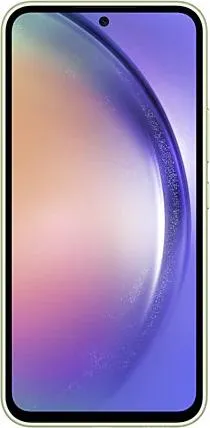
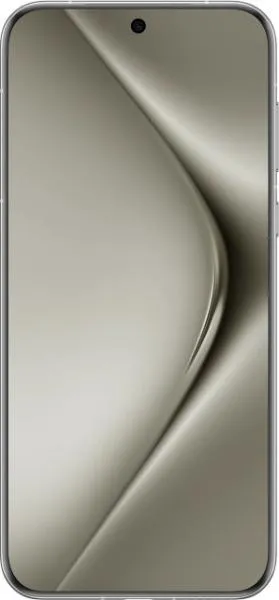
| Feature | Samsung Galaxy A54 | Huawei Pura 70 Pro | Practical Impact |
|---|---|---|---|
| Design | |||
| Dimensions (mm) | 158.2 x 76.7 x 8.2 | 162.6 x 75.1 x 8.4 | The Huawei is slightly larger and heavier. |
| Weight (g) | 202 | 220 | The A54 is noticeably lighter for one-handed use. |
| Display | |||
| Size (inches) | 6.4 | 6.8 | Huawei offers a larger screen for media consumption. |
| Resolution (px) | 1080 x 2340 | 1260 x 2844 | Huawei has a sharper display (higher pixel density). |
| Type | Super AMOLED | LTPO OLED | Both offer excellent color and contrast, but LTPO allows for dynamic refresh rate adjustment, potentially saving battery on the Huawei. |
| Refresh Rate (Hz) | 120 | 120 | Both offer smooth scrolling and animations. |
| Peak Brightness (nits) | 1000 (HBM) | 2500 | The Huawei's significantly higher peak brightness dramatically improves outdoor visibility. |
| Performance | |||
| Chipset | Exynos 1380 (5 nm) | Kirin 9010 (7 nm) | Difficult to compare directly without benchmarks. Kirin 9010 is likely more powerful but real-world performance depends on optimization. |
| CPU | Octa-core (4x2.4 GHz Cortex-A78 & 4x2.0 GHz Cortex-A55) | Octa-core (1x2.3 GHz Taishan Big & 3x2.18 GHz Taishan Mid & 4x1.55 GHz Cortex-A510) | Huawei's CPU architecture suggests a focus on efficiency and performance. Needs benchmarks for clear comparison. |
| RAM (GB) | 8 | 12 | Huawei offers more RAM for multitasking and demanding applications. |
| GPU | Mali-G68 MP5 | Maleoon 910 | Huawei likely has a more powerful GPU; need benchmarks for gaming performance comparison. |
| Camera | |||
| Main Camera (MP) | 50 | 50 | Comparable resolution; sensor size and aperture differ. Huawei has larger sensor (1/1.3") and wider aperture (f/1.4), suggesting better low-light performance. |
| Ultrawide (MP) | 13 | 12.5 | Similar ultrawide capabilities. |
| Telephoto (MP) | None | 48 | Huawei offers optical zoom for better image quality at a distance. |
| Selfie (MP) | 32 | 13 | A54 has a higher resolution selfie camera. |
| Battery | |||
| Capacity (mAh) | 5000 | 5050 | Negligible difference in battery capacity. |
| Fast Charging (W) | 25 | 100 | Huawei offers significantly faster charging. |
| Wireless Charging | No Data | 80W Wireless, 20W Reverse Wireless | Huawei offers fast wireless and reverse wireless charging. |
2. Key Differences Analysis
Samsung Galaxy A54 Advantages:
- Lighter and more compact: Easier for one-handed use and portability.
- Potentially more affordable: Generally positioned in a lower price bracket.
- Higher resolution selfie camera: Better for video calls and self-portraits.
- Longer Software Support: Samsung typically provides longer OS updates.
Huawei Pura 70 Pro Advantages:
- Larger, sharper display with higher peak brightness: Superior for media consumption and outdoor visibility.
- More powerful processor and GPU (likely): Better for demanding tasks and gaming (needs benchmarks to confirm).
- More RAM: Enhanced multitasking and smoother performance with demanding apps.
- Significantly faster charging and wireless charging capabilities: More convenient and less downtime.
- Superior main camera with optical zoom: Offers versatility and better low-light performance.
3. User Profiles & Recommendations
Samsung Galaxy A54:
- Budget-conscious users: Prioritize affordability without significant compromises on core features.
- Users who value compactness and light weight: Prefer easier one-handed operation.
- Users prioritizing frequent selfies: The higher-resolution front camera is advantageous.
Huawei Pura 70 Pro:
- Power users: Demand top-tier performance for gaming, multitasking, and demanding applications.
- Multimedia enthusiasts: Value a large, high-quality display for movies, videos, and gaming.
- Photography enthusiasts: The superior camera system with optical zoom offers greater creative control.
- Users who value fast charging and wireless charging convenience: Minimize downtime and cable clutter.
4. Decision Framework
Key Questions for Buyers:
- What is your budget? The A54 is likely more affordable.
- What are your primary smartphone usage patterns? (e.g., gaming, photography, social media, basic communication).
- Which features are most important to you? (e.g., camera quality, battery life, display size, performance).
My Choice: Huawei Pura 70 Pro
While the Samsung Galaxy A54 is a solid mid-range phone, the Huawei Pura 70 Pro offers a more compelling package for my needs. The significantly brighter and larger LTPO display, combined with the likely more powerful processor, larger RAM, and vastly superior camera system with a telephoto lens make it a clear winner. The 100W fast charging and wireless charging are also huge convenience factors. While the price difference is significant, the Pura 70 Pro's advancements in key areas justify the premium for a power user or multimedia enthusiast. The lack of concrete information regarding the Kirin 9010's performance compared to the Exynos 1380 is a minor concern, but given Huawei's history, it's likely a more powerful chip. Finally, the lack of information about OS version on the Huawei is concerning, and would require further investigation before committing to a purchase.
