1. Specifications Comparison
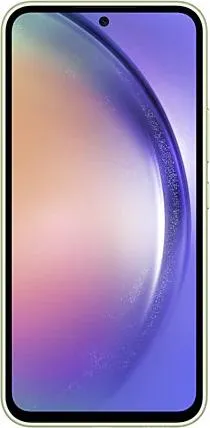
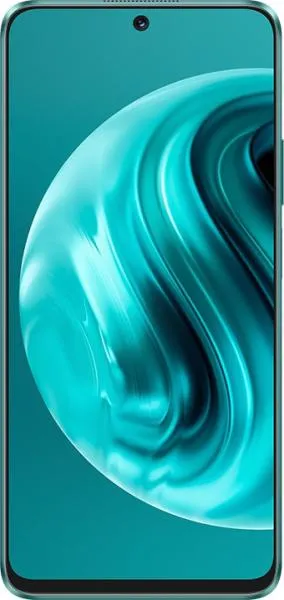
| Feature | Samsung Galaxy A54 | Huawei nova 12i | Practical Impact |
|---|---|---|---|
| Design | |||
| Dimensions (mm) | 158.2 x 76.7 x 8.2 | 163.3 x 74.7 x 8.4 | A54 is slightly smaller and thinner. |
| Weight (g) | 202 | 199 | Negligible weight difference. |
| Build | Material information missing for both, impacting durability and premium feel perception. | ||
| Display | |||
| Display Type | Super AMOLED, 120Hz | IPS LCD, 90Hz | A54 offers more vibrant colors, deeper blacks, and smoother scrolling thanks to AMOLED and higher refresh rate. |
| Display Size | 6.4" | 6.7" | Nova 12i provides a larger viewing area. |
| Resolution | 1080 x 2340 | 1080 x 2388 | Similar sharpness due to comparable pixel density. |
| Performance | |||
| Chipset | Exynos 1380 (5nm) | Snapdragon 680 4G (6nm) | A54 likely offers better performance and efficiency due to a more modern and powerful chipset. |
| CPU | Octa-core (4x2.4 GHz Cortex-A78 & 4x2.0 GHz Cortex-A55) | Octa-core (4x2.4 GHz Cortex-A73 & 4x1.9 GHz Cortex-A53) | A54's CPU architecture suggests better multi-core performance for demanding tasks. |
| GPU | Mali-G68 MP5 | Adreno 610 | A54 likely has a stronger GPU, leading to improved gaming and graphics performance. |
| RAM | 8GB | 8GB | Same RAM capacity, ensuring smooth multitasking on both. |
| OS | Android 13 | Missing OS details for Nova 12i make comparison impossible. This significantly impacts usability and app availability. | |
| Camera | |||
| Main Camera | 50MP, f/1.8, OIS | 108MP, f/1.9 | Nova 12i boasts higher resolution, but image quality depends on sensor size and processing which needs further detail. OIS on A54 will produce better stabilized videos and low light pictures. |
| Selfie Camera | 32MP, f/2.2 | 8MP, f/2.0 | A54 offers a significantly higher resolution selfie camera. |
| Video Recording | Up to 4K@30fps with EIS | Up to 1080p@30fps | A54 supports higher resolution video recording and features electronic image stabilization (EIS). |
| Battery | |||
| Capacity | 5000 mAh | 5000 mAh | Similar battery capacity suggesting comparable battery life. Real-world usage may vary. |
| Charging | 25W wired | 40W wired | Nova 12i offers faster charging. |
2. Key Differences Analysis
Samsung Galaxy A54 Advantages:
- Superior Display: AMOLED technology and 120Hz refresh rate deliver a significantly better visual experience.
- Potentially Better Performance: More modern and powerful chipset architecture (Exynos 1380).
- More Versatile Camera System: OIS in the main camera and higher resolution selfie camera.
- Confirmed Software Updates: Android OS with guaranteed updates up to version 17.
Huawei nova 12i Advantages:
- Larger Display: Offers more screen real estate for media consumption.
- Faster Charging: 40W wired charging significantly reduces charging time.
- Potentially Lower Price: While price ranges are similar, specific market prices could make the Nova 12i more affordable.
3. User Profiles & Recommendations
Samsung Galaxy A54: Suited for users who prioritize display quality, performance, camera versatility, and guaranteed software updates. Ideal for media consumption, gaming, and photography enthusiasts.
Huawei nova 12i: Suitable for budget-conscious users who prefer a large screen and fast charging. Best for casual users primarily focused on basic tasks, social media, and content consumption. Lack of clear OS information makes a strong recommendation difficult.
4. Decision Framework
Key Questions for Buyers:
- How important is display quality and smoothness?
- What is your budget and how much do you prioritize faster charging?
- Which operating system and app ecosystem do you prefer (requires more OS info on Nova 12i)?
Scenario-Based Recommendations:
- Heavy User: For gaming, multitasking, and media consumption, the A54 is likely a better choice.
- Casual User on a Budget: If a large screen and fast charging are priorities, and OS limitations are acceptable, the Nova 12i might be suitable. However, OS information is crucial for a clear recommendation.
My Choice: Samsung Galaxy A54
While the Huawei nova 12i offers a larger display and faster charging, the Samsung Galaxy A54 is the clear winner for me. The superior AMOLED display with 120Hz, combined with the more powerful processor and versatile camera system with OIS, provide a significantly better overall user experience. Furthermore, the guaranteed Android updates ensure long-term software support and security. The lack of crucial information regarding the Nova 12i's Operating System is a major deterrent, making it impossible to fully assess its usability and long-term viability. The slightly smaller screen and slower charging of the A54 are acceptable trade-offs for the substantial gains in other areas.
