1. Specifications Comparison
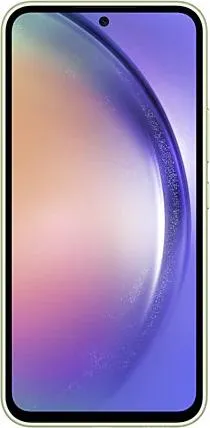
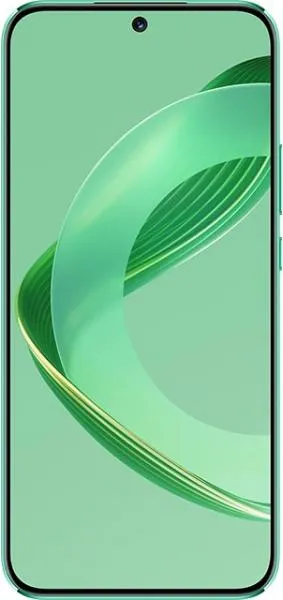
| Feature | Samsung Galaxy A54 | Huawei nova 11 | Practical Impact |
|---|---|---|---|
| Design | |||
| Dimensions (mm) | 158.2 x 76.7 x 8.2 | 161.3 x 75 x 6.9 | Nova 11 is slightly taller and narrower, but noticeably thinner. A54 is slightly heavier. |
| Weight (g) | 202 | 168 | Nova 11 feels lighter in hand, improving one-handed use. |
| Display | |||
| Display Type | Super AMOLED | OLED | Both offer excellent contrast and vibrant colors. Subjective preference may determine which looks better. |
| Display Size (inches) | 6.4 | 6.7 | Nova 11 provides a larger screen for media consumption and multitasking. |
| Resolution (px) | 1080 x 2340 | 1084 x 2412 | Virtually identical sharpness; screen size difference is more impactful. |
| Refresh Rate (Hz) | 120 | 120 | Both offer smooth scrolling and animations. |
| Peak Brightness (nits) | 1000 (HBM) | 950 | A54 likely offers better visibility in direct sunlight. However, real-world difference might be negligible. |
| Performance | |||
| Chipset | Exynos 1380 (5 nm) | Snapdragon 778G 4G (6 nm) | Snapdragon 778G generally offers better performance, especially in gaming. |
| CPU | Octa-core (4x2.4 GHz Cortex-A78 & 4x2.0 GHz Cortex-A55) | Octa-core (4x2.4 GHz Kryo 670 & 4x1.8 GHz Kryo 670) | Snapdragon's Kryo cores often provide better efficiency and sustained performance. |
| GPU | Mali-G68 MP5 | Adreno 642L | Adreno 642L generally provides better gaming performance. |
| RAM (GB) | 8 | 8 | Equivalent RAM capacity for multitasking. |
| Camera | |||
| Main Camera (MP) | 50 (Sony IMX766) | 50 | Both have high-resolution main sensors, but A54's specific sensor is known for good performance. |
| Selfie Camera (MP) | 32 | 60 | Nova 11 has a much higher resolution selfie camera. |
| Video Recording | Up to 4K@30fps | Up to 720p@960fps (Slow-mo) | A54 offers better general video recording capabilities, while Nova 11 excels in slow-motion. |
| Battery | |||
| Capacity (mAh) | 5000 | 4500 | A54 offers a larger battery capacity, likely resulting in longer battery life. |
| Fast Charging (W) | 25 | 66 | Nova 11 charges significantly faster. |
2. Key Differences Analysis
Samsung Galaxy A54 Advantages:
- Longer Battery Life: The 5000mAh battery provides a significant advantage.
- Proven Main Camera Sensor: The Sony IMX766 sensor is known for its reliability and image quality.
- Brighter Display: The 1000 nits peak brightness (HBM) ensures better outdoor visibility.
- More Affordable: Generally priced lower than the Nova 11.
Huawei nova 11 Advantages:
- Faster Charging: 66W fast charging significantly reduces charging time.
- Higher Resolution Selfie Camera: The 60MP selfie camera captures more detail.
- Thinner and Lighter Design: More comfortable for one-handed use.
- Generally Better Performance: Snapdragon 778G offers better processing power for demanding tasks and gaming.
Trade-offs:
- A54: Slower charging speed, lower-resolution selfie camera.
- Nova 11: Smaller battery capacity, potentially higher price, lack of specific details on main camera sensor performance.
3. User Profiles & Recommendations
Samsung Galaxy A54: Ideal for users prioritizing battery life, reliable camera performance, and affordability. Excellent for everyday use, social media, and casual photography.
Huawei nova 11: Suitable for users who value fast charging, a high-quality selfie camera, sleek design, and strong performance for gaming or demanding applications.
4. Decision Framework
Key Questions:
- How important is battery life to you? If all-day battery life is crucial, the A54 is the better choice.
- Are you a heavy selfie taker or mobile gamer? If yes, the Nova 11's 60MP selfie camera and powerful processor are advantageous.
- What's your budget? The A54 generally offers better value for its price.
Scenario-Based Recommendations:
- Heavy User: If you're a heavy smartphone user who needs fast charging and top-tier performance, the Nova 11 might be better, despite the smaller battery.
- Casual User: For average daily use with a focus on battery life and affordability, the A54 is a solid choice.
My Choice: Samsung Galaxy A54
While the Huawei Nova 11 offers compelling features like faster charging and a better selfie camera, the Samsung Galaxy A54's superior battery life and proven main camera sensor are more important to me. I prioritize all-day battery life and reliable image quality for everyday photography. The A54 also tends to be more affordable, making it a better value proposition overall. While the Nova 11 boasts better performance, the A54's performance is sufficient for my typical usage. The significantly faster charging of the Nova 11 is tempting, but the larger battery capacity of the A54 outweighs that for my personal needs.
