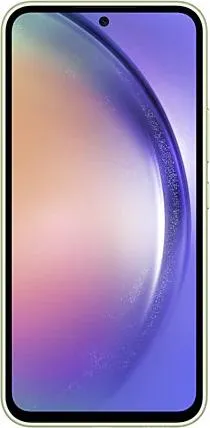

1. Specifications Comparison
| Feature | Samsung Galaxy A54 | Google Pixel 9 Pro | Practical Impact |
|---|---|---|---|
| Design | |||
| Dimensions (mm) | 158.2 x 76.7 x 8.2 | 152.8 x 72.0 x 8.5 | Pixel 9 Pro is slightly shorter, narrower, but thicker. A54 might feel slightly less bulky overall. |
| Weight (g) | 202 | 199 | Negligible weight difference in practical use. |
| Display | |||
| Display Type | Super AMOLED | LTPO OLED | Both offer excellent color and contrast. Pixel's LTPO allows for more granular refresh rate control, potentially saving battery. |
| Display Size (inches) | 6.4 | 6.3 | Virtually identical screen real estate. |
| Resolution | 1080 x 2340 | 1280 x 2856 | Pixel 9 Pro has a sharper display due to higher pixel density. Noticeable in fine details and text clarity. |
| Refresh Rate (Hz) | 120 | 120 | Both offer smooth scrolling and animations. |
| Peak Brightness (nits) | 1000 (HBM) | 3000 (peak) | Pixel 9 Pro significantly brighter, crucial for outdoor visibility. |
| Performance | |||
| Chipset | Exynos 1380 (5 nm) | Google Tensor G4 (4 nm) | Tensor G4 likely offers superior performance and AI capabilities, though real-world differences in common tasks may vary. |
| CPU | Octa-core (4x2.4 GHz A78 & 4x2.0 GHz A55) | Octa-core (1x3.1 GHz X4 & 3x2.6 GHz A720 & 4x1.92 GHz A520) | Pixel 9 Pro's more modern CPU architecture should provide faster processing, especially in demanding tasks. |
| GPU | Mali-G68 MP5 | Mali-G715 MC7 | Pixel 9 Pro likely has a more powerful GPU, benefiting gaming and graphically intensive applications. |
| RAM | 8 GB | 16 GB | Pixel 9 Pro's double the RAM allows for significantly more apps to run in the background without reloading, improving multitasking. |
| Camera | |||
| Main Camera (MP) | 50 | 50 | Comparable resolution, but sensor size and processing make a larger difference in image quality. Pixel is known for exceptional computational photography. |
| Ultrawide (MP) | 13 | 48 | Pixel has a significantly higher resolution ultrawide, capturing more detail. It also doubles as a macro lens. |
| Telephoto (MP) | N/A | 48 | Pixel offers optical zoom capabilities, absent in the A54. |
| Video Recording | 4K@30fps | 8K@30fps | Pixel can record in higher resolution, but 4K is sufficient for most users. Pixel also boasts superior video stabilization and HDR capabilities. |
| Battery | |||
| Capacity (mAh) | 5000 | 4700 | A54 has slightly larger battery capacity, but real-world battery life depends heavily on usage and software optimization. |
| Fast Charging (W) | 25 | 27 | Similar fast charging speeds; negligible difference in practice. |
| Wireless Charging | No | Yes (21W) | Pixel offers convenient wireless charging. |
2. Key Differences Analysis
Samsung Galaxy A54 Advantages:
- Lower Price: Positioned in the mid-range segment, offering good value.
- Potentially Longer Battery Life: Slightly larger battery.
Google Pixel 9 Pro Advantages:
- Superior Performance: More powerful processor, GPU, and double the RAM.
- Significantly Better Camera System: Higher resolution ultrawide and telephoto lenses, advanced computational photography, 8K video recording.
- Brighter, Sharper Display: Higher resolution and peak brightness.
- More Feature-Rich Software: Pixel's exclusive Android features and guaranteed updates.
- Wireless Charging: Added convenience.
3. User Profiles & Recommendations
Samsung Galaxy A54: Suitable for budget-conscious users who prioritize basic smartphone functionality, long battery life, and a good display. Ideal for web browsing, social media, casual photography, and light gaming.
Google Pixel 9 Pro: Ideal for power users, photographers, and videographers. Excellent for demanding tasks, gaming, capturing high-quality photos and videos, and enjoying the latest Android features.
4. Decision Framework
Key Questions for Buyers:
- What is your budget? The Pixel 9 Pro is significantly more expensive.
- What are your primary smartphone uses? (e.g., photography, gaming, social media)
- How important are features like wireless charging, the latest software updates, and top-tier performance?
My Choice: Google Pixel 9 Pro
While the Samsung Galaxy A54 offers excellent value, the Pixel 9 Pro's superior camera system, performance, display, and software make it the compelling choice for me. I prioritize having the best possible camera and a smooth, responsive user experience. The extra cost is justified by the significant improvements in key areas. The future-proofing provided by longer software updates and the powerful Tensor G4 chip also contribute to its long-term value. Although the A54 might offer slightly longer battery life, the Pixel's wireless charging adds convenience that outweighs this minor difference for my usage.
