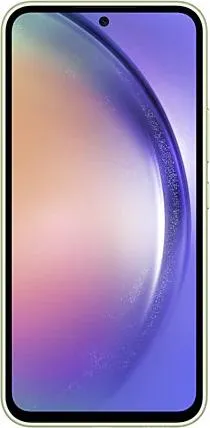

1. Specifications Comparison
| Feature | Samsung Galaxy A54 | Google Pixel 9 | Practical Impact |
|---|---|---|---|
| Design | |||
| Dimensions (mm) | 158.2 x 76.7 x 8.2 | 152.8 x 72.0 x 8.5 | Pixel 9 is slightly shorter, narrower, but thicker. A54 might feel slightly less bulky overall. |
| Weight (g) | 202 | 198 | Negligible weight difference in real-world usage. |
| Build | Unspecified | Unspecified | Material differences could impact durability and premium feel; information lacking. |
| Display | |||
| Display Type | Super AMOLED | OLED | Both offer excellent contrast and vibrant colors. Subjective preference for color accuracy and saturation may apply. |
| Display Size (inches) | 6.4 | 6.3 | Negligible size difference; A54 slightly larger. |
| Resolution | 1080 x 2340 | 1080 x 2424 | Similar sharpness; Pixel 9 slightly higher pixel density due to smaller screen. |
| Refresh Rate (Hz) | 120 | 120 | Both offer smooth scrolling and animations. |
| Peak Brightness (nits) | 1000 (HBM) | 1800 (HBM), 2700 (peak) | Pixel 9 significantly brighter, improving outdoor visibility and HDR content. |
| Performance | |||
| Chipset | Exynos 1380 (5 nm) | Google Tensor G4 (4 nm) | Tensor G4 likely offers significantly better performance and AI processing. |
| CPU | Octa-core (4x2.4 GHz A78 & 4x2.0 GHz A55) | Octa-core (1x3.1 GHz X4 & 3x2.6 GHz A720 & 4x1.92 GHz A520) | Pixel 9's more modern CPU architecture should result in noticeably faster speeds and better multi-tasking. |
| GPU | Mali-G68 MP5 | Mali-G715 MC7 | Pixel 9's GPU should deliver superior gaming and graphics performance. |
| RAM | 8GB | 12GB | Pixel 9's larger RAM enables better multitasking and app switching. |
| Camera | |||
| Main Camera (MP) | 50 | 50 | Resolution similar, but sensor details (size, pixel size) indicate Pixel 9 likely captures more light and detail. |
| Ultrawide (MP) | 13 | 48 | Pixel 9's ultrawide offers much higher resolution and potentially wider field of view. Also functions as Macro lens. |
| Selfie Camera (MP) | 32 | 10.5 | A54 has higher selfie resolution; however, image quality depends on sensor and processing, not just megapixels. Pixel's computational photography could outperform despite lower resolution. |
| DXOMark Score | 107 | 154 | Pixel 9 significantly outperforms A54 in overall camera quality according to DXOMark. |
| Battery | |||
| Capacity (mAh) | 5000 | 4700 | A54 has slightly larger battery capacity. |
| Fast Charging (W) | 25 | 27 | Minor difference in charging speed. |
2. Key Differences Analysis
Pixel 9 Advantages:
- Significantly better performance: Tensor G4, more RAM, and superior GPU offer a smoother, faster experience.
- Superior camera system: Higher DXOMark score, larger main sensor, higher resolution ultrawide, and Google's advanced image processing.
- Brighter display: Improves outdoor visibility and HDR experience.
- Longer software support: Expected updates up to Android 21.
A54 Advantages:
- Potentially longer battery life: Larger battery capacity might translate to longer usage time, though real-world usage varies greatly.
- Potentially lower price: Based on the "medium price" range and historical pricing, the A54 is likely more affordable.
3. User Profiles & Recommendations
Pixel 9: Users who prioritize performance, camera quality, a vibrant display, and the latest software features. Ideal for demanding tasks, gaming, mobile photography, and content consumption.
A54: Users seeking a balance of features and affordability. Suitable for everyday tasks, social media, casual photography, and users who prioritize battery life. Good option for budget-conscious buyers.
4. Decision Framework
Key Questions for Buyers:
- What is your budget? The Pixel 9 is likely more expensive.
- What are your primary smartphone usage patterns? Gaming, photography, demanding apps benefit from Pixel 9's performance.
- How important is software support and future updates? Pixel 9 offers longer update commitment.
Scenario-Based Recommendations:
- Limited budget: A54
- Photography enthusiast: Pixel 9
- Mobile gamer: Pixel 9
- Value seeker: A54
My Choice: Google Pixel 9
While the Samsung Galaxy A54 offers a solid set of features for a potentially lower price, the Google Pixel 9's significant advantages in performance, camera quality, display brightness, and software support make it the compelling choice for me. I prioritize a smooth user experience, excellent photography capabilities, and the assurance of long-term software updates. The slightly higher price is a worthwhile trade-off for these substantial benefits. The Tensor G4's AI capabilities are also a compelling feature, potentially offering unique and useful features. While battery life is a concern, modern power management features and fast charging mitigate this somewhat.
