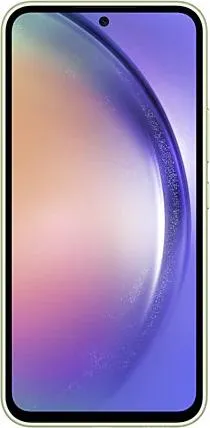

1. Specifications Comparison
| Feature | Samsung Galaxy A54 | Google Pixel 8 Pro | Practical Impact |
|---|---|---|---|
| Design | |||
| Dimensions (mm) | 158.2 x 76.7 x 8.2 | 162.6 x 76.5 x 8.8 | Pixel 8 Pro is slightly larger and thicker. |
| Weight (g) | 202 | 213 | Negligible weight difference in practical use. |
| Build | Plastic frame, Glass front/back | Aluminum frame, Glass front/back | Pixel 8 Pro's aluminum frame offers potentially better durability. |
| Display | |||
| Display Type | Super AMOLED | LTPO OLED | Both offer excellent color and contrast; LTPO allows for dynamic refresh rate, potentially saving battery on the Pixel. |
| Display Size (inches) | 6.4 | 6.7 | Pixel 8 Pro offers a larger screen for more immersive content consumption. |
| Resolution (px) | 1080 x 2340 | 1344 x 2992 | Pixel 8 Pro has a significantly sharper display due to higher resolution and pixel density. |
| Refresh Rate (Hz) | 120 | 120 | Both offer smooth scrolling and animations. |
| Peak Brightness (nits) | 1000 (HBM) | 1600 (HBM), 2400 (peak) | Pixel 8 Pro is significantly brighter, improving outdoor visibility. |
| Performance | |||
| Chipset | Exynos 1380 (5 nm) | Google Tensor G3 (4 nm) | Tensor G3 likely offers better performance and AI capabilities. |
| CPU | Octa-core | Nona-core | Tensor G3's more advanced architecture suggests superior multitasking and demanding task handling. |
| RAM (GB) | 8 | 12 | More RAM on Pixel allows for smoother multitasking and less frequent app reloading. |
| Camera | |||
| Main Camera (MP) | 50 | 50 | Similar resolution, but sensor size and other factors likely lead to different image quality. Pixel's computational photography is renowned. |
| Ultrawide (MP) | 13 | 48 | Pixel 8 Pro offers a much higher resolution ultrawide camera. |
| Telephoto (MP) | N/A | 48 | Pixel 8 Pro features a dedicated telephoto lens for optical zoom. |
| DxOMark Score | 107 | 153 | Significantly higher DxOMark score indicates superior overall camera quality on the Pixel 8 Pro. |
| Battery | |||
| Capacity (mAh) | 5000 | 5050 | Negligible difference in battery capacity. |
| Fast Charging (W) | 25 | 30 | Pixel 8 Pro charges slightly faster. |
2. Key Differences Analysis
Samsung Galaxy A54 Advantages:
- Price: Likely more affordable.
- Compact Size: Easier to handle for some users.
Google Pixel 8 Pro Advantages:
- Superior Performance: Tensor G3 and more RAM provide smoother and faster experience.
- Significantly Better Camera: Higher resolution sensors, telephoto lens, and advanced computational photography.
- Brighter and Sharper Display: Improved outdoor visibility and more immersive media consumption.
- Longer Software Support: Google Pixels generally receive longer OS and security updates.
Trade-offs:
- Price: Pixel 8 Pro is significantly more expensive.
- Size: Larger size of the Pixel might be less pocketable for some.
3. User Profiles & Recommendations
Samsung Galaxy A54:
- Budget-conscious users: Prioritize affordability over top-tier specs.
- Casual users: Primarily use phone for basic tasks like calling, texting, social media, and light photography.
- Users preferring smaller phones: Value one-handed usability and pocketability.
Google Pixel 8 Pro:
- Power users: Demand top-tier performance for gaming, multitasking, and demanding applications.
- Photography enthusiasts: Prioritize camera quality and advanced features.
- Users who consume lots of media: Benefit from the larger, sharper, and brighter display.
4. Decision Framework
Key Questions:
- What is your budget? The Pixel 8 Pro commands a premium price.
- What are your primary phone usage patterns? (e.g., photography, gaming, social media)
- How important are factors like screen size, performance, and software updates?
Scenario-Based Recommendations:
- Limited Budget: Galaxy A54
- Best Camera: Pixel 8 Pro
- Best Performance: Pixel 8 Pro
- Most Compact: Galaxy A54
My Choice: Google Pixel 8 Pro
While the Samsung Galaxy A54 offers good value for its price, the Google Pixel 8 Pro is the superior phone overall. The significantly better camera system, including a dedicated telephoto lens and Google's renowned image processing, is a major deciding factor for me. Additionally, the more powerful Tensor G3 chip, increased RAM, brighter and sharper display, and longer software support justify the higher price. While the larger size might be a minor drawback, the overall user experience offered by the Pixel 8 Pro would be significantly better for my needs. I prioritize performance, a great camera, and a smooth user experience, making the Pixel 8 Pro the clear winner for me.
