1. Specifications Comparison
| Feature | Samsung Galaxy A54 | Asus Zenfone 10 | Practical Impact |
|---|---|---|---|
| Design | |||
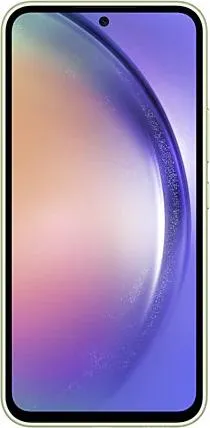
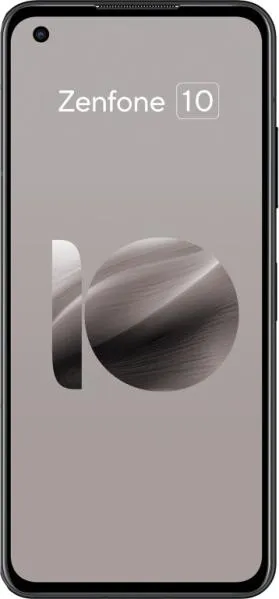
| Dimensions (mm) | 158.2 x 76.7 x 8.2 | 146.5 x 68.1 x 9.4 | Zenfone 10 significantly smaller and more pocketable. A54 is thinner. |
| Weight (g) | 202 | 172 | Zenfone 10 noticeably lighter for comfortable one-handed use. |
| Fingerprint Sensor | Under Display | Side-mounted | Preference-based; side-mounted often faster, under-display more seamless. |
| Display | |||
| Size (inches) | 6.4 | 5.92 | A54 offers larger screen for media consumption; Zenfone 10 better for one-handed use. |
| Resolution (px) | 1080 x 2340 | 1080 x 2400 | Similar sharpness due to Zenfone 10's smaller size; both sharp enough for everyday use. |
| Refresh Rate (Hz) | 120 | 144 | Zenfone 10's higher refresh rate results in smoother animations and scrolling. |
| Panel Type | Super AMOLED | Super AMOLED | Both offer vibrant colors and deep blacks. |
| Peak Brightness (nits) | 1000 (HBM) | 1100 (peak) | Zenfone 10 slightly brighter for better outdoor visibility; missing typical brightness for A54 limits comparison. |
| Performance | |||
| Chipset | Exynos 1380 (5 nm) | Snapdragon 8 Gen 2 (4 nm) | Snapdragon 8 Gen 2 significantly more powerful for demanding tasks and gaming. |
| CPU | Octa-core (4x2.4 GHz A78 & 4x2.0 GHz A55) | Octa-core (1x3.2 GHz X3 & 2x2.8 GHz A715 & 2x2.8 GHz A710 & 3x2.0 GHz A510) | Zenfone 10 offers superior CPU performance with faster clock speeds and newer architecture. |
| GPU | Mali-G68 MP5 | Adreno 740 | Adreno 740 provides significantly better graphics performance for gaming. |
| RAM (GB) | 8 | 8/16 | Zenfone 10 offers a 16GB RAM option for even smoother multitasking. |
| Camera | |||
| Main Camera (MP) | 50 (Sony IMX766) | 50 (Sony IMX766) | Same sensor, but image processing and lens quality can differ; real-world performance depends on tuning. |
| Ultrawide (MP) | 13 | 13 | Similar resolution, detailed comparison not possible without sensor specifications. |
| Video Recording | Up to 4K@30fps | Up to 8K@24fps | Zenfone 10 capable of higher resolution video recording; also features 6-Axis Gimbal stabilization for smoother footage. |
| Battery | |||
| Capacity (mAh) | 5000 | 4300 | A54 has larger battery capacity potentially leading to longer battery life. |
| Fast Charging (W) | 25 | 30 | Zenfone 10 supports slightly faster wired charging. |
| Wireless Charging | No | Yes (15W) | Zenfone 10 offers convenient wireless charging. |
2. Key Differences Analysis
Samsung Galaxy A54 Advantages:
- Larger Battery: Potentially longer battery life.
- Larger Display: More immersive media consumption.
- Lower Price: Generally more affordable.
Asus Zenfone 10 Advantages:
- Significantly More Powerful: Superior performance for demanding tasks and gaming.
- Smoother Display: Higher refresh rate for smoother visuals.
- More Compact: Easier to handle and pocket.
- Wireless Charging: Added convenience.
- Superior Video Recording: Higher resolution and gimbal stabilization.
3. User Profiles & Recommendations
Samsung Galaxy A54:
- Ideal User: Budget-conscious users prioritizing battery life and a large display for media consumption.
- Use Cases: Social media, web browsing, video streaming, casual gaming.
Asus Zenfone 10:
- Ideal User: Users prioritizing performance, a smooth display, and a compact form factor. Willing to pay more for premium features.
- Use Cases: Demanding gaming, multitasking, content creation, video recording.
4. Decision Framework
Key Questions for Buyers:
- What is your budget? The A54 is more affordable.
- Do you prioritize performance or battery life? The Zenfone 10 offers significantly better performance, while the A54 likely has longer battery life.
- Do you prefer a large or compact phone? The A54 has a larger display, while the Zenfone 10 is smaller and easier to handle.
My Choice: Asus Zenfone 10
While the Samsung Galaxy A54 offers a larger battery and lower price, the Asus Zenfone 10's superior performance, smoother display, compact form factor, wireless charging, and superior video capabilities make it a more compelling device for me. I prioritize a smooth and responsive user experience, and the Snapdragon 8 Gen 2 chip in the Zenfone 10 delivers that. The compact size is also a major plus for comfortable one-handed use. The higher refresh rate display, although marginally better, further enhances the user experience. The addition of wireless charging adds convenience. Although I value battery life, I am willing to compromise slightly for the significant performance gains and other premium features offered by the Zenfone 10.
