1. Specifications Comparison
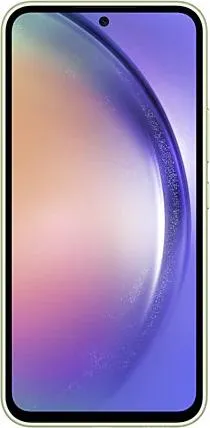
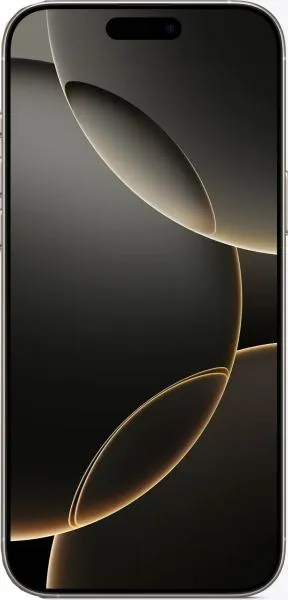
| Feature | Samsung Galaxy A54 | Apple iPhone 16 Pro Max | Practical Impact |
|---|---|---|---|
| Design | |||
| Dimensions (mm) | 158.2 x 76.7 x 8.2 | 163 x 77.6 x 8.3 | iPhone 16 Pro Max is slightly larger and heavier. |
| Weight (g) | 202 | 227 | A noticeable difference in weight; A54 is more pocketable. |
| Build Materials | Not specified | Not specified | Cannot compare build quality and durability. |
| Display | |||
| Display Size (inches) | 6.4 | 6.9 | Significantly larger screen on the iPhone offers more immersive content consumption. |
| Resolution (pixels) | 1080 x 2340 | 1320 x 2868 | Sharper and more detailed visuals on the iPhone due to higher resolution and pixel density. |
| Display Type | Super AMOLED, 120Hz | LTPO Super Retina XDR OLED, 120Hz | Both offer smooth scrolling and animations with 120Hz. iPhone's LTPO allows for dynamic refresh rate adjustment, potentially saving battery. Super Retina XDR implies superior color accuracy and brightness on the iPhone. |
| Peak Brightness (nits) | 1000 (HBM) | 2000 (HBM) | iPhone's display will be significantly brighter, especially outdoors. |
| Performance | |||
| Chipset | Exynos 1380 (5 nm) | Apple A18 Pro (3 nm) | A18 Pro is expected to significantly outperform the Exynos 1380 in speed and efficiency due to newer architecture and manufacturing process. |
| CPU | Octa-core | Hexa-core | Core count doesn't directly translate to performance; A18 Pro's architecture likely provides superior single and multi-core performance. |
| GPU | Mali-G68 MP5 | Apple GPU (6-core) | Apple's custom GPU is expected to deliver a superior gaming and graphics performance compared to the Mali-G68. |
| RAM | 8GB | 8GB | Same RAM capacity. |
| Camera | |||
| Rear Camera (MP) | 50 MP Main, 13 MP Wide, 5 MP Macro | 48 MP Main, 48 MP Ultrawide, 12MP Telephoto | iPhone boasts a more versatile camera system with a dedicated telephoto lens. Higher megapixel count on A54's main sensor doesn't guarantee better image quality. |
| Front Camera (MP) | 32 MP | 12 MP | Higher resolution on A54's selfie camera. Image quality depends on sensor and processing. |
| DxOMark Score | 107 | 157 | iPhone scores significantly higher in DxOMark indicating superior overall camera performance. |
| Battery | |||
| Capacity (mAh) | 5000 | 4685 | Slightly larger battery in the A54. Actual battery life depends on optimization and usage. |
| Fast Charging | 25W | 25W | Similar wired charging speeds. |
| Wireless Charging | No | Yes (25W) | iPhone supports faster wireless charging. |
2. Key Differences Analysis
Samsung Galaxy A54 Advantages:
- Lower Price: Positioned in the mid-range price segment.
- Larger Battery: Potentially longer battery life, but real-world usage will vary.
Apple iPhone 16 Pro Max Advantages:
- Significantly Faster Performance: The A18 Pro chip offers a major performance advantage.
- Superior Display: Brighter, sharper, and more color-accurate display with dynamic refresh rate.
- More Versatile Camera System: Telephoto lens, higher DxOMark scores, and advanced features like ProRAW.
- Faster Wireless Charging: Convenience and speed for wireless charging.
- Software Updates: Apple's longer software update cycle.
3. User Profiles & Recommendations
Samsung Galaxy A54:
- Budget-conscious users: Prioritize affordability over top-tier performance.
- Casual users: Primarily use their phone for basic tasks like social media, browsing, and light photography.
Apple iPhone 16 Pro Max:
- Power users: Demand top-tier performance for gaming, demanding apps, and multitasking.
- Content creators: Utilize the advanced camera system for photography and videography.
- Enthusiasts: Desire the latest technology and premium features.
4. Decision Framework
Key Questions for Buyers:
- What is your budget? The iPhone 16 Pro Max is significantly more expensive.
- What are your primary phone usage patterns? Casual users might find the A54 sufficient, while power users will appreciate the iPhone's performance.
- How important are camera quality and features to you? The iPhone 16 Pro Max offers a more sophisticated camera system.
My Choice: Apple iPhone 16 Pro Max
While the Samsung Galaxy A54 offers good value for its price, the iPhone 16 Pro Max is the superior device overall. Its significant advantages in performance, display, camera, and software updates outweigh the higher price tag for me. I prioritize a smooth and responsive user experience, high-quality content consumption, and a versatile camera system. The longer software support from Apple also ensures a longer device lifespan and better security. While the A54's larger battery is tempting, Apple's chip efficiency might close the gap in real-world usage. Ultimately, the iPhone 16 Pro Max offers a more future-proof and premium experience that aligns with my needs.
