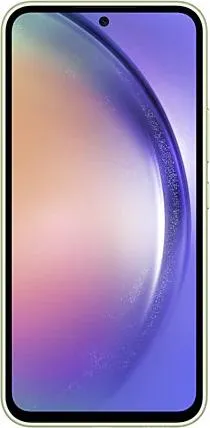
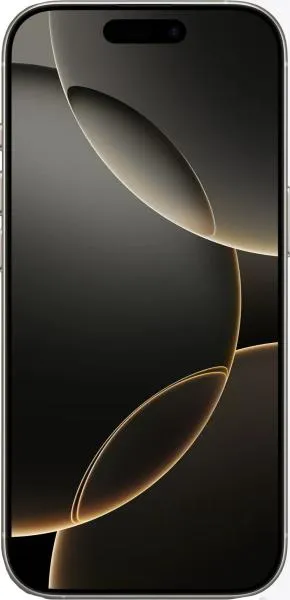
1. Specifications Comparison
| Feature | Samsung Galaxy A54 | Apple iPhone 16 Pro | Practical Impact |
|---|---|---|---|
| Design | |||
| Dimensions (mm) | 158.2 x 76.7 x 8.2 | 149.6 x 71.5 x 8.3 | iPhone 16 Pro is noticeably smaller and slightly thinner, making it more pocketable. |
| Weight (g) | 202 | 199 | Negligible weight difference. |
| Build Materials | Not specified | Titanium frame, unspecified back material | iPhone likely more premium and durable due to titanium frame. Lack of specifics for A54 limits comparison. |
| Display | |||
| Size (inches) | 6.4 | 6.3 | A54 slightly larger screen estate. |
| Resolution (px) | 1080 x 2340 | 1206 x 2622 | iPhone 16 Pro has a sharper display with higher pixel density (460 ppi vs 403 ppi), resulting in crisper text and images. |
| Technology | Super AMOLED | LTPO Super Retina XDR OLED | Both offer excellent color and contrast. LTPO on iPhone allows for dynamic refresh rate adjustment, potentially saving battery. |
| Refresh Rate (Hz) | 120 | 120 | Both offer smooth scrolling and animations. |
| Peak Brightness (nits) | 1000 (HBM) | 2000 (HBM) | iPhone 16 Pro significantly brighter, improving outdoor visibility. |
| Performance | |||
| Chipset | Exynos 1380 (5 nm) | Apple A18 Pro (3 nm) | A18 Pro expected to significantly outperform Exynos 1380 in speed and efficiency due to newer architecture and manufacturing process. |
| CPU | Octa-core (4x2.4 GHz Cortex-A78 & 4x2.0 GHz Cortex-A55) | Hexa-core (2x4.05 GHz + 4x2.42 GHz) | A18 Pro's higher clock speeds suggest superior performance in demanding tasks. |
| GPU | Mali-G68 MP5 | Apple GPU (6-core) | Apple's custom GPU generally offers leading performance in graphics-intensive tasks and gaming. |
| RAM | 8 GB | 8 GB | Equivalent RAM. |
| Camera | |||
| Main Camera (MP) | 50 | 48 | Comparable resolution. Sensor size and other factors play a larger role in image quality. |
| Ultrawide (MP) | 13 | 48 | iPhone has much higher resolution ultrawide, capturing more detail. |
| Telephoto (MP) | None | 12 | iPhone offers optical zoom capability, absent in A54. |
| Video Recording | Up to 4K@30fps with EIS | Up to 4K@120fps with HDR, Stereo Sound | iPhone boasts superior video recording capabilities with higher resolution, frame rate, and HDR support. |
| Battery | |||
| Capacity (mAh) | 5000 | 3582 | A54 has significantly larger battery capacity, potentially leading to longer battery life. |
| Fast Charging (W) | 25 | 25 | Same wired charging speed. |
| Wireless Charging | No | Yes (25W) | iPhone supports faster wireless charging. |
2. Key Differences Analysis
Samsung Galaxy A54 Advantages:
- Larger Battery: Potentially longer battery life.
- Lower Price: Significantly more affordable.
Apple iPhone 16 Pro Advantages:
- Superior Performance: Significantly faster and more efficient processor and GPU.
- Sharper Display: Higher resolution and peak brightness.
- More Versatile Camera System: Higher resolution ultrawide, telephoto lens for optical zoom, superior video recording.
- Premium Build: Titanium frame for enhanced durability.
- Faster Wireless Charging: More convenient charging option.
- Advanced Software Features iOS ecosystem and potential AI capabilities from A18 Pro chip.
3. User Profiles & Recommendations
Samsung Galaxy A54: Budget-conscious users who prioritize battery life and a large display. Suitable for everyday tasks like web browsing, social media, and casual gaming.
Apple iPhone 16 Pro: Users who demand top-tier performance, a premium camera system, and the latest technology. Ideal for demanding tasks like mobile gaming, video editing, and professional photography/videography. Value the Apple ecosystem.
4. Decision Framework
Key Questions for Buyers:
- What is your budget? The iPhone 16 Pro is significantly more expensive.
- What are your primary smartphone usage patterns? Demanding tasks vs. everyday use.
- Which operating system do you prefer? Android vs. iOS.
Scenario-Based Recommendations:
- Limited Budget: A54 offers excellent value.
- Power User: iPhone 16 Pro is the clear choice.
- Photographer/Videographer: iPhone 16 Pro's advanced camera system is a major advantage.
My Choice: Apple iPhone 16 Pro
While the Samsung Galaxy A54 offers a larger battery and a lower price, the iPhone 16 Pro's superior performance, vastly improved camera system, brighter and sharper display, and premium build make it the better overall device for my needs. I prioritize a smooth and responsive user experience, high-quality photography and videography capabilities, and the longevity that comes with a powerful processor. While the higher price is a significant factor, the long-term value proposition of the iPhone 16 Pro, including its expected software support and resale value, justifies the investment for me.
