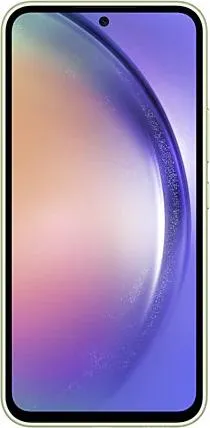

1. Specifications Comparison
| Feature | Samsung Galaxy A54 | Apple iPhone 15 | Practical Impact |
|---|---|---|---|
| Design | |||
| Dimensions (mm) | 158.2 x 76.7 x 8.2 | 147.6 x 71.6 x 7.8 | iPhone 15 is noticeably smaller and slightly thinner, making it more pocketable. |
| Weight (g) | 202 | 171 | iPhone 15 is lighter, reducing hand fatigue during extended use. |
| Build | Plastic Frame, Glass Front/Back | Aluminum Frame, Glass Front/Back | iPhone 15's Aluminum frame generally offers better durability. |
| Display | |||
| Display Size (inches) | 6.4 | 6.1 | A54 offers a larger screen for media consumption, while the iPhone 15 is more one-hand friendly. |
| Resolution (pixels) | 1080 x 2340 | 1179 x 2556 | iPhone 15 has a sharper display with higher pixel density (461 ppi vs 403 ppi), resulting in crisper text and images. |
| Display Type | Super AMOLED, 120Hz | Super Retina XDR OLED | Both offer excellent color accuracy and contrast. A54's 120Hz refresh rate provides smoother scrolling and animations. iPhone 15's peak brightness (2000 nits) is significantly higher, ensuring better visibility in direct sunlight. The missing refresh rate for iPhone 15 makes a direct comparison difficult. |
| Performance | |||
| Chipset | Exynos 1380 (5 nm) | Apple A16 Bionic (4 nm) | A16 Bionic significantly outperforms the Exynos 1380 in CPU and GPU performance, leading to faster app loading, smoother multitasking, and better gaming performance. |
| RAM (GB) | 8 | 6 | While the A54 has more RAM, iOS's memory management often allows iPhones to perform efficiently with less RAM. Real-world performance difference may be negligible for average users. |
| OS | Android 13 | iOS 17 | Different operating systems cater to different preferences. Android offers more customization, while iOS is known for its simplicity and user-friendliness. |
| Camera | |||
| Rear Camera (MP) | 50 MP Main, 13 MP Ultrawide, 5 MP Macro | 48 MP Main, 12 MP Ultrawide | While megapixel count is higher on the A54's main camera, iPhone 15 consistently receives higher DxOMark scores (145 vs 107), indicating superior overall image quality. iPhone's video capabilities are also notably stronger based on specifications. |
| Front Camera (MP) | 32 MP | 12 MP | A54 boasts a higher resolution front camera, but image quality depends on factors beyond megapixels. |
| Battery | |||
| Capacity (mAh) | 5000 | 3349 (Stated) / 3877 (Rumored) | A54 has a larger battery capacity, potentially leading to longer battery life. However, real-world battery life is influenced by various factors, including software optimization. Discrepancy in iPhone battery specs makes direct comparison difficult. |
| Fast Charging | 25W | 20W (Stated) / 15W MagSafe Wireless | Both support fast charging, but speeds may vary in practice. iPhone offers MagSafe wireless charging. |
2. Key Differences Analysis
Samsung Galaxy A54 Advantages:
- Larger Display: Better for media consumption and multitasking.
- Higher Refresh Rate Display: Smoother scrolling and animations.
- Larger Battery: Potential for longer battery life.
- More Affordable: Typically priced lower than the iPhone 15.
Apple iPhone 15 Advantages:
- Significantly Faster Performance: Due to the powerful A16 Bionic chip.
- Superior Camera System: Consistently higher DxOMark scores and more advanced video features.
- More Compact and Lightweight: Easier to handle and carry.
- Premium Build Quality: Aluminum frame generally provides better durability.
3. User Profiles & Recommendations
Samsung Galaxy A54: Ideal for users who prioritize a large display, long battery life, and affordability. Excellent for media consumption, social media, and casual gaming.
Apple iPhone 15: Ideal for users who prioritize performance, camera quality, and a premium user experience. Excellent for demanding tasks, mobile photography/videography, and gaming.
4. Decision Framework
Key Questions for Buyers:
- What is your budget? The A54 offers better value for its price.
- What are your primary use cases? (e.g., media consumption, gaming, photography).
- Which operating system do you prefer? (Android or iOS)
Scenario-Based Recommendations:
- Tight Budget, Casual User: Samsung Galaxy A54
- Power User, Photographer/Videographer: Apple iPhone 15
My Choice: Apple iPhone 15
While the Samsung Galaxy A54 offers a compelling package for its price, I would choose the Apple iPhone 15. The significantly superior performance of the A16 Bionic chip, coupled with the consistently praised camera system and premium build quality, outweighs the benefits of the A54's larger display and battery for my personal needs. I value a smooth and responsive user experience, and the iPhone 15 excels in this area. Additionally, the compact form factor is more appealing to me. While the price difference is significant, I prioritize long-term performance and user experience. The more robust build quality of the aluminum frame on the iPhone would likely contribute to a longer usable lifespan for the device, making the higher initial cost more palatable over time.
