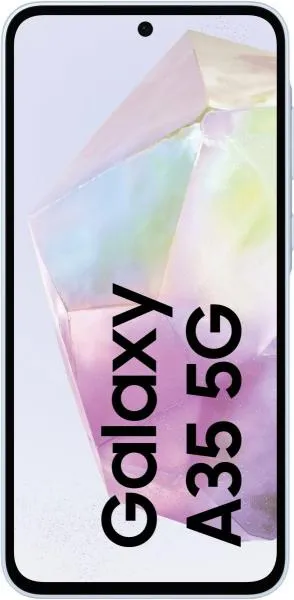
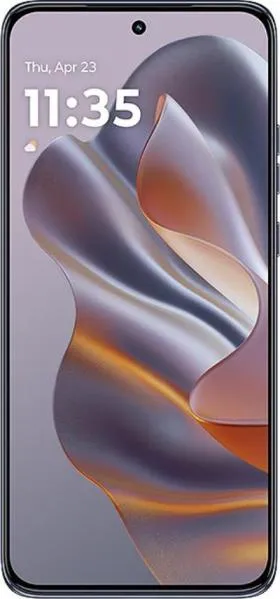
Samsung Galaxy A35 vs. Motorola Edge 50 Neo: A Detailed Comparison
Choosing the right smartphone can feel like navigating a minefield of specs and marketing jargon. As a tech journalist with an engineering background, I'm here to cut through the noise and help you understand what truly matters when comparing the Samsung Galaxy A35 and the Motorola Edge 50 Neo.
1. Specifications Breakdown
Let's dive into a head-to-head comparison of their key features and what they mean for you:
| Feature | Samsung Galaxy A35 | Motorola Edge 50 Neo | Real-World Implications |
|---|---|---|---|
| Design | |||
| Dimensions | 161.7 x 78 x 8.2 mm | 154.1 x 71.2 x 8.1 mm | Neo is slightly smaller, potentially more comfortable for one-handed use. |
| Weight | 209g | 171g | Neo is noticeably lighter, reducing hand fatigue during extended use. |
| Display | |||
| Size | 6.6 inches | 6.4 inches | A35 offers a slightly larger viewing area. |
| Type | Super AMOLED, 120Hz | LTPO P-OLED, 120Hz | Both offer smooth scrolling and vibrant colors. LTPO on the Neo can dynamically adjust refresh rate for better battery life. |
| Resolution | 1080 x 2340 | 1256 x 2760 | Neo has a sharper display with higher pixel density, resulting in crisper images and text. |
| Peak Brightness | 1000 nits (HBM) | 3000 nits (peak) | Neo's significantly higher peak brightness ensures excellent outdoor visibility. |
| Performance | |||
| Chipset | Exynos 1380 (5nm) | Dimensity 7300 (4nm) | Both chipsets offer solid mid-range performance, though benchmarks would be needed for a definitive comparison. Dimensity 7300 being on a smaller node might offer slightly better power efficiency. |
| CPU | Octa-core (4x2.4 GHz & 4x2.0 GHz) | Octa-core (4x2.5 GHz & 4x2.0 GHz) | Neo's slightly higher clock speeds could translate to marginally faster performance in demanding tasks. |
| GPU | Mali-G68 MP5 | Mali-G615 MC2 | Gaming performance differences are likely to be minor, though the G68 generally holds a slight edge. |
| RAM | 8GB | 12GB | Neo's larger RAM enables smoother multitasking and better handling of demanding applications. |
| Storage | 128/256GB | 512GB | Neo provides significantly more storage for apps, photos, and videos. |
| Battery | |||
| Capacity | 5000 mAh | 4310 mAh | A35 has a larger battery capacity, potentially leading to longer battery life. However, Neo's LTPO display could offset this difference. |
| Software | |||
| OS | Android 14 | Android 14 | Both run the latest Android version, ensuring access to the newest features. |
| OS Updates | Up to Android 18 | Up to Android 19 | Neo is promised a longer software update cycle, meaning longer security support and feature updates. |
2. Key Insights
- Display: The Motorola Edge 50 Neo's LTPO P-OLED display with a higher resolution and dramatically brighter peak brightness stands out. This translates to a noticeably superior visual experience, especially outdoors.
- Performance: Both phones offer comparable mid-range performance, but the Neo's larger 12GB RAM and potentially more power-efficient chipset give it an edge in multitasking and sustained performance. The 512 GB storage option on the Neo is also a significant advantage for users who need ample space.
- Battery Life: This is a close call. While the A35 boasts a larger battery, the Neo's LTPO display could result in comparable or even better battery life due to its dynamic refresh rate adjustments. Real-world testing would be needed to determine a clear winner.
- Software Support: Motorola's commitment to Android 19 gives the Edge 50 Neo a significant advantage in terms of long-term software updates and security patches.
3. User Profiles and Recommendations
- Samsung Galaxy A35: Best suited for users prioritizing a larger display and potentially longer battery life who are not as concerned about having the absolute sharpest display or longest software support.
- Motorola Edge 50 Neo: Ideal for users who value a premium display experience, smooth multitasking, ample storage, and extended software support. The lighter weight and smaller form factor also make it a good choice for those who prefer a more compact phone.
4. Buying Decision Framework
- Is display quality a top priority? If yes, the Motorola Edge 50 Neo's superior display makes it the clear winner.
- How important is long-term software support? If receiving updates for a longer period is crucial, the Neo's commitment to Android 19 makes it a safer bet.
- What's your budget and storage needs? While both are mid-range, evaluate the specific pricing in your region and consider the significant storage advantage of the Neo if you need ample space for your files. If budget is very tight, the A35 with less storage might be the more affordable option.
