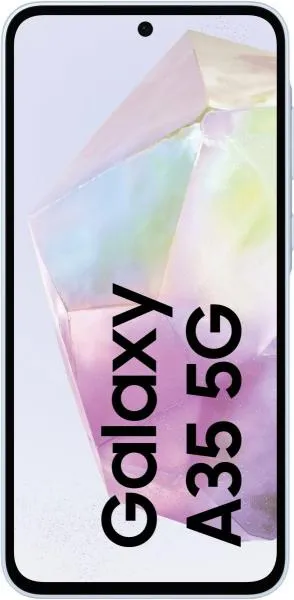
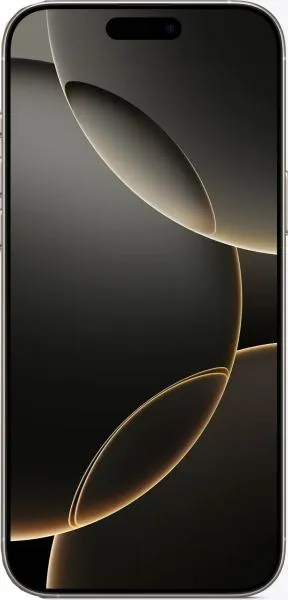
Samsung Galaxy A35 vs. Apple iPhone 16 Pro Max: A Practical Comparison
The smartphone landscape is constantly evolving, and choosing the right device can feel overwhelming. Today, we'll dissect the Samsung Galaxy A35 and the Apple iPhone 16 Pro Max, two 2024 releases targeting different segments of the market. This analysis goes beyond the spec sheet, translating technical jargon into real-world implications to help you make an informed decision.
1. Specifications Breakdown
| Feature | Samsung Galaxy A35 | Apple iPhone 16 Pro Max | Real-World Implications |
|---|---|---|---|
| Design | |||
| Dimensions | 161.7x78x8.2mm | 163x77.6x8.3mm | iPhone 16 Pro Max slightly larger, but negligible difference in hand. |
| Weight | 209g | 227g | A35 noticeably lighter, reducing hand fatigue during extended use. |
| Build Materials | Not specified | Not specified | Durability and premium feel remain unknown without further information. |
| Display | |||
| Size | 6.6" | 6.9" | iPhone offers a larger screen for immersive media consumption. |
| Type | Super AMOLED, 120Hz | LTPO Super Retina XDR OLED, 120Hz | Both offer smooth scrolling and animations thanks to 120Hz; iPhone boasts superior color accuracy and brightness with HDR10 and Dolby Vision. |
| Resolution | 1080x2340 | 1320x2868 | iPhone has a sharper display with higher pixel density (460 vs 390 PPI), resulting in crisper text and images. |
| Performance | |||
| Chipset | Exynos 1380 (5nm) | Apple A18 Pro (3nm) | A18 Pro expected to significantly outperform Exynos 1380 in speed and efficiency due to advanced node process. |
| CPU | Octa-core (4x2.4 GHz & 4x2.0 GHz) | Hexa-core (2x4.05 GHz + 4x2.42 GHz) | A18 Pro likely to deliver superior single-core and multi-core performance, crucial for demanding tasks and gaming. |
| GPU | Mali-G68 MP5 | Apple GPU (6-core) | Apple's custom GPU anticipated to provide a substantial advantage in graphics-intensive applications and gaming. |
| RAM | 8GB | 8GB | Both offer ample RAM for multitasking, though A18 Pro's architecture might utilize it more efficiently. |
| Storage | 128/256GB | 512GB/1TB | iPhone offers significantly more base storage for apps, photos, and videos. |
| Battery Life | |||
| Capacity | 5000 mAh | 4685 mAh | While A35 has larger capacity, A18's efficiency could result in comparable or even superior real-world battery life. |
| Other | |||
| OS | Android 14 | iOS 18 | Platform preference is subjective; both offer mature ecosystems with distinct advantages. |
| Price Range | Medium | High | Significant price difference; A35 targets budget-conscious users. |
2. Key Insights
- Performance Powerhouse: The iPhone 16 Pro Max, with its A18 Pro chip, is geared towards demanding users who prioritize speed, graphics, and seamless multitasking. Expect top-tier gaming performance, smooth video editing, and effortless handling of complex apps.
- Value Proposition: The Galaxy A35 shines in its value proposition. It offers a solid feature set—a vibrant AMOLED display, ample RAM, and a large battery—at a more accessible price point.
- Display Differences: While both phones offer 120Hz refresh rates, the iPhone 16 Pro Max pulls ahead with its superior resolution, brightness, and HDR capabilities. This translates to a noticeably richer and more immersive visual experience, especially for consuming HDR content.
3. User Profiles and Recommendations
- iPhone 16 Pro Max: Ideal for power users, content creators, mobile gamers, and those who demand the absolute best in performance and display quality. The premium price tag reflects its flagship status.
- Samsung Galaxy A35: Suited for budget-conscious users, casual gamers, and those who prioritize a smooth user experience and long battery life without breaking the bank. It's a strong contender in the mid-range segment.
4. Buying Decision Framework
- What's your budget? The iPhone 16 Pro Max commands a significantly higher price. If cost is a major factor, the A35 presents a compelling alternative.
- What are your primary use cases? For demanding tasks like video editing or high-end gaming, the iPhone's superior performance is crucial. For everyday use, web browsing, social media, and casual gaming, the A35 offers ample power.
- Which ecosystem do you prefer? Your choice between Android and iOS will largely depend on personal preference, app availability, and existing device integration. Consider factors like cloud services, app libraries, and overall user experience when making this decision.
