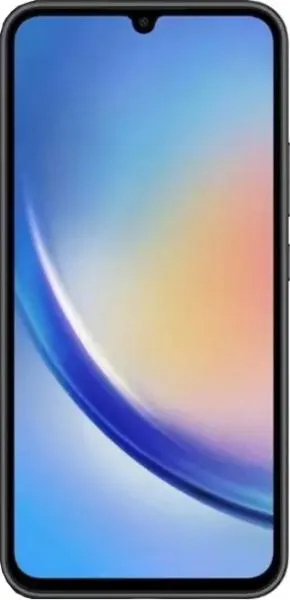
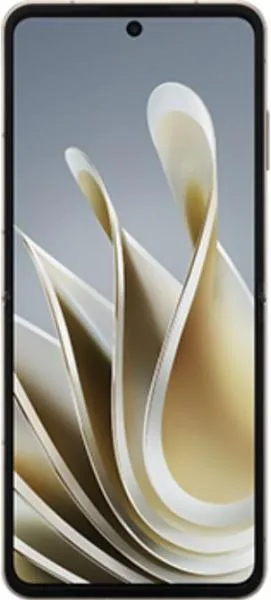
1. Specifications Comparison
| Feature | Samsung Galaxy A34 | ZTE nubia Flip | Practical Impact |
|---|---|---|---|
| Design | |||
| Dimensions (mm) | 161.3 x 78.1 x 8.2 | 170 x 75.5 x 7 | Nubia Flip is taller and narrower when unfolded, A34 is slightly thinner. Nubia's foldable design offers portability. |
| Weight (g) | 199 | 214 | Nubia Flip is slightly heavier, but typical for a foldable. |
| Foldable | No | Yes | Nubia Flip's foldable design allows for a larger screen in a pocketable form factor. |
| Display | |||
| Display Size (inches) | 6.6 | 6.9 | Nubia Flip offers a larger screen for media consumption and multitasking. |
| Resolution (px) | 1080 x 2340 | 1188 x 2790 | Nubia Flip has a higher resolution, resulting in sharper images and text. |
| Display Type | Super AMOLED, 120Hz | Foldable OLED, 120Hz | Both offer smooth scrolling and vibrant colors. Durability of the Nubia Flip's folding screen is a key consideration. |
| PPI | 390 | 439 | Nubia Flip has a higher pixel density, leading to a sharper image. |
| Performance | |||
| Chipset | Mediatek Dimensity 1080 (6 nm) | Qualcomm Snapdragon 7 Gen 1 (4 nm) | Snapdragon 7 Gen 1 generally offers better performance and efficiency. |
| CPU | Octa-core (2x2.6 GHz Cortex-A78 & 6x2.0 GHz Cortex-A55) | Octa-core (1x2.4 GHz Cortex-A710 & 3x2.36 GHz Cortex-A710 & 4x1.8 GHz Cortex-A510) | Snapdragon 7 Gen 1's architecture should provide superior performance in demanding tasks. |
| GPU | Mali-G68 MC4 | Adreno 644 | Adreno 644 generally provides better gaming and graphics performance. |
| RAM (GB) | 6/8 | 8/12 | Nubia Flip offers more RAM in its higher-end configuration, enabling better multitasking. |
| Camera | |||
| Rear Camera (MP) | 48MP Main, 8MP Ultrawide, 5MP Macro, 5MP Depth | 50MP Main, 2MP Depth | A34 offers greater versatility with an ultrawide and macro lens. Image quality comparison requires real-world testing, as megapixels alone aren't decisive. Nubia Flip lacks specifics on sensor size and model, hindering detailed comparison. |
| Front Camera (MP) | 13MP | 16MP | Nubia Flip has a higher resolution front camera, but practical differences depend on sensor quality, which is unknown for the Nubia. |
| Video Capabilities | 4K@30fps, 1080p@30/60fps | Unspecified | A34's video capabilities are clearly defined, while the Nubia Flip's are missing, making comparison impossible. |
| Battery | |||
| Capacity (mAh) | 5000 | 4310 | A34 has a significantly larger battery, likely resulting in longer battery life. |
| Fast Charging (W) | 25W | 33W | Nubia Flip charges faster, but the larger battery of the A34 might still result in less overall charging time. |
2. Key Differences Analysis
Samsung Galaxy A34 Advantages:
- Longer Battery Life: Larger 5000mAh battery.
- More Versatile Camera System: Includes ultrawide and macro lenses.
- Lighter and Thinner (for a traditional phone): More comfortable for one-handed use.
ZTE nubia Flip Advantages:
- Foldable Design: Offers a larger screen in a more compact form factor.
- Higher Resolution Display: Sharper visuals.
- More Powerful Processor and GPU: Better performance for demanding tasks and gaming.
- Faster Charging: 33W fast charging.
3. User Profiles & Recommendations
Samsung Galaxy A34: Ideal for users who prioritize battery life, camera versatility, and a more affordable price. Suitable for everyday tasks, social media, and casual photography.
ZTE nubia Flip: Ideal for users who prioritize a large screen for media consumption and multitasking but want a compact device. Suitable for those who value portability and cutting-edge technology.
4. Decision Framework
Key Questions for Buyers:
- How important is portability versus battery life? Foldable design sacrifices battery capacity for portability.
- What are your primary use cases? Media consumption, gaming, or everyday tasks?
- What is your budget? The Nubia Flip is likely more expensive.
My Choice: Samsung Galaxy A34
While the ZTE nubia Flip offers exciting features like a foldable display and a more powerful processor, the Samsung Galaxy A34 better suits my needs. I prioritize battery life and camera versatility, which the A34 clearly excels in. The significantly larger battery capacity is a major deciding factor. While I appreciate the innovative design of the Nubia Flip, the potential trade-offs in battery life and the lack of clear video recording specifications are concerning. The A34 offers a well-rounded package at a likely more affordable price point, making it the more practical choice for my everyday usage. The known video capabilities and versatile camera system of the A34 solidify its position as the preferable device for me. Foldable phones are exciting, but the A34 represents a more mature and reliable technology at this point.
