1. Specifications Comparison
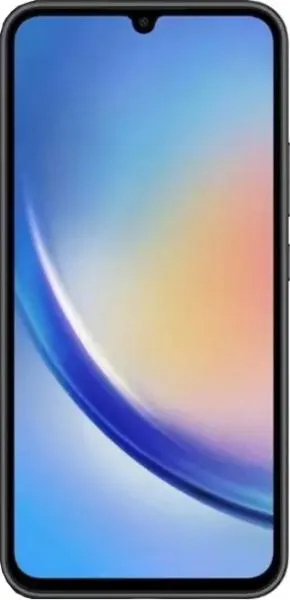
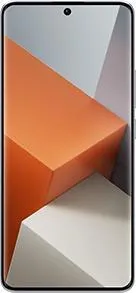
| Feature | Samsung Galaxy A34 | Xiaomi Redmi Note 13 Pro+ | Practical Impact |
|---|---|---|---|
| Design | |||
| Dimensions (mm) | 161.3 x 78.1 x 8.2 | 161.4 x 74.2 x 8.9 | Redmi is slightly narrower but thicker. Negligible difference in daily use. |
| Weight (g) | 199 | 199 | Identical weight. |
| Display | |||
| Size (inches) | 6.6 | 6.67 | Redmi has a slightly larger display, providing marginally more screen real estate. |
| Resolution (px) | 1080 x 2340 | 1220 x 2712 | Redmi boasts a significantly sharper display with higher pixel density, resulting in crisper text and images. |
| Type | Super AMOLED, 120Hz | AMOLED, 120Hz | Both offer smooth scrolling and animations thanks to the 120Hz refresh rate. AMOLED technology ensures vibrant colors and deep blacks. Redmi's claimed 1800 nits peak brightness surpasses A34's 1000nits offering superior outdoor visibility. |
| HDR | No Dolby Vision, HDR10/10+ unspecified | Dolby Vision, HDR10+ | Redmi offers a superior HDR experience with wider color gamut and dynamic range, enhancing video and gaming visuals. |
| Performance | |||
| Chipset | Mediatek Dimensity 1080 (6 nm) | Mediatek Dimensity 7200 Ultra (4 nm) | Redmi's 4nm chipset should offer better power efficiency and potentially higher sustained performance compared to the A34's 6nm chipset. "Ultra" designation suggests potential performance advantages for the Redmi but real-world testing is needed to confirm. |
| CPU | Octa-core (2x2.6 GHz Cortex-A78 & 6x2.0 GHz Cortex-A55) | Octa-core (2x2.8 GHz Cortex-A715 & 6x2.0 GHz Cortex-A510) | Redmi's newer CPU architecture (Cortex-A715) might offer performance and efficiency improvements over the A34's Cortex-A78 cores. Clock speed differences are minor. |
| GPU | Mali-G68 MC4 | Mali-G610 MC4 | While both use Mali GPUs, architectural differences exist. Real-world gaming performance needs further comparison. |
| RAM | 6GB/8GB | 8GB/12GB/16GB | Redmi offers higher RAM options, enabling better multitasking and smoother performance with demanding applications. |
| Camera | |||
| Main Camera (MP) | 48 | 200 | Redmi boasts a much higher resolution main sensor potentially capturing more detail. However, megapixel count isn't everything; sensor size and processing play a crucial role in image quality. |
| DxOMark Score | 92 | 121 | Redmi scores significantly higher in DxOMark tests, indicating superior overall camera performance. |
| Battery | |||
| Capacity (mAh) | 5000 | 5000 | Identical battery capacity. |
| Fast Charging (W) | 25 | 120 | Redmi supports significantly faster charging, drastically reducing charging times. |
2. Key Differences Analysis
Samsung Galaxy A34 Advantages:
- Potentially Lower Price: Typically positioned at a more affordable price point within the mid-range segment.
Xiaomi Redmi Note 13 Pro+ Advantages:
- Superior Display: Sharper, brighter, and with better HDR support.
- Faster Performance: More powerful and efficient chipset, newer CPU architecture, and higher RAM options.
- Significantly Better Camera: Higher resolution main sensor, better DxOMark score, indicating superior image quality.
- Much Faster Charging: 120W fast charging drastically reduces downtime.
3. User Profiles & Recommendations
Samsung Galaxy A34: Budget-conscious users who prioritize basic smartphone functionality and a decent AMOLED display. Suitable for everyday tasks like web browsing, social media, and casual photography.
Xiaomi Redmi Note 13 Pro+: Users who demand high performance, a top-notch display, and excellent camera capabilities. Ideal for mobile gaming, content consumption, and photography enthusiasts.
4. Decision Framework
Key Questions for Buyers:
- What is your budget? The A34 is likely more affordable.
- What are your performance needs? Gaming and demanding tasks favor the Redmi Note 13 Pro+.
- How important is camera quality and charging speed? The Redmi significantly outperforms the A34 in these areas.
My Choice: Xiaomi Redmi Note 13 Pro+
While the Samsung Galaxy A34 might be a decent budget option, the Xiaomi Redmi Note 13 Pro+ offers a compelling package with its superior display, performance, camera, and charging capabilities. The significantly faster charging alone is a huge convenience in today's fast-paced world. The improved display and camera system make it a more enjoyable device for media consumption and capturing memories. While pricing may vary, the overall value proposition of the Redmi Note 13 Pro+ makes it the clear winner for me. I prioritize performance, a great screen, and fast charging, and the Redmi delivers on all fronts.
