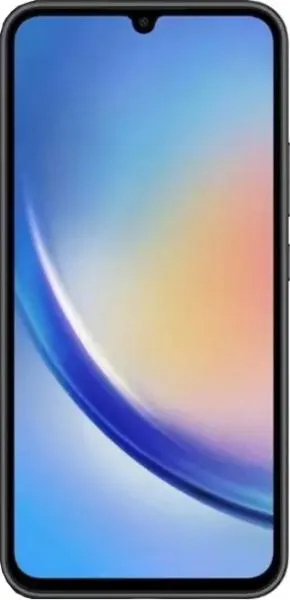
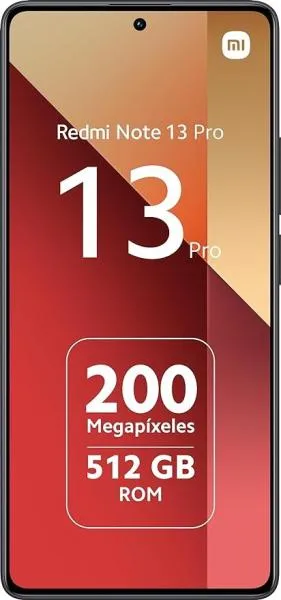
1. Specifications Comparison
| Feature | Samsung Galaxy A34 | Xiaomi Redmi Note 13 Pro 4G | Practical Impact |
|---|---|---|---|
| Design | |||
| Dimensions (mm) | 161.3 x 78.1 x 8.2 | 161.1 x 75 x 8 | Redmi is slightly narrower and thinner. Negligible difference in daily use. |
| Weight (g) | 199 | 188 | Redmi is slightly lighter, potentially more comfortable for extended use. |
| Display | |||
| Size (inches) | 6.6 | 6.67 | Negligible difference in screen real estate. |
| Resolution (px) | 1080 x 2340 | 1080 x 2400 | Similar sharpness; Redmi's slightly taller aspect ratio might offer more vertical content. |
| Type | Super AMOLED | AMOLED | Samsung likely offers more vibrant colors and deeper blacks due to Super AMOLED. |
| Refresh Rate (Hz) | 120 | 120 | Both offer smooth scrolling and animations. |
| Peak Brightness (nits) | 1000 (HBM) | 1300 (peak) | Redmi should be more visible in direct sunlight. |
| Performance | |||
| Chipset | Mediatek Dimensity 1080 (6 nm) | Mediatek Helio G99 Ultra | Dimensity 1080 generally offers better performance in benchmarks and gaming. |
| CPU | Octa-core (2x2.6 GHz Cortex-A78 & 6x2.0 GHz Cortex-A55) | Octa-core (2x2.2 GHz Cortex-A76 & 6x2.0 GHz Cortex-A55) | A34's CPU configuration suggests better multi-core performance for demanding tasks. |
| GPU | Mali-G68 MC4 | Mali-G57 MC2 | A34's GPU is significantly more powerful, resulting in smoother gaming and faster graphics rendering. |
| RAM (GB) | 6/8 | 8/12 | Redmi offers higher RAM options, potentially benefiting multitasking and heavy app usage. |
| Camera | |||
| Main Camera (MP) | 48 | 200 | Redmi boasts a much higher resolution main sensor, potentially capturing more detail. However, megapixels alone don't guarantee image quality. |
| Video Recording | 4K@30fps | 1080p@60fps | A34 offers 4K video recording, providing higher resolution footage. |
| Battery | |||
| Capacity (mAh) | 5000 | 5000 | Similar battery capacities suggest comparable battery life, although real-world usage varies. |
| Fast Charging (W) | 25 | 67 | Redmi offers significantly faster charging, minimizing downtime. |
2. Key Differences Analysis
Samsung Galaxy A34 Advantages:
- Superior GPU: Significantly better gaming and graphics performance.
- 4K Video Recording: Higher resolution video capture.
- Potentially Better Display: Super AMOLED generally offers better color accuracy and contrast.
Xiaomi Redmi Note 13 Pro 4G Advantages:
- Faster Charging: Significantly reduced charging time.
- Higher Resolution Main Camera: Potential for more detailed photos (dependent on sensor and processing quality).
- Higher RAM Options: Better for heavy multitasking and future-proofing.
- Brighter Display: Better visibility in bright sunlight.
3. User Profiles & Recommendations
Samsung Galaxy A34: Users who prioritize gaming performance, video recording quality, and vibrant display colors. Suitable for mobile gamers, content creators, and those who consume media frequently.
Xiaomi Redmi Note 13 Pro 4G: Users who prioritize fast charging, a high-resolution camera for stills, and a bright display for outdoor use. Suitable for social media enthusiasts, casual photographers, and users who need minimal charging time.
4. Decision Framework
Key Questions for Buyers:
- What are your primary smartphone usage patterns (gaming, photography, social media, etc.)?
- How important is fast charging to you?
- What is your budget and how much value do you place on specific features?
My Choice: Samsung Galaxy A34
While the Redmi Note 13 Pro 4G offers a higher resolution main camera, faster charging, and more RAM, the Samsung Galaxy A34's superior GPU and 4K video recording capabilities are more significant to me. I prioritize a smooth user experience for gaming and content consumption, and the A34's Dimensity 1080 and Mali-G68 MC4 deliver in this regard. The ability to record 4K video is also valuable. While faster charging is convenient, I'm willing to compromise in that area for the performance benefits of the A34. Finally, while the Redmi boasts a 200MP camera, real-world image quality depends on factors beyond resolution, and Samsung's track record with image processing gives me more confidence in the A34's overall camera performance. The potentially superior display quality of the Super AMOLED screen also sways me toward the A34.
