1. Specifications Comparison
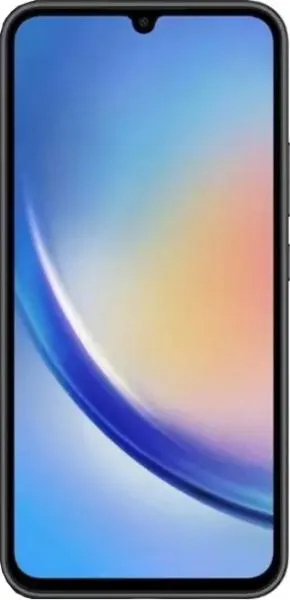
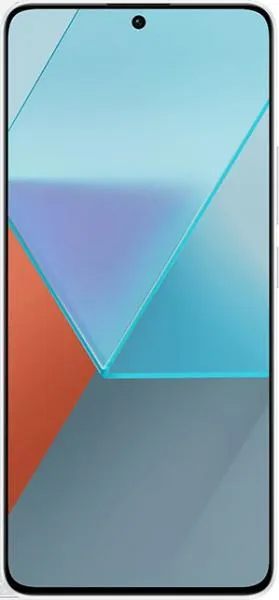
| Feature | Samsung Galaxy A34 | Xiaomi Redmi Note 13 Pro | Practical Impact |
|---|---|---|---|
| Design | |||
| Dimensions (mm) | 161.3 x 78.1 x 8.2 | 161.2 x 74.2 x 8.0 | Virtually identical in size, negligible difference in hand feel. |
| Weight (g) | 199 | 187 | Redmi is slightly lighter, enhancing one-handed use. |
| Display | |||
| Size (inches) | 6.6 | 6.67 | Negligible difference in screen real estate. |
| Resolution (px) | 1080 x 2340 | 1220 x 2712 | Redmi has a sharper display with more detail noticeable in text and images. |
| Display Type | Super AMOLED, 120Hz | AMOLED, 120Hz, Dolby Vision | Both offer smooth scrolling; Redmi's Dolby Vision support provides better HDR video playback. Redmi's higher peak brightness (1800 nits vs unknown for A34) makes it more usable in direct sunlight. |
| PPI | 390 | 446 | Redmi offers a noticeably sharper display. |
| Performance | |||
| Chipset | Mediatek Dimensity 1080 (6 nm) | Qualcomm Snapdragon 7s Gen 2 (4 nm) | Snapdragon 7s Gen 2 generally provides better performance and efficiency due to the 4nm process. |
| CPU | Octa-core (2x2.6 GHz Cortex-A78 & 6x2.0 GHz Cortex-A55) | Octa-core (4x2.4 GHz Cortex-A78 & 4x1.95 GHz Cortex-A55) | Redmi's CPU configuration suggests better multi-core performance. |
| GPU | Mali-G68 MC4 | Adreno 710 | Adreno 710 generally provides superior gaming performance compared to the Mali-G68 MC4. |
| RAM (GB) | 6/8 | 8/12/16 | Redmi offers configurations with more RAM, enabling better multitasking and smoother performance with demanding apps. |
| Camera | |||
| Main Camera (MP) | 48 | 200 | Redmi boasts significantly higher resolution, potentially capturing more detail. |
| DxOMark Score | 92 | 120 | Redmi scores considerably higher in DxOMark tests, indicating superior overall camera quality. |
| Video Capabilities | 4K@30fps | 4K@30fps with EIS | Both offer 4K recording; Redmi includes Electronic Image Stabilization (EIS) for smoother video footage. |
| Battery | |||
| Capacity (mAh) | 5000 | 5100 | Negligible difference in battery capacity. |
| Fast Charging (W) | 25 | 67 | Redmi offers significantly faster charging, minimizing downtime. |
2. Key Differences Analysis
Samsung Galaxy A34 Advantages:
- Potentially Lower Price: While prices fluctuate, A34 generally sits at a lower price point.
Xiaomi Redmi Note 13 Pro Advantages:
- Superior Performance: The Snapdragon 7s Gen 2 chip and higher RAM options offer a noticeable performance advantage for demanding tasks and gaming.
- Sharper Display: Higher resolution and PPI translate to a crisper viewing experience.
- Significantly Better Camera: The 200MP main sensor and higher DxOMark score suggest superior image quality.
- Faster Charging: 67W fast charging drastically reduces charging time.
- Dolby Vision: Offers better HDR video playback quality.
- Brighter Display: Redmi's display gets much brighter, making it easier to see outdoors.
Trade-offs:
- Software Updates: Samsung generally provides longer software updates compared to Xiaomi. A34 has a higher maximum Android version listed (17 vs 16).
3. User Profiles & Recommendations
Samsung Galaxy A34: Budget-conscious users prioritizing basic smartphone functionality, long software support, and reliable performance for everyday tasks.
Xiaomi Redmi Note 13 Pro: Users seeking top-tier performance, excellent camera capabilities, fast charging, and an immersive display for gaming, multimedia consumption, and content creation.
4. Decision Framework
Key Questions for Buyers:
- What is your budget? The A34 is likely more affordable.
- What are your performance requirements? For demanding tasks and gaming, the Redmi Note 13 Pro is significantly better.
- How important is camera quality? The Redmi Note 13 Pro offers a vastly superior camera experience.
My Choice: Xiaomi Redmi Note 13 Pro
While pricing wasn't explicitly compared, the Redmi Note 13 Pro's significant advantages in performance, camera quality, display sharpness, charging speed, and Dolby Vision support make it the clear winner for me. The slightly higher price (if any) is easily justified by the substantial upgrades. I value a smooth and responsive user experience, excellent media consumption, and capturing high-quality photos and videos, all areas where the Redmi Note 13 Pro excels. The faster charging is a significant bonus in today's fast-paced world. While Samsung's longer software update history is a consideration, the Redmi's superior hardware and features outweigh this for my personal needs.
