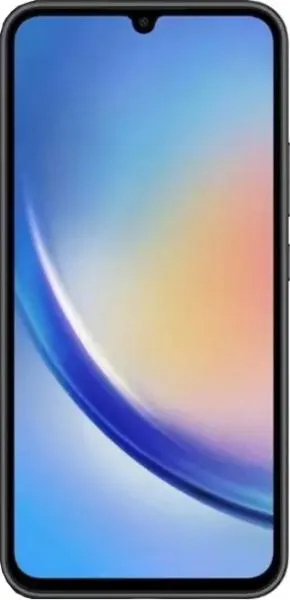
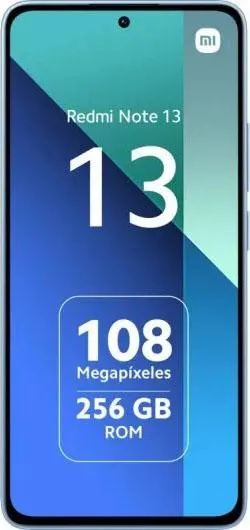
1. Specifications Comparison
| Feature | Samsung Galaxy A34 | Xiaomi Redmi Note 13 4G | Practical Impact |
|---|---|---|---|
| Design | |||
| Dimensions (mm) | 161.3 x 78.1 x 8.2 | 162.3 x 75.6 x 8.0 | A34 slightly shorter and narrower, negligible difference in thickness. |
| Weight (g) | 199 | 188.5 | Redmi slightly lighter, noticeable in extended use. |
| Display | |||
| Size (inches) | 6.6 | 6.67 | Negligible difference in screen size. |
| Resolution (px) | 1080 x 2340 | 1080 x 2400 | Very similar resolutions, sharpness comparable. |
| Type | Super AMOLED, 120Hz | AMOLED, 120Hz | A34's Super AMOLED likely offers better colors and contrast, potentially brighter outdoors. |
| Peak Brightness (nits) | 1000 (HBM) | 1800 (peak) | Redmi significantly brighter, improving outdoor visibility. |
| Performance | |||
| Chipset | Mediatek Dimensity 1080 (6 nm) | Qualcomm Snapdragon 685 (6 nm) | Dimensity 1080 generally offers better performance in benchmarks. |
| CPU | Octa-core (2x2.6 GHz Cortex-A78 & 6x2.0 GHz Cortex-A55) | Octa-core (4x2.8 GHz Cortex-A73 & 4x1.9 GHz Cortex-A53) | Dimensity 1080's newer architecture likely provides smoother multitasking and demanding app performance. |
| GPU | Mali-G68 MC4 | Adreno 610 | Mali-G68 MC4 typically offers superior graphics performance for gaming. |
| RAM (GB) | 6/8 | 8 | More RAM options for A34, 8GB generally ensures smoother multitasking. |
| Camera | |||
| Main Camera (MP) | 48 | 108 | Redmi boasts higher resolution, potentially capturing more detail but image quality depends on processing. |
| Video Recording | 4K@30fps | 1080p@30fps | A34 capable of higher resolution video recording. |
| Optical Image Stabilization | Yes | No | A34 likely to produce steadier videos and better low-light photos. |
| Battery | |||
| Capacity (mAh) | 5000 | 5000 | Identical battery capacities, expected similar battery life. |
| Fast Charging (W) | 25 | 33 | Redmi charges significantly faster. |
2. Key Differences Analysis
Samsung Galaxy A34 Advantages:
- Superior Display Quality: Super AMOLED generally offers richer colors and deeper blacks.
- Better Performance: Dimensity 1080 and Mali-G68 MC4 provide a performance advantage for demanding tasks and gaming.
- Higher Resolution Video Recording: 4K recording capability.
- Optical Image Stabilization: Results in smoother videos and improved low-light photos.
Xiaomi Redmi Note 13 4G Advantages:
- Higher Peak Brightness: Significantly brighter display for better outdoor visibility.
- Faster Charging: 33W fast charging replenishes battery quicker.
- Higher Resolution Main Camera: 108MP sensor potentially captures more detail.
- Lower Price: Generally more affordable.
3. User Profiles & Recommendations
Samsung Galaxy A34: Suitable for users who prioritize performance, display quality, and camera versatility (video recording and stabilization). Ideal for gaming, media consumption, and content creation.
Xiaomi Redmi Note 13 4G: Best for budget-conscious users who need a bright display and fast charging. Suitable for everyday tasks, social media, and casual photography.
4. Decision Framework
Key Questions for Buyers:
- What is your budget? The Redmi Note 13 4G is a more affordable option.
- What are your primary use cases? Gaming and media consumption favor the A34, while basic tasks and fast charging favor the Redmi.
- Which features are most important? Prioritize display quality and performance with the A34, or brightness and charging speed with the Redmi.
My Choice: Samsung Galaxy A34
While the Redmi Note 13 4G offers a compelling price and impressive brightness, the Samsung Galaxy A34's superior performance, overall display quality (especially color accuracy and contrast), optical image stabilization, and 4K video recording make it the better choice for me. I prioritize a smooth user experience, better camera versatility, and vibrant media consumption, which the A34 delivers more effectively. The slightly higher price is justifiable for the noticeable advantages in these areas. The faster charging of the Redmi is tempting, but the overall package of the A34 is more appealing to my needs.
