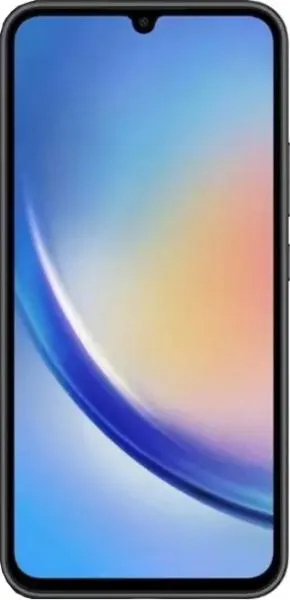
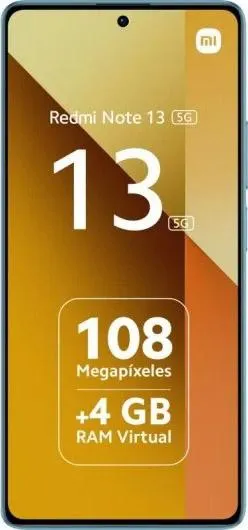
1. Specifications Comparison
| Feature | Samsung Galaxy A34 | Xiaomi Redmi Note 13 | Practical Impact |
|---|---|---|---|
| Design | |||
| Dimensions (mm) | 161.3 x 78.1 x 8.2 | 161.1 x 75 x 7.6 | Redmi Note 13 is slightly narrower and thinner. |
| Weight (g) | 199 | 174.5 | Redmi Note 13 is noticeably lighter, improving one-handed use. |
| Fingerprint Sensor | Under Display | Side-mounted | Preference-based; side-mounted can be faster, under-display feels more modern. |
| Display | |||
| Size (inches) | 6.6 | 6.67 | Negligible difference in screen real estate. |
| Resolution (px) | 1080 x 2340 | 1080 x 2400 | Virtually identical sharpness. |
| Panel Type | Super AMOLED | AMOLED | A34's Super AMOLED likely offers better color vibrancy and contrast. |
| Refresh Rate (Hz) | 120 | 120 | Both offer smooth scrolling and animations. |
| Color Depth | Unknown | 1B | Redmi Note 13 supports a wider color gamut, potentially offering more nuanced colors. |
| Performance | |||
| Chipset | Mediatek Dimensity 1080 | Mediatek Dimensity 6080 | Dimensity 1080 is more powerful, resulting in smoother multitasking and gaming. |
| CPU | Octa-core (2x2.6 GHz A78 & 6x2.0 GHz A55) | Octa-core (2x2.4 GHz A76 & 6x2.0 GHz A55) | A34's CPU has a slight edge in performance due to faster cores. |
| GPU | Mali-G68 MC4 | Mali-G57 MC2 | A34's GPU is significantly more powerful, enabling better gaming performance. |
| RAM (GB) | 6/8 | 6/8/12 | More RAM options on Redmi Note 13; 12GB variant will offer superior multitasking. |
| OS | Android 13 | Android 13 | Both run the same OS version at launch. A34 has longer promised software updates (up to Android 17). |
| Camera | |||
| Main Camera (MP) | 48 | 108 | Redmi Note 13 boasts higher resolution, potentially capturing more detail. A34 uses a known high-quality sensor (Sony IMX582). |
| Video Recording | 4K@30fps | 1080p@30fps | A34 offers superior video resolution. |
| Optical Stabilization | Yes | No | A34's OIS will result in significantly smoother videos and better low-light photos. |
| Battery | |||
| Capacity (mAh) | 5000 | 5000 | Identical battery capacity. |
| Fast Charging (W) | 25 | 33 | Redmi Note 13 charges faster. |
2. Key Differences Analysis
Samsung Galaxy A34 Advantages:
- Superior Performance: The Dimensity 1080 and Mali-G68 MC4 offer a noticeable performance advantage for demanding tasks and gaming.
- Better Video Recording: 4K recording and Optical Image Stabilization provide higher quality and smoother videos.
- Brighter Display: Super AMOLED generally offers higher peak brightness for better outdoor visibility.
- Longer Software Support: Guaranteed updates up to Android 17.
Xiaomi Redmi Note 13 Advantages:
- Faster Charging: 33W fast charging replenishes the battery quicker than the A34's 25W.
- Higher Resolution Main Camera: 108MP sensor potentially captures more detail in photos.
- Lighter and Slimmer: Noticeably more comfortable for one-handed use.
- Lower Price: Positioned in a lower price bracket.
3. User Profiles & Recommendations
Samsung Galaxy A34: Suitable for users who prioritize performance, smoother gaming, better video quality, and longer software updates. Ideal for mobile gamers, content creators, and those who keep their phones for extended periods.
Xiaomi Redmi Note 13: Best suited for budget-conscious users who prioritize fast charging, a high-resolution main camera for still photos, and a lightweight design. Good for casual users, social media enthusiasts, and those seeking value for money.
4. Decision Framework
Key Questions for Buyers:
- What is your budget? The Redmi Note 13 offers better value in the lower price range.
- What are your primary use cases? Gaming and video recording favor the A34; casual use and still photography favor the Redmi Note 13.
- How important is software support? The A34 will receive updates for a longer period.
Scenario-Based Recommendations:
- Heavy Gamer: Samsung Galaxy A34
- Budget-conscious Social Media User: Xiaomi Redmi Note 13
- Content Creator: Samsung Galaxy A34
My Choice: Samsung Galaxy A34
While the Redmi Note 13 offers compelling value, I would choose the Samsung Galaxy A34. The superior performance, significantly better GPU, guaranteed software updates until Android 17, 4K video recording with OIS, and the likely brighter Super AMOLED display outweigh the benefits of faster charging and a higher resolution main camera sensor (which may not translate to better real-world image quality due to processing and lens quality). The slightly higher price is justified for the long-term value and better overall user experience provided by the A34. The longer software support is a crucial factor for ensuring security and receiving new features over time.
