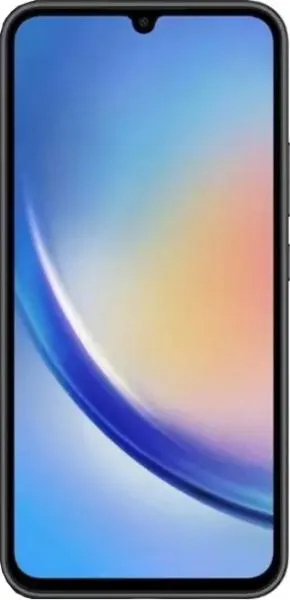
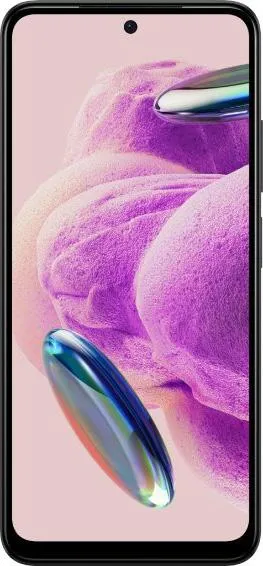
1. Specifications Comparison
| Feature | Samsung Galaxy A34 | Xiaomi Redmi Note 12S | Practical Impact |
|---|---|---|---|
| Design | |||
| Dimensions (mm) | 161.3 x 78.1 x 8.2 | 159.9 x 73.9 x 8.1 | A34 slightly taller and wider. Negligible difference in daily use. |
| Weight (g) | 199 | 176 | Redmi Note 12S noticeably lighter, more comfortable for extended use. |
| Fingerprint Sensor | Under Display | Side-mounted | Personal preference; under-display feels more modern, side-mounted potentially faster. |
| Display | |||
| Display Size (inches) | 6.6 | 6.43 | A34 slightly larger screen for more immersive content consumption. |
| Resolution (px) | 1080 x 2340 | 1080 x 2400 | Similar sharpness; negligible real-world difference. |
| Refresh Rate (Hz) | 120 | 90 | A34's 120Hz offers smoother scrolling and animations. |
| Display Type | Super AMOLED | AMOLED | A34's Super AMOLED likely offers better color accuracy and contrast, particularly in sunlight. |
| Peak Brightness (nits) | 1000 (HBM) | 1000 (peak), 700 (HBM) | A34 might have better sustained high brightness outdoors. Specific values missing for A34's typical brightness. |
| Performance | |||
| Chipset | Mediatek Dimensity 1080 (6nm) | Mediatek Helio G96 (12nm) | Dimensity 1080 significantly more powerful and power-efficient due to smaller process node. Impacts gaming, multitasking, and battery life. |
| CPU | Octa-core (2x2.6 GHz A78 & 6x2.0 GHz A55) | Octa-core (2x2.05 GHz A76 & 6x2.0 GHz A55) | A34 has faster and more modern CPU cores, resulting in noticeably better performance. |
| GPU | Mali-G68 MC4 | Mali-G57 MC2 | A34's GPU is more powerful, leading to smoother gaming and faster graphics rendering. |
| RAM (GB) | 6/8 | 6/8 | Both offer similar RAM options. 8GB provides better multitasking. |
| Camera | |||
| Main Camera (MP) | 48 | 108 | Redmi Note 12S has higher resolution, but sensor size and other factors are crucial for image quality, which are partially missing. A34 specifies sensor model allowing for further research. |
| Video Recording | 4K@30fps | 1080p@30fps | A34 capable of higher resolution video recording. |
| Optical Image Stabilization | Yes | No | A34 will have significantly better video stability and low-light performance. |
| Battery | |||
| Capacity (mAh) | 5000 | 5000 | Same capacity; actual battery life depends on optimization and usage. |
| Fast Charging (W) | 25 | 33 | Redmi Note 12S charges faster. |
2. Key Differences Analysis
Samsung Galaxy A34 Advantages:
- Superior Performance: The Dimensity 1080 offers a significant performance advantage for demanding tasks and gaming.
- Smoother Display: The 120Hz refresh rate provides a noticeably smoother user experience.
- Better Video Recording and Stabilization: 4K recording and OIS ensure higher quality videos.
- Potentially Longer Software Support: Samsung generally provides longer software updates than Xiaomi for mid-range phones.
Xiaomi Redmi Note 12S Advantages:
- Faster Charging: 33W charging significantly reduces downtime.
- Lighter Weight: More comfortable for one-handed use and extended periods.
- Higher Resolution Main Camera: Potentially better detail in photos, depending on other sensor characteristics which are partially missing.
3. User Profiles & Recommendations
Samsung Galaxy A34: Users who prioritize performance, a smooth display, long-term software updates, and good video recording. Ideal for gamers, power users, and content consumers.
Xiaomi Redmi Note 12S: Users seeking a lightweight phone with fast charging and a high-resolution main camera at a potentially lower price. Suitable for casual users, social media enthusiasts, and budget-conscious buyers. The lack of OIS might be a deal-breaker for some.
4. Decision Framework
Key Questions for Buyers:
- What is your budget? The Redmi Note 12S is generally more affordable.
- What are your primary use cases? Gaming and demanding tasks favor the A34. Casual use and quick charging favor the Redmi Note 12S.
- How important is software support and future-proofing? Samsung typically offers longer updates.
My Choice: Samsung Galaxy A34
While the Redmi Note 12S offers faster charging and a lighter body, the Samsung Galaxy A34's superior processor, smoother display, better video capabilities, and expected longer software support make it a more compelling overall package for my needs. I prioritize performance and longevity in a smartphone, and the A34 delivers in those areas. The slightly higher price is justified by these advantages. The lack of complete camera specifications for the Redmi Note 12S makes a comprehensive camera comparison impossible, but the A34's OIS gives it a significant advantage in video recording.
