1. Specifications Comparison
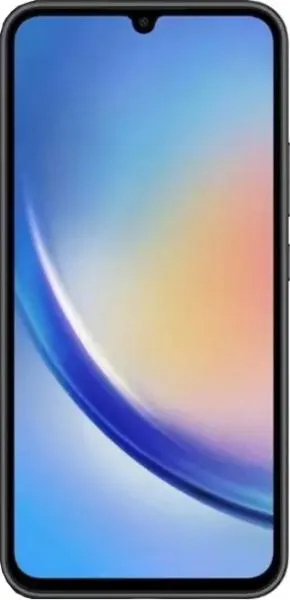
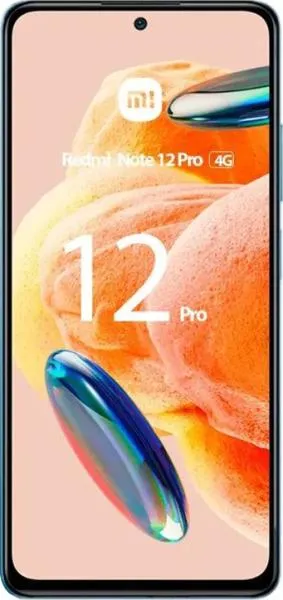
| Feature | Samsung Galaxy A34 | Xiaomi Redmi Note 12 Pro 4G | Practical Impact |
|---|---|---|---|
| Design | |||
| Dimensions (mm) | 161.3 x 78.1 x 8.2 | 164.2 x 76.1 x 8.1 | Redmi is slightly larger and heavier. Negligible difference in daily use. |
| Weight (g) | 199 | 201.8 | Redmi is slightly heavier. Negligible difference in daily use. |
| Fingerprint Sensor | Under display | Side-mounted | Personal preference. Under-display is modern, side-mounted can be faster to access. |
| Display | |||
| Size (inches) | 6.6 | 6.67 | Redmi has a marginally larger display. |
| Resolution (px) | 1080 x 2340 | 1080 x 2400 | Nearly identical sharpness. |
| Type | Super AMOLED, 120Hz | AMOLED, 120Hz, Dolby Vision | Both offer smooth scrolling thanks to 120Hz. Dolby Vision support on Redmi provides better HDR video playback. |
| Peak Brightness (nits) | 1000 (HBM) | 1100 (peak), 700 (HBM) | Redmi's higher peak brightness delivers better visibility in direct sunlight. |
| Performance | |||
| Chipset | Mediatek Dimensity 1080 (6 nm) | Qualcomm Snapdragon 732G (8 nm) | Dimensity 1080 generally offers better performance and efficiency due to newer architecture. |
| CPU | Octa-core (2x2.6 GHz A78 & 6x2.0 GHz A55) | Octa-core (2x2.2 GHz Kryo 470 & 6x1.8 GHz Kryo 470) | Dimensity 1080's higher clock speeds and newer core architecture should result in faster processing. |
| GPU | Mali-G68 MC4 | Adreno 618 | Mali-G68 MC4 generally provides better gaming performance than Adreno 618. |
| RAM | 6/8GB | 8GB | Both offer sufficient RAM for multitasking, though specific configurations vary. |
| OS | Android 13 | Android 11 | A34 ships with a newer Android version, offering potential feature and security advantages and longer software support. |
| Camera | |||
| Main Camera (MP) | 48 | 108 | Redmi boasts higher resolution, potentially capturing more detail. However, sensor size and processing also impact image quality. |
| Ultrawide (MP) | 8 | 8 | Similar ultrawide capabilities. |
| Selfie Camera (MP) | 13 | 16 | Redmi has a higher resolution selfie camera. |
| Video Recording | 4K@30fps | 4K@30fps | Equivalent video resolution. Redmi offers 960fps slow-motion vs 480fps on the A34. |
| Battery | |||
| Capacity (mAh) | 5000 | 5020 | Negligible difference in battery capacity. |
| Fast Charging (W) | 25 | 67 | Redmi offers significantly faster charging. |
2. Key Differences Analysis
Samsung Galaxy A34 Advantages:
- Newer Chipset and OS: Provides better performance, efficiency, and longer software support.
- Generally Better GPU: Offers a smoother gaming experience.
Xiaomi Redmi Note 12 Pro 4G Advantages:
- Higher Resolution Main Camera: Potential for more detailed photos.
- Faster Charging: Significantly reduces charging time.
- Dolby Vision: Enhanced HDR video playback quality.
- Higher Peak Brightness: Improved outdoor visibility.
Trade-offs:
- A34 sacrifices faster charging and higher resolution main camera for better overall performance and newer software.
- Redmi prioritizes camera resolution and charging speed over processing power and software updates.
3. User Profiles & Recommendations
Samsung Galaxy A34: Users who prioritize performance, longevity (software updates), and a smooth user experience. Ideal for gaming, multitasking, and long-term use.
Xiaomi Redmi Note 12 Pro 4G: Users who value camera resolution, fast charging, and vibrant media consumption. Suitable for photography enthusiasts, social media users, and those who need quick top-ups.
4. Decision Framework
Key Questions:
- What is your budget and which phone offers the best value within that range? Consider the features that matter most to you.
- Do you prioritize performance and software updates or camera quality and charging speed?
- How important is gaming performance to you?
Scenario-Based Recommendations:
- Heavy gamer on a budget: Samsung Galaxy A34.
- Photography enthusiast who needs fast charging: Xiaomi Redmi Note 12 Pro 4G.
- User who wants the latest software and long-term support: Samsung Galaxy A34.
My Choice: Samsung Galaxy A34
While the Redmi Note 12 Pro 4G boasts a higher resolution camera and impressively fast charging, I would choose the Samsung Galaxy A34. The newer processor and significantly newer Android version are crucial for long-term performance and software support. The superior GPU also makes it a better choice for gaming. For me, these factors outweigh the benefits of a higher resolution main camera (image quality is not solely determined by megapixels) and faster charging. The A34 offers a more well-rounded package that will likely age better.
