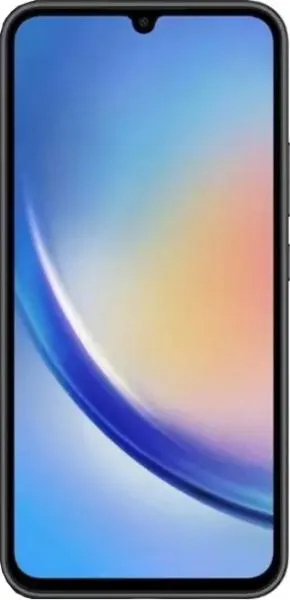
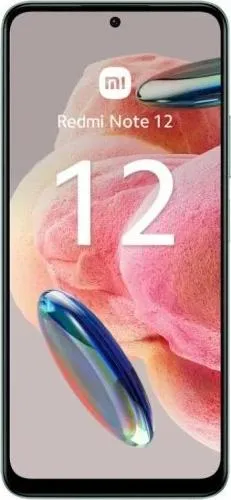
1. Specifications Comparison
| Feature | Samsung Galaxy A34 | Xiaomi Redmi Note 12 4G | Practical Impact |
|---|---|---|---|
| Design | |||
| Dimensions (mm) | 161.3 x 78.1 x 8.2 | 165.7 x 76 x 7.9 | A34 slightly shorter and wider, Redmi Note 12 slightly thinner. Negligible difference in hand feel. |
| Weight (g) | 199 | 183.5 | Redmi Note 12 noticeably lighter, reducing hand fatigue during extended use. |
| Fingerprint Sensor | Under Display | Side-mounted | Preference-based. Under-display feels more modern, side-mounted can be faster to unlock. |
| Display | |||
| Display Size (inches) | 6.6 | 6.67 | Negligible difference in screen real estate. |
| Display Type | Super AMOLED, 120Hz | AMOLED, 120Hz | A34's Super AMOLED likely offers better color accuracy, contrast, and outdoor visibility due to higher peak brightness (though unspecified for A34). |
| Peak Brightness (nits) | 1000 (HBM) | 1200 (peak) | Redmi Note 12 has higher peak brightness, improving readability in direct sunlight. |
| Resolution (px) | 1080 x 2340 | 1080 x 2400 | Virtually identical pixel density, resulting in similar sharpness. |
| Refresh Rate (Hz) | 120 | 120 | Both offer smooth scrolling and animations thanks to the high refresh rate. |
| Performance | |||
| Chipset | Mediatek Dimensity 1080 (6 nm) | Qualcomm Snapdragon 685 (6 nm) | Dimensity 1080 generally offers better performance in benchmarks, translating to smoother multitasking and potentially better gaming performance. |
| CPU | Octa-core (2x2.6 GHz Cortex-A78 & 6x2.0 GHz Cortex-A55) | Octa-core (4x2.8 GHz Cortex-A73 & 4x1.9 GHz Cortex-A53) | Dimensity 1080's newer architecture (Cortex-A78) provides a performance advantage over Snapdragon 685's Cortex-A73. |
| GPU | Mali-G68 MC4 | Adreno 610 | Mali-G68 MC4 generally provides superior graphics performance compared to Adreno 610, beneficial for gaming. |
| RAM | 6/8 GB | 4/6/8 GB | More RAM options for the A34. 8GB provides smoother multitasking and better performance with demanding apps. |
| Camera | |||
| Main Camera (MP) | 48 | 50 | While Redmi Note 12 has higher megapixels, sensor size and other factors contribute more to image quality. A34 uses a Sony IMX582, known for good performance. Practical image quality comparison requires real-world testing. |
| Video Recording | 4K@30fps | 1080p@30fps | A34 offers significantly better video recording capabilities with 4K resolution. |
| Optical Image Stabilization | Yes | No | A34's OIS will result in significantly more stable videos and potentially better low-light photos. |
| Battery | |||
| Capacity (mAh) | 5000 | 5000 | Identical battery capacity, expected similar battery life depending on usage. |
| Fast Charging (W) | 25 | 33 | Redmi Note 12 charges faster. |
2. Key Differences Analysis
Samsung Galaxy A34 Advantages:
- Superior Performance: The Dimensity 1080 and Mali-G68 MC4 offer better overall and gaming performance.
- Better Video Recording: 4K recording and Optical Image Stabilization significantly enhance video quality and stability.
- Potentially Better Display: Super AMOLED generally offers richer colors and deeper blacks.
- Longer Software Support: Expected to receive more OS updates than Redmi Note 12.
Xiaomi Redmi Note 12 4G Advantages:
- Faster Charging: 33W fast charging significantly reduces charging time.
- Lighter Weight: Noticeably lighter, improving comfort during prolonged use.
- Lower Price: Generally more affordable, especially the base model.
- Higher Peak Brightness: Better screen visibility in direct sunlight.
3. User Profiles & Recommendations
Samsung Galaxy A34: Users who prioritize performance, camera quality (especially video), display quality, and longer software updates. Ideal for mobile gaming, content creation, and those who keep their phones for several years.
Xiaomi Redmi Note 12 4G: Budget-conscious users who prioritize fast charging, a lightweight design, and primarily use their phones for basic tasks like browsing, social media, and casual photography.
4. Decision Framework
Key Questions for Buyers:
- What is your budget? The Redmi Note 12 4G offers better value for money if budget is a primary concern.
- What are your primary use cases? Gamers and content creators will benefit from the A34's superior performance and camera.
- How important is software support? If you plan to keep your phone for a long time, the A34's longer update cycle is a significant advantage.
My Choice: Samsung Galaxy A34
While the Redmi Note 12 offers excellent value, I would choose the Samsung Galaxy A34. The superior performance, significantly better video recording capabilities (4K and OIS), expected longer software support, and potentially better display quality outweigh the Redmi Note 12's advantages in price, charging speed, and weight for me. The performance difference will be noticeable in day-to-day use and future-proofs the device better. The improved camera functionality is also crucial for capturing high-quality memories. While I appreciate the Redmi Note 12's faster charging and lower weight, these factors are less critical to my personal needs.
