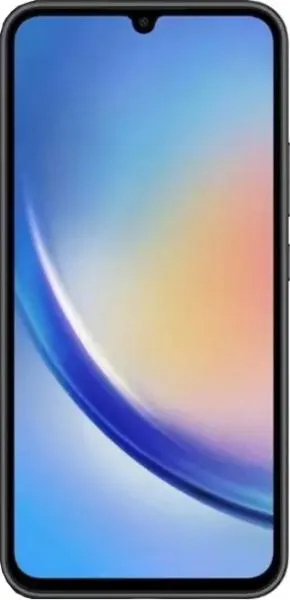
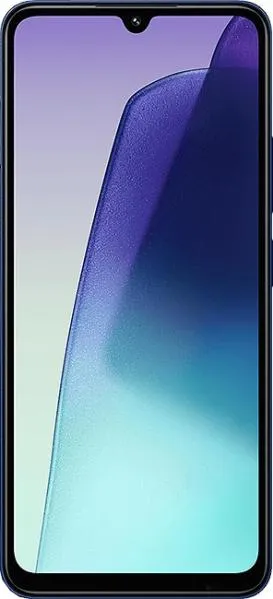
1. Specifications Comparison
| Feature | Samsung Galaxy A34 | Xiaomi Redmi 14C | Practical Impact |
|---|---|---|---|
| Design | |||
| Dimensions (mm) | 161.3 x 78.1 x 8.2 | 171.9 x 77.8 x 8.2 | Redmi 14C is noticeably taller and slightly heavier. A34 might be more pocketable. |
| Weight (g) | 199 | 211 | Redmi 14C feels slightly heavier in hand. |
| Fingerprint Sensor | Under display | Side-mounted | Preference-based, but under-display is generally considered more modern. |
| Display | |||
| Display Type | Super AMOLED | IPS LCD | A34 offers more vibrant colors, deeper blacks, and better outdoor visibility due to AMOLED technology. |
| Display Size (inches) | 6.6 | 6.88 | Redmi 14C has a slightly larger screen, providing more screen real estate for media consumption. |
| Resolution | 1080 x 2340 | 720 x 1640 | A34 has a significantly sharper display (390 ppi vs 260 ppi), resulting in clearer text and images. |
| Refresh Rate (Hz) | 120 | 120 | Both phones offer smooth scrolling and animations thanks to the 120Hz refresh rate. |
| Performance | |||
| Chipset | Mediatek Dimensity 1080 (6nm) | Mediatek Helio G81 Ultra | Dimensity 1080 offers better performance and efficiency due to its superior architecture and smaller manufacturing process. |
| CPU | Octa-core (2x2.6 GHz Cortex-A78 & 6x2.0 GHz Cortex-A55) | Octa-core (2x2.0 GHz Cortex-A75 & 6x1.8 GHz Cortex-A55) | A34's CPU has faster clock speeds and more powerful cores, leading to smoother multitasking and better performance in demanding apps. |
| GPU | Mali-G68 MC4 | Mali-G52 MC2 | A34's GPU is significantly more powerful, enabling better gaming performance and smoother graphics rendering. |
| RAM | 6/8GB | 4/6/8GB | Both offer various RAM options, but higher RAM on A34 will benefit multitasking. |
| Camera | |||
| Main Camera (MP) | 48 | 50 | While Redmi 14C boasts a higher megapixel count, A34 utilizes a known Sony sensor (IMX582), likely offering better image quality. Megapixels alone don't determine image quality. |
| Video Recording | 4K@30fps | 1080p@30fps | A34 offers higher resolution video recording capabilities. |
| Optical Image Stabilization | Yes | No | A34 will produce more stable videos and sharper low-light photos due to OIS. |
| Battery | |||
| Capacity (mAh) | 5000 | 5160 | Redmi 14C has a slightly larger battery capacity, potentially offering slightly longer battery life. |
| Fast Charging | 25W | 18W | A34 supports faster charging, reducing downtime. |
2. Key Differences Analysis
Samsung Galaxy A34 Advantages:
- Superior Display: AMOLED technology delivers vibrant colors and deep blacks. Higher resolution ensures sharper visuals.
- Better Performance: More powerful chipset and GPU translate to smoother multitasking, faster app loading, and better gaming.
- Enhanced Camera Features: Optical Image Stabilization for steadier videos and better low-light photos. 4K video recording. Known Sony sensor.
- Faster Charging: 25W fast charging minimizes downtime.
Xiaomi Redmi 14C Advantages:
- Slightly Larger Battery: Potentially longer battery life, but real-world usage will vary.
- Slightly Larger Display: More screen real estate for media consumption.
- Lower Price: Generally more affordable, depending on the configuration.
3. User Profiles & Recommendations
Samsung Galaxy A34: Users who prioritize display quality, performance, camera features, and faster charging. Suitable for:
- Mobile gamers
- Photography enthusiasts
- Users who consume a lot of media
Xiaomi Redmi 14C: Budget-conscious users who prioritize battery life and a large screen. Suitable for:
- Casual users primarily focused on basic tasks like calling, texting, and browsing.
- Users seeking maximum screen real estate for reading or watching videos.
4. Decision Framework
Key Questions for Buyers:
- What is your budget? The Redmi 14C is generally cheaper.
- What are your primary smartphone usage patterns? Gaming, photography, and media consumption benefit from the A34's superior performance and display. Basic tasks might be sufficiently handled by the Redmi 14C.
- Which features are most important to you? Prioritize display quality, performance, and camera? Choose the A34. Prioritize battery life and affordability? Consider the Redmi 14C.
My Choice: Samsung Galaxy A34
While the Redmi 14C offers a larger battery and display at a lower price, the Samsung Galaxy A34 is the better overall package for my needs. The significantly superior display, performance, camera system (especially with OIS), and faster charging outweigh the minor advantages of the Redmi 14C. The sharper resolution and AMOLED technology of the A34 would provide a much more enjoyable experience for media consumption and general usage. I also value the future-proofing offered by the more powerful processor. While price is a factor, the difference in performance and features justifies the higher cost for a device I'll be using daily.
