1. Specifications Comparison
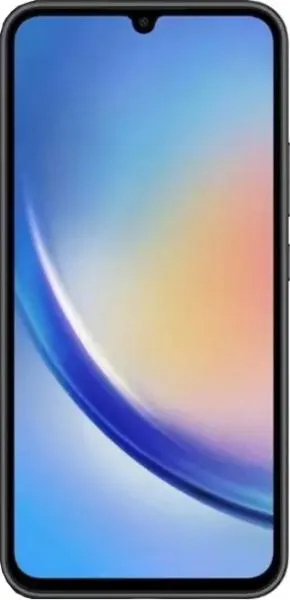
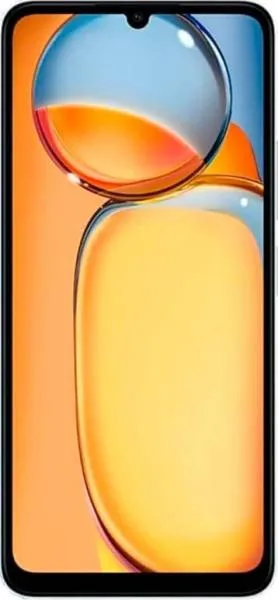
| Feature | Samsung Galaxy A34 | Xiaomi Redmi 13C | Practical Impact |
|---|---|---|---|
| Design | |||
| Dimensions (mm) | 161.3 x 78.1 x 8.2 | 168 x 78 x 8.1 | Redmi 13C is slightly taller and thicker. Negligible difference in everyday use. |
| Weight (g) | 199 | 192 | Redmi 13C is marginally lighter, but the difference is insignificant. |
| Fingerprint Sensor | Under display | Side-mounted | Preference-based; under-display is often perceived as more modern. |
| Display | |||
| Display Type | Super AMOLED, 120Hz | IPS LCD, 90Hz | A34 offers richer colors, deeper blacks, and smoother scrolling due to AMOLED and higher refresh rate. |
| Size (inches) | 6.6 | 6.74 | Redmi 13C has a slightly larger screen. |
| Resolution | 1080 x 2340 | 720 x 1600 | A34 has a significantly sharper display (390 ppi vs 260 ppi), resulting in clearer text and images. |
| Performance | |||
| Chipset | Mediatek Dimensity 1080 (6nm) | Mediatek Helio G85 (12nm) | A34's Dimensity 1080 is more powerful and efficient due to smaller node size, leading to better performance and battery life. |
| CPU | Octa-core (2x2.6 GHz Cortex-A78 & 6x2.0 GHz Cortex-A55) | Octa-core (2x2.0 GHz Cortex-A75 & 6x1.8 GHz Cortex-A55) | A34 boasts faster CPU cores, translating to smoother multitasking and faster app loading. |
| GPU | Mali-G68 MC4 | Mali-G52 MC2 | A34's GPU is significantly more powerful, resulting in better gaming performance and smoother graphics rendering. |
| RAM | 6/8GB | 4/6/8GB | More RAM (8GB) on both devices enables better multitasking; however, the base model Redmi 13C only has 4GB which can lead to performance constraints. |
| Camera | |||
| Main Camera | 48MP, f/1.8, OIS | 50MP, f/1.8 | While Redmi 13C has a higher megapixel count, A34 benefits from Optical Image Stabilization (OIS) for sharper photos and videos, especially in low light. Sensor quality details are incomplete to make a thorough comparison. |
| Video Recording | 4K@30fps | 1080p@30fps | A34 supports higher resolution video recording. |
| Battery | |||
| Capacity | 5000 mAh | 5000 mAh | Similar battery capacity on both phones. |
| Fast Charging | 25W | 18W | A34 supports faster charging. |
2. Key Differences Analysis
Samsung Galaxy A34 Advantages:
- Superior Display: AMOLED technology with 120Hz refresh rate provides a significant visual advantage.
- Better Performance: More powerful chipset and GPU, leading to smoother overall experience.
- Faster Charging: 25W fast charging reduces downtime.
- Optical Image Stabilization: Results in clearer photos and videos, particularly in low light.
Xiaomi Redmi 13C Advantages:
- Lower Price: Offers a more budget-friendly option.
- Slightly Larger Display: Provides more screen real estate. (Though with lower resolution).
Trade-offs:
- Redmi 13C: Sacrifices performance, display quality, and camera features for affordability.
- A34: Costs more than Redmi 13C.
3. User Profiles & Recommendations
Samsung Galaxy A34: Suited for users who prioritize performance, display quality, camera capabilities, and a smooth user experience. Ideal for gaming, media consumption, and multitasking.
Xiaomi Redmi 13C: Best suited for budget-conscious users who primarily use their phones for basic tasks like calling, texting, browsing, and social media. Acceptable for light gaming but may struggle with demanding applications.
4. Decision Framework
Key Questions for Buyers:
- What is your budget? Redmi 13C is significantly cheaper.
- What are your primary phone usage patterns? Gaming and media consumption benefit from A34's superior hardware.
- How important is display quality and camera performance? A34 significantly outperforms Redmi 13C in these areas.
Scenario-Based Recommendations:
- Tight Budget, Basic Use: Redmi 13C
- Balanced Needs, Value for Money: A34
- Performance and Media Enthusiast: A34
My Choice: Samsung Galaxy A34
While the Redmi 13C offers a compelling price, the Samsung Galaxy A34 is the better overall device. The superior AMOLED display with 120Hz, the more powerful processor and GPU, faster charging, and the inclusion of OIS for the camera significantly enhance the user experience. These factors outweigh the price difference for me, as they contribute to a smoother, more enjoyable daily usage. The A34 offers a better long-term value due to its superior performance and features, which will likely remain relevant for a longer period.
