1. Specifications Comparison
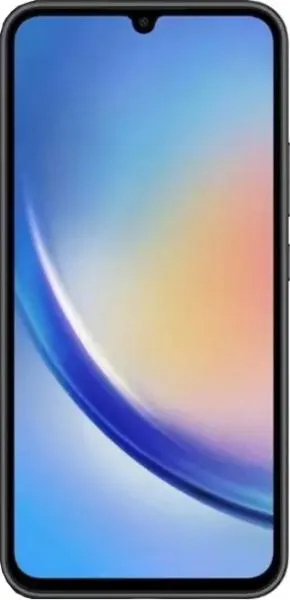
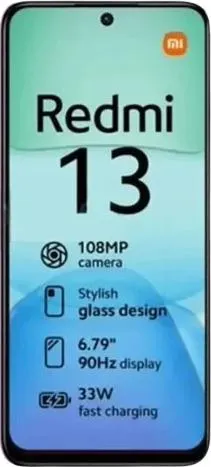
| Feature | Samsung Galaxy A34 | Xiaomi Redmi 13 | Practical Impact |
|---|---|---|---|
| Design | |||
| Dimensions (mm) | 161.3 x 78.1 x 8.2 | 168.6 x 76.3 x 8.3 | Redmi 13 is noticeably taller and slightly wider. A34 might be more pocketable. |
| Weight (g) | 199 | 205 | Negligible weight difference in practical usage. |
| Fingerprint Sensor | Under display | Side-mounted | Personal preference; under-display is often considered more modern. |
| Display | |||
| Display Type | Super AMOLED | IPS LCD | A34 will offer more vibrant colors, deeper blacks, and better power efficiency. Redmi 13's LCD may be brighter in direct sunlight. |
| Display Size (inches) | 6.6 | 6.79 | Redmi 13 has a slightly larger screen for more immersive content consumption. |
| Refresh Rate (Hz) | 120 | 90 | A34 will provide smoother scrolling and animations. |
| Resolution (px) | 1080 x 2340 | 1080 x 2460 | Similar sharpness due to similar pixel density; Redmi 13 slightly taller aspect ratio. |
| Performance | |||
| Chipset | Mediatek Dimensity 1080 (6nm) | Mediatek Helio G91 Ultra (12nm) | Dimensity 1080 offers better performance and power efficiency due to smaller manufacturing process node (6nm vs 12nm). |
| CPU | Octa-core (2x2.6 GHz Cortex-A78 & 6x2.0 GHz Cortex-A55) | Octa-core (2x2.0 GHz Cortex-A75 & 6x1.8 GHz Cortex-A55) | A34 has faster and more powerful CPU cores, leading to better performance in demanding tasks and multitasking. |
| GPU | Mali-G68 MC4 | Mali-G52 MC2 | A34 will have significantly better gaming performance and graphics rendering capabilities. |
| RAM (GB) | 6/8 | 6/8 | Both offer sufficient RAM for most users; 8GB variant provides more headroom for multitasking. |
| Camera | |||
| Main Camera (MP) | 48 | 108 | Redmi 13 boasts higher resolution; image quality depends on sensor size, processing, and other factors not fully specified. |
| Video Recording | 4K@30fps | 1080p@30fps | A34 offers superior video recording resolution and quality. |
| Camera Features | OIS, Ultra Stable Video | A34 offers Optical Image Stabilization for steadier photos and videos. | |
| Battery | |||
| Capacity (mAh) | 5000 | 5030 | Negligible difference in battery capacity. |
| Fast Charging (W) | 25 | 33 | Redmi 13 offers faster charging speeds. |
2. Key Differences Analysis
Samsung Galaxy A34 Advantages:
- Superior Display: AMOLED technology offers vibrant colors and deeper blacks. 120Hz refresh rate delivers smoother user experience.
- Better Performance: More powerful chipset and GPU for smoother multitasking and gaming.
- Higher Quality Video Recording: 4K recording and Optical Image Stabilization (OIS).
Xiaomi Redmi 13 Advantages:
- Larger Display: Slightly larger screen size for more immersive content.
- Faster Charging: 33W fast charging tops up the battery quicker.
- Lower Price: Positioned in the "low price" range, offering potentially better value.
3. User Profiles & Recommendations
Samsung Galaxy A34: Users who prioritize display quality, performance, and overall smoother user experience. Suitable for gaming, media consumption, and demanding tasks.
Xiaomi Redmi 13: Budget-conscious users who prioritize a large screen and fast charging. Suitable for casual usage, social media, and less demanding tasks.
4. Decision Framework
Key Questions for Buyers:
- What is your budget? The Redmi 13 offers a lower price point.
- What are your primary use cases? Gaming and media consumption benefit from the A34's performance and display.
- How important is display quality and smoothness? The A34's AMOLED and 120Hz refresh rate offer significant advantages.
My Choice: Samsung Galaxy A34
While the Redmi 13 offers a compelling price, the Samsung Galaxy A34 provides a significantly better overall user experience due to its superior AMOLED display, 120Hz refresh rate, and more powerful processor. The performance difference, particularly in gaming and demanding tasks, combined with the vibrant display, makes the A34 a more future-proof and enjoyable device to use in the long run. The slightly higher price is justified by these tangible benefits in daily usage. The faster charging of the Redmi 13 is attractive, but not enough to outweigh the A34's advantages in core areas like display and performance.
