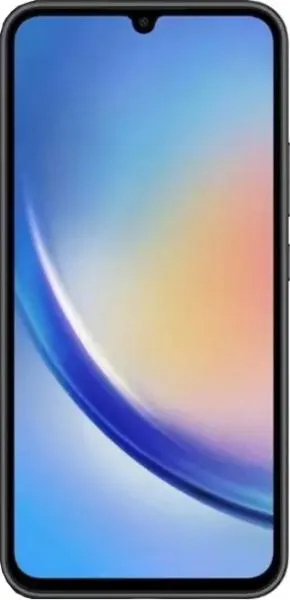
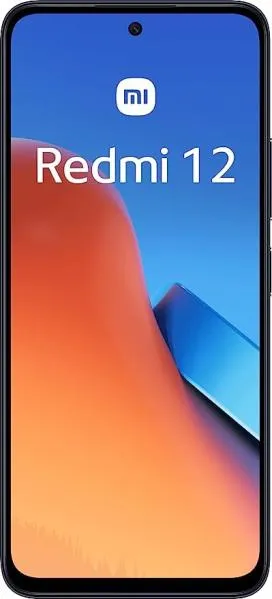
1. Specifications Comparison
| Feature | Samsung Galaxy A34 | Xiaomi Redmi 12 | Practical Impact |
|---|---|---|---|
| Design | |||
| Dimensions (mm) | 161.3 x 78.1 x 8.2 | 168.6 x 76.3 x 8.2 | Redmi 12 is taller and slightly wider. A34 might feel more compact in hand. |
| Weight (g) | 199 | 198.5 | Negligible weight difference. |
| Fingerprint Sensor | Under display | Side-mounted | Personal preference; under-display feels more modern, side-mounted can be faster. |
| Display | |||
| Display Type | Super AMOLED | IPS LCD | A34 offers more vibrant colors, deeper blacks, and better outdoor visibility. |
| Display Size (inches) | 6.6 | 6.79 | Redmi 12 has a slightly larger screen. |
| Refresh Rate (Hz) | 120 | 90 | A34 offers smoother scrolling and animations. |
| Resolution | 1080 x 2340 | 1080 x 2460 | Similar sharpness due to similar pixel density, despite Redmi 12's larger size. |
| Performance | |||
| Chipset | Mediatek Dimensity 1080 (6 nm) | Mediatek Helio G88 (12 nm) | Dimensity 1080 is significantly more powerful, resulting in faster app loading, smoother multitasking, and better gaming performance. |
| CPU | Octa-core (2x2.6 GHz Cortex-A78 & 6x2.0 GHz Cortex-A55) | Octa-core (2x2.0 GHz Cortex-A75 & 6x1.8 GHz Cortex-A55) | A34 has a more powerful CPU architecture, contributing to its superior performance. |
| GPU | Mali-G68 MC4 | Mali-G52 MC2 | A34's GPU is more capable, handling graphically demanding tasks and games better. |
| RAM (GB) | 6/8 | 4/8 | More RAM (8GB) provides smoother multitasking; both phones offer this option. |
| Camera | |||
| Main Camera (MP) | 48 | 50 | While Redmi 12 has higher megapixels, sensor quality and processing play a larger role in image quality. A34's Sony sensor generally produces better results. DxOMark score supports this (A34: 99 Photo score). |
| Video Recording | 4K@30fps | 1080p@30fps | A34 offers higher resolution video recording. |
| Battery | |||
| Capacity (mAh) | 5000 | 5000 | Similar battery capacity. |
| Fast Charging (W) | 25 | 18 | A34 charges faster. |
2. Key Differences Analysis
Samsung Galaxy A34 Advantages:
- Superior Performance: The Dimensity 1080 chipset offers significantly better performance for demanding tasks and gaming.
- Smoother Display: The 120Hz AMOLED display provides a more fluid and responsive user experience.
- Better Display Quality: AMOLED technology delivers richer colors and deeper blacks compared to the Redmi 12's IPS LCD.
- Faster Charging: 25W fast charging tops up the battery quicker than the Redmi 12's 18W.
- Generally better camera quality: Supported by DxOMark score and superior Sony sensor.
Xiaomi Redmi 12 Advantages:
- Slightly Larger Display: Offers more screen real estate for media consumption.
- Lower Price: Generally more affordable, especially the 4GB RAM version.
- Reverse Charging: Can charge other devices, acting as a power bank (9W).
3. User Profiles & Recommendations
Samsung Galaxy A34: Users who prioritize performance, a smooth and vibrant display, faster charging, and better camera quality. Ideal for gaming, media consumption, and multitasking.
Xiaomi Redmi 12: Budget-conscious users who primarily use their phones for basic tasks like calling, texting, browsing, and social media. The larger display is beneficial for media consumption. Reverse charging is a unique feature for power users on the go.
4. Decision Framework
Key Questions for Buyers:
- What is your budget? The Redmi 12 offers better value for money for budget-conscious buyers.
- What are your primary phone usage patterns? Gamers and power users will appreciate the A34's superior performance.
- How important is display quality? The A34's AMOLED screen is a significant advantage for media consumption.
My Choice: Samsung Galaxy A34
While the Redmi 12 offers impressive value for its price, the Samsung Galaxy A34 is the better overall phone due to its significantly superior performance, smoother and more vibrant display, faster charging, and better camera system. The difference in price is justified by these tangible improvements in user experience, especially for demanding tasks and media consumption. The Dimensity 1080's performance advantage ensures a smoother and more future-proof experience compared to the Helio G88. The AMOLED display is a major differentiator, providing a significantly better visual experience. While the Redmi 12 has its merits, particularly its affordability and reverse charging, the A34 provides a more well-rounded and satisfying user experience in the long run.
