1. Specifications Comparison
| Feature | Samsung Galaxy A34 | Xiaomi Poco X6 Pro | Practical Impact |
|---|---|---|---|
| Design | |||
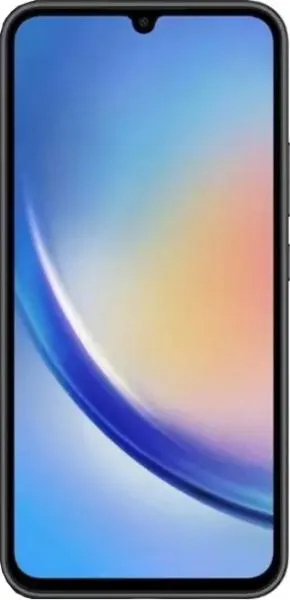
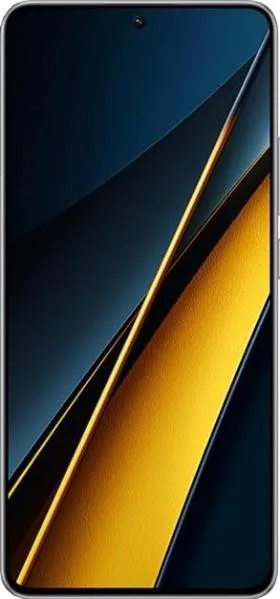
| Dimensions (mm) | 161.3 x 78.1 x 8.2 | 160.5 x 74.3 x 8.3 | Poco X6 Pro is slightly smaller and lighter. |
| Weight (g) | 199 | 186 | Noticeable difference in hand feel; Poco X6 Pro will feel less bulky. |
| Display | |||
| Display Type | Super AMOLED | AMOLED | Both offer vibrant colors and deep blacks; subjective preference for color tuning. |
| Display Size (inches) | 6.6 | 6.67 | Negligible difference in screen real estate. |
| Resolution | 1080 x 2340 | 1220 x 2712 | Poco X6 Pro has a sharper display with higher pixel density (446 ppi vs 399 ppi), resulting in clearer text and images. |
| Refresh Rate (Hz) | 120 | 120 | Both offer smooth scrolling and animations. |
| Peak Brightness (nits) | 1000 (HBM) | 1800 (peak) | Poco X6 Pro offers significantly higher peak brightness, improving outdoor visibility. |
| HDR | No Dolby Vision | HDR10+, Dolby Vision | Poco X6 Pro supports wider HDR formats for enhanced video content. |
| Performance | |||
| Chipset | Mediatek Dimensity 1080 (6 nm) | Mediatek Dimensity 8300 Ultra (4 nm) | Poco X6 Pro's newer and more efficient chipset will likely offer better performance and battery life. |
| CPU | Octa-core (2x2.6 GHz Cortex-A78 & 6x2.0 GHz Cortex-A55) | Octa-core (1x3.35 GHz Cortex-A715 & 3x3.20 GHz Cortex-A715 & 4x2.20 GHz Cortex-A510) | Poco X6 Pro has a more powerful CPU architecture, leading to faster processing speeds. |
| GPU | Mali-G68 MC4 | Mali G615-MC6 | While the G68 MC4 sits slightly above the G615-MC6 on paper, the 8300 Ultra's overall performance enhancements may mean little perceivable difference in average usage. |
| RAM | 6/8 GB | 8/12 GB | Poco X6 Pro offers more RAM in its higher-end configuration, enabling better multitasking. |
| Camera | |||
| Main Camera (MP) | 48 | 64 | Poco X6 Pro boasts higher resolution, potentially capturing more detail. However, image quality depends on factors beyond resolution. |
| Video Recording | 4K@30fps | 4K@30fps with EIS | Both record 4K video; Poco X6 Pro features Electronic Image Stabilization (EIS) for smoother footage. |
| Battery | |||
| Capacity (mAh) | 5000 | 5000 | Similar battery capacity. |
| Fast Charging (W) | 25 | 67 | Poco X6 Pro charges significantly faster. |
2. Key Differences Analysis
Samsung Galaxy A34 Advantages:
- Potentially Lower Price: While pricing can vary, A series phones are generally positioned lower than Poco's X series.
Xiaomi Poco X6 Pro Advantages:
- Superior Performance: The Dimensity 8300 Ultra offers a significant performance advantage due to its newer architecture and manufacturing process.
- Sharper Display: Higher resolution and peak brightness deliver a better visual experience.
- Faster Charging: 67W fast charging significantly reduces downtime.
- HDR Support: Broader HDR support enhances video playback quality.
- More RAM: Higher RAM options improve multitasking capabilities.
3. User Profiles & Recommendations
Samsung Galaxy A34:
- Budget-conscious users: Prioritize affordability over top-tier performance.
- Casual users: Primarily use their phone for basic tasks like calling, texting, social media, and light browsing.
Xiaomi Poco X6 Pro:
- Performance enthusiasts: Demand fast and responsive performance for gaming, demanding apps, and multitasking.
- Content consumers: Enjoy watching videos and playing games on their phone and appreciate a high-quality display.
- Power users: Need a phone that can handle heavy usage and charge quickly.
4. Decision Framework
Key Questions for Buyers:
- What is your budget? The Poco X6 Pro is likely more expensive.
- What are your primary phone usage patterns? Casual users might find the A34 sufficient, while power users would prefer the Poco X6 Pro.
- How important is display quality and charging speed? The Poco X6 Pro excels in these areas.
My Choice: Xiaomi Poco X6 Pro
While I acknowledge the potential price difference, the Xiaomi Poco X6 Pro offers a compelling package with its superior performance, sharper display, faster charging, and better HDR support. The Dimensity 8300 Ultra's performance advantage is significant, future-proofing the device for more demanding applications and ensuring a smoother user experience in the long run. The brighter display with HDR10+ and Dolby Vision significantly enhances media consumption. For me, these benefits outweigh the potential cost savings of the Galaxy A34. The significantly faster charging is also a major convenience in today's fast-paced world. While the A34 is a solid device for casual users, the Poco X6 Pro's advantages make it a more appealing choice for my needs.
