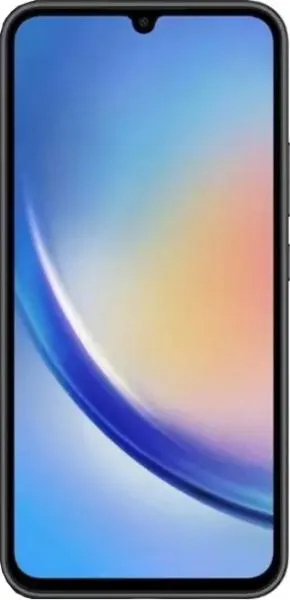
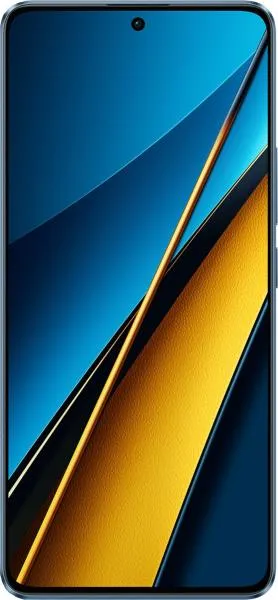
1. Specifications Comparison
| Feature | Samsung Galaxy A34 | Xiaomi Poco X6 | Practical Impact |
|---|---|---|---|
| Design | |||
| Dimensions (mm) | 161.3 x 78.1 x 8.2 | 161.2 x 74.3 x 8.0 | Poco X6 is slightly narrower and thinner. Negligible difference in practical use. |
| Weight (g) | 199 | 181 | Poco X6 is noticeably lighter, improving one-handed use and portability. |
| Display | |||
| Size (inches) | 6.6 | 6.67 | Negligible difference in screen real estate. |
| Resolution (px) | 1080 x 2340 | 1220 x 2712 | Poco X6 has a sharper display with higher pixel density, resulting in crisper text and images. |
| Type | Super AMOLED, 120Hz | AMOLED, 120Hz, Dolby Vision | Both offer smooth scrolling with 120Hz. Poco X6 supports Dolby Vision for enhanced HDR video playback with compatible content. |
| Peak Brightness (nits) | 1000 (HBM) | 1800 (peak) | Poco X6 can get significantly brighter, improving outdoor visibility. |
| Performance | |||
| Chipset | Mediatek Dimensity 1080 (6 nm) | Qualcomm Snapdragon 7s Gen 2 (4 nm) | Snapdragon 7s Gen 2 generally offers better performance and efficiency due to the smaller 4nm process. |
| CPU | Octa-core (2x2.6 GHz A78 & 6x2.0 GHz A55) | Octa-core (4x2.4 GHz A78 & 4x1.95 GHz A55) | Poco X6's CPU configuration suggests better multi-core performance for demanding tasks. |
| RAM | 6/8 GB | 8/12 GB | Poco X6 offers more RAM in its higher-end configurations, enabling better multitasking and smoother performance with memory-intensive applications. |
| GPU | Mali-G68 MC4 | Adreno 710 | Adreno 710 generally provides a better gaming experience compared to the Mali-G68 MC4. |
| Camera | |||
| Main Camera (MP) | 48 | 64 | Poco X6 boasts higher resolution, potentially capturing more detail. Image quality depends on sensor and processing, not just megapixels. |
| Video Recording | 4K@30fps | 4K@30fps with EIS | Both record 4K video. Poco X6 features Electronic Image Stabilization (EIS) for smoother video footage. |
| Battery | |||
| Capacity (mAh) | 5000 | 5100 | Negligible difference in battery capacity. Real-world battery life depends on usage and optimization. |
| Fast Charging (W) | 25 | 67 | Poco X6 offers significantly faster charging, minimizing downtime. |
2. Key Differences Analysis
Samsung Galaxy A34 Advantages:
- Potentially better color accuracy: Samsung's Super AMOLED displays are known for vibrant colors. We lack color depth information for the A34 to definitively compare.
- More affordable lower storage options: Offers more competitively priced lower storage options for budget-conscious users.
Xiaomi Poco X6 Advantages:
- Superior Performance: The Snapdragon 7s Gen 2, higher RAM options, and Adreno 710 GPU translate to smoother gaming, faster multitasking, and better overall responsiveness.
- Brighter Display: The significantly higher peak brightness makes the display much more usable in direct sunlight.
- Faster Charging: 67W fast charging significantly reduces charging time compared to the A34's 25W.
- Sharper Display: Higher resolution leads to a crisper viewing experience.
- Dolby Vision: Supports Dolby Vision for better HDR video quality.
- Electronic Image Stabilisation for video: Resulting in smoother videos
3. User Profiles & Recommendations
Samsung Galaxy A34: Suitable for users who prioritize a vibrant display, basic everyday tasks (social media, browsing, light gaming), and affordability.
Xiaomi Poco X6: Ideal for users who value performance, a sharp and bright display, fast charging, and enjoy mobile gaming or demanding applications.
4. Decision Framework
Key Questions:
- What is your budget? The Poco X6 generally commands a higher price, especially for higher storage configurations.
- What are your primary use cases? For demanding tasks and gaming, the Poco X6 is superior. For basic use, the A34 is sufficient.
- How important is fast charging? The Poco X6's 67W charging is a major advantage if minimizing charging time is crucial.
My Choice: Xiaomi Poco X6
While the Samsung Galaxy A34 is a solid mid-range phone, the Xiaomi Poco X6 offers a significantly better overall package for a slightly higher price. The performance difference due to the chipset, RAM, and GPU is substantial. The brighter display, faster charging, sharper resolution, and inclusion of Dolby Vision further solidify the Poco X6's advantage. While lacking specific details on color depth for the A34's display limits a definitive conclusion on color accuracy, the other advantages of the Poco X6 outweigh this potential benefit of the A34. The lighter weight of the Poco X6 also contributes to a more comfortable user experience. For my needs, prioritizing performance, a great display, and fast charging makes the Poco X6 the clear winner.
