1. Specifications Comparison
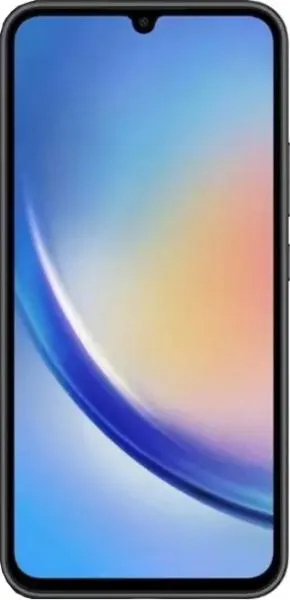
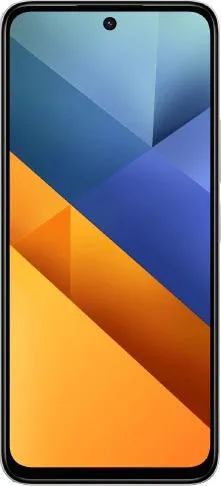
| Feature | Samsung Galaxy A34 | Xiaomi Poco M6 4G | Practical Impact |
|---|---|---|---|
| Design | |||
| Dimensions (mm) | 161.3 x 78.1 x 8.2 | 168.6 x 76.3 x 8.3 | Poco M6 is slightly larger and heavier. |
| Weight (g) | 199 | 205 | Negligible weight difference in real-world usage. |
| Build | Not specified | Not specified | Build quality and materials impact durability and premium feel; information lacking here. |
| Display | |||
| Display Type | Super AMOLED | IPS LCD | AMOLED offers deeper blacks, vibrant colors, and potentially better power efficiency. |
| Size (inches) | 6.6 | 6.79 | Poco M6 has a slightly larger screen for more immersive content consumption. |
| Resolution | 1080 x 2340 | 1080 x 2460 | Similar sharpness due to comparable pixel densities. |
| Refresh Rate (Hz) | 120 | 90 | A34's 120Hz offers smoother scrolling and animations. |
| Performance | |||
| Chipset | Mediatek Dimensity 1080 (6 nm) | Mediatek Helio G91 Ultra (12 nm) | Dimensity 1080 is generally more powerful and efficient due to smaller fabrication process. Expect better performance in demanding tasks and games on the A34. |
| CPU | Octa-core (2x2.6 GHz Cortex-A78 & 6x2.0 GHz Cortex-A55) | Octa-core (2x2.0 GHz Cortex-A75 & 6x1.8 GHz Cortex-A55) | A34 has faster and more modern CPU cores, resulting in snappier performance. |
| GPU | Mali-G68 MC4 | Mali-G52 MC2 | A34's GPU is significantly more powerful, leading to better gaming and graphics performance. |
| RAM | 6/8 GB | 6/8 GB | Both offer sufficient RAM for multitasking, though specific configurations need clarification. |
| Camera | |||
| Main Camera (MP) | 48 | 108 | Poco M6 boasts higher resolution, but image quality depends on sensor size and processing. |
| Ultrawide (MP) | 5 | Not specified | A34 offers an ultrawide lens for broader perspectives, not confirmed for the Poco M6. |
| Video Recording | 4K@30fps | 1080p@30fps | A34 supports higher resolution video recording. |
| Battery | |||
| Capacity (mAh) | 5000 | 5030 | Negligible difference in battery capacity. |
| Fast Charging | 25W | 33W | Poco M6 offers faster charging speeds. |
| OS | Android 13 | Android 14 | Poco M6 ships with a newer Android version out of the box, offering potential feature and security advantages. |
2. Key Differences Analysis
Samsung Galaxy A34 Advantages:
- Superior Display: AMOLED technology offers vibrant colors and deeper blacks. Higher refresh rate provides smoother scrolling.
- Better Performance: More powerful chipset and GPU result in smoother gaming and multitasking.
- More Versatile Camera System: Includes an ultrawide lens and 4K video recording.
Xiaomi Poco M6 4G Advantages:
- Larger Display: Slightly bigger screen for more immersive content.
- Faster Charging: 33W charging tops up the battery quicker than A34's 25W.
- Lower Price: Positioned in a lower price bracket.
- Newer Android Version: Ships with Android 14, potentially offering newer features and longer software support.
3. User Profiles & Recommendations
Samsung Galaxy A34: Suited for users who prioritize display quality, performance, and camera versatility. Ideal for gaming, media consumption, and general use.
Xiaomi Poco M6 4G: Best for budget-conscious users who prioritize a large screen and fast charging. Suitable for casual gaming, social media, and everyday tasks. Those seeking the latest Android version might also prefer this.
4. Decision Framework
Key Questions for Buyers:
- What is your budget? The Poco M6 is more affordable.
- What are your performance needs? The A34 offers superior processing power for demanding tasks.
- Which display technology do you prefer? AMOLED offers richer visuals while IPS LCDs are often brighter in direct sunlight. Consider which is more important to your viewing habits.
Scenario-Based Recommendations:
- Gamer: A34 for better performance.
- Heavy Media Consumer: A34 for the superior display.
- Budget-Conscious User: Poco M6 for affordability.
My Choice: Samsung Galaxy A34
While the Poco M6 offers a compelling value proposition with its large screen and fast charging at a lower price, the Samsung Galaxy A34 is the better overall device for my needs. The superior AMOLED display with a 120Hz refresh rate, coupled with the significantly more powerful processor and GPU, makes a tangible difference in daily use and especially for demanding tasks like gaming. The inclusion of an ultrawide lens also enhances photographic versatility. While Android 14 on the Poco M6 is attractive, Samsung's track record of software updates and the performance gap are decisive factors in my choice. The price difference is justifiable for the significant upgrade in user experience offered by the A34.
