1. Specifications Comparison
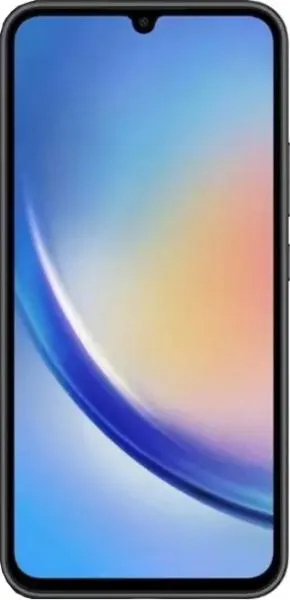
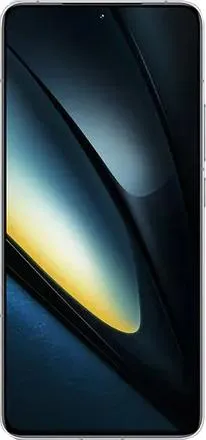
| Feature | Samsung Galaxy A34 | Xiaomi Poco F6 Pro | Practical Impact |
|---|---|---|---|
| Design | |||
| Dimensions (mm) | 161.3 x 78.1 x 8.2 | 160.9 x 75 x 8.2 | Poco F6 Pro is slightly narrower and potentially more comfortable for one-handed use. |
| Weight (g) | 199 | 209 | Negligible weight difference in real-world usage. |
| Display | |||
| Display Size (inches) | 6.6 | 6.67 | Poco F6 Pro offers marginally larger screen real estate. |
| Resolution (px) | 1080 x 2340 | 1440 x 3200 | Significantly sharper and more detailed visuals on the Poco F6 Pro due to higher resolution (QHD+ vs FHD+). |
| Display Type | Super AMOLED, 120Hz | AMOLED, 120Hz | Both offer smooth scrolling and animations thanks to 120Hz. Poco F6 Pro boasts higher peak brightness (4000 nits vs 1000 nits) for better outdoor visibility and HDR10+/Dolby Vision support for superior dynamic range in supported content. |
| Performance | |||
| Chipset | Mediatek Dimensity 1080 (6 nm) | Qualcomm Snapdragon 8 Gen 2 (4 nm) | Snapdragon 8 Gen 2 in the Poco F6 Pro offers significantly better CPU and GPU performance, leading to smoother multitasking, faster app loading, and superior gaming capabilities. |
| RAM (GB) | 6/8 | 12/16 | More RAM in Poco F6 Pro enables better multitasking and reduces app closures in the background. |
| Camera | |||
| Main Camera (MP) | 48 | 50 | While both offer high megapixel counts, image quality depends on sensor size, processing, and other factors. Poco F6 Pro has a slightly larger sensor (1/1.55\" vs 1/2\") potentially capturing more light. |
| Video Recording | 4K@30fps | 8K@24fps | Poco F6 Pro allows for higher resolution video recording. |
| Slow Motion | 720p@480fps | 720p@1920fps | Poco F6 Pro offers significantly slower slow-motion capture. |
| Battery | |||
| Capacity (mAh) | 5000 | 5000 | Similar battery capacities suggest comparable battery life, although real-world usage may vary depending on other factors like display and processor efficiency. |
| Fast Charging (W) | 25 | 120 | Significantly faster charging on the Poco F6 Pro. |
2. Key Differences Analysis
Samsung Galaxy A34 Advantages:
- Potentially Lower Price: Typically positioned in a more affordable segment.
- More Color Options: Offers a wider variety of color choices.
- Proven Reliability: Samsung's track record for software updates and device longevity.
Xiaomi Poco F6 Pro Advantages:
- Superior Performance: Significantly faster processor and more RAM.
- Brighter and Sharper Display: Higher resolution, peak brightness, and HDR support.
- Faster Charging: 120W fast charging dramatically reduces charging time.
- Higher Resolution Video Recording: Offers up to 8K video recording.
Trade-offs:
- Price: Poco F6 Pro is more expensive.
- Brand Recognition and Software Support: Samsung generally has wider brand recognition and potentially longer software support compared to Poco.
3. User Profiles & Recommendations
Samsung Galaxy A34: Ideal for budget-conscious users prioritizing essential smartphone features like calling, messaging, social media, and light gaming.
Xiaomi Poco F6 Pro: Suitable for power users, gamers, and content creators who demand top-tier performance, a brilliant display, and fast charging.
4. Decision Framework
Key Questions for Buyers:
- What is your budget?
- What are your primary smartphone usage patterns?
- How important are factors like performance, display quality, and charging speed?
Scenario-Based Recommendations:
- Limited Budget, Basic Usage: Samsung Galaxy A34
- Demanding User, High Performance Needs: Xiaomi Poco F6 Pro
- Balanced Needs, Value Seeker: Consider the price difference and prioritize features based on individual needs.
My Choice: Xiaomi Poco F6 Pro
While I acknowledge the potential price difference and Samsung's reputation for long-term software updates, the Xiaomi Poco F6 Pro is my choice. The significant leap in performance offered by the Snapdragon 8 Gen 2, coupled with the stunning QHD+ AMOLED display with HDR10+/Dolby Vision, significantly elevates the user experience. The 120W fast charging is a game-changer for my lifestyle, minimizing downtime. As someone who values a smooth and responsive user interface, demanding applications, and high-quality media consumption, the Poco F6 Pro's superior hardware outweighs the potential drawbacks for me. The future-proofing offered by the advanced processor and ample RAM also ensures the phone remains relevant for a longer period.
