
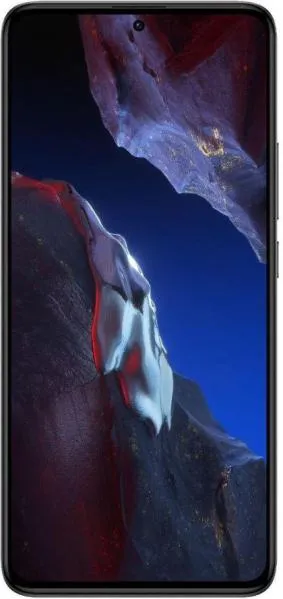
1. Specifications Comparison
| Feature | Samsung Galaxy A34 | Xiaomi Poco F5 Pro | Practical Impact |
|---|---|---|---|
| Design | |||
| Dimensions (mm) | 161.3 x 78.1 x 8.2 | 162.8 x 75.4 x 8.6 | Poco F5 Pro is slightly larger and thicker. |
| Weight (g) | 199 | 204 | Negligible weight difference in practical use. |
| Display | |||
| Display Size (inches) | 6.6 | 6.67 | Poco F5 Pro has a slightly larger display. |
| Resolution (px) | 1080 x 2340 | 1440 x 3200 | Poco F5 Pro has a significantly sharper display (526 ppi vs 399 ppi), resulting in crisper text and images. |
| Display Type | Super AMOLED, 120Hz | AMOLED, 120Hz | Both offer smooth scrolling and animations due to the 120Hz refresh rate. AMOLED technology ensures vibrant colors and deep blacks. Poco F5 Pro supports Dolby Vision and HDR10+ for enhanced video playback quality. |
| Peak Brightness (nits) | 1000 (HBM) | 1400 (peak) | Poco F5 Pro's higher peak brightness ensures better visibility in direct sunlight. |
| Performance | |||
| Chipset | Mediatek Dimensity 1080 (6 nm) | Qualcomm Snapdragon 8+ Gen 1 (4 nm) | Poco F5 Pro boasts a significantly more powerful processor, translating to much faster performance in demanding tasks and gaming. |
| CPU | Octa-core (2x2.6 GHz Cortex-A78 & 6x2.0 GHz Cortex-A55) | Octa-core (1x3.0 GHz Cortex-X2 & 3x2.5 GHz Cortex-A710 & 4x1.80 GHz Cortex-A510) | The superior architecture and clock speeds of the Poco F5 Pro's CPU deliver a noticeable performance advantage. |
| GPU | Mali-G68 MC4 | Adreno 730 | Poco F5 Pro offers significantly better graphics performance, crucial for high-end gaming and graphically intensive applications. |
| RAM | 6/8 GB | 8/12 GB | Poco F5 Pro offers more RAM in its base configuration, enabling better multitasking and smoother performance with multiple apps open. |
| Camera | |||
| Main Camera (MP) | 48 | 64 | While megapixels aren't everything, the Poco F5 Pro's higher resolution main camera potentially offers more detail in photos. |
| Video Recording | 4K@30fps | 8K@24fps | Poco F5 Pro can record video at a much higher resolution. |
| Battery | |||
| Capacity (mAh) | 5000 | 5160 | Negligible difference in battery capacity. |
| Fast Charging (W) | 25 | 67 | Poco F5 Pro charges significantly faster. |
2. Key Differences Analysis
Xiaomi Poco F5 Pro Advantages:
- Significantly more powerful: The Snapdragon 8+ Gen 1 chipset offers a substantial performance advantage over the Dimensity 1080, resulting in smoother multitasking, faster app loading, and superior gaming capabilities.
- Sharper and brighter display: Higher resolution and peak brightness contribute to a more visually appealing and easily readable screen, especially outdoors.
- Faster charging: 67W fast charging significantly reduces charging time compared to the A34's 25W.
- Higher resolution camera and video recording: While image quality depends on various factors, the Poco F5 Pro's camera setup offers higher resolution photo and video capabilities.
Samsung Galaxy A34 Advantages:
- Potentially lower price: Depending on specific configurations and market conditions, the A34 is generally more affordable.
- More color options: Offers a wider variety of color choices for personalization.
3. User Profiles & Recommendations
Samsung Galaxy A34: Suitable for budget-conscious users who prioritize everyday tasks like web browsing, social media, and casual photography. Good for users who don't require the absolute best performance and prefer a more affordable option.
Xiaomi Poco F5 Pro: Ideal for power users and mobile gamers who demand top-tier performance, a vibrant display, and fast charging. Excellent for content creators who require high-resolution video recording capabilities.
4. Decision Framework
Key Questions for Buyers:
- What is your budget? The Poco F5 Pro is considerably more expensive.
- What are your primary use cases? For basic tasks, the A34 suffices. For demanding applications and gaming, the Poco F5 Pro is superior.
- How important is display quality and charging speed? The Poco F5 Pro excels in both areas.
My Choice: Xiaomi Poco F5 Pro
While the Samsung Galaxy A34 is a solid mid-range phone, the Xiaomi Poco F5 Pro offers a significant upgrade in performance, display quality, and charging speed. The Snapdragon 8+ Gen 1 provides a substantial real-world difference in responsiveness and future-proofing. The brighter, sharper display enhances media consumption and everyday usage. The faster charging is a major convenience in today's fast-paced world. While the Poco F5 Pro comes at a premium, the significant improvements justify the higher price for users who value performance and a premium experience. The A34 is a good budget option, but the Poco F5 Pro is the clear winner for overall performance and user experience.
