1. Specifications Comparison
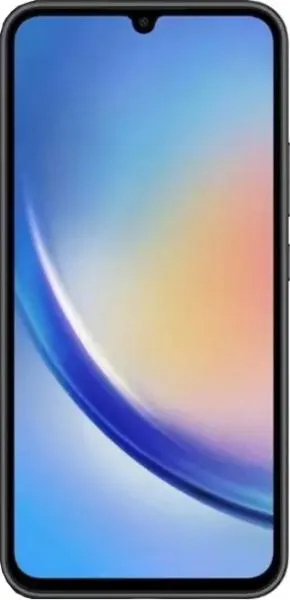
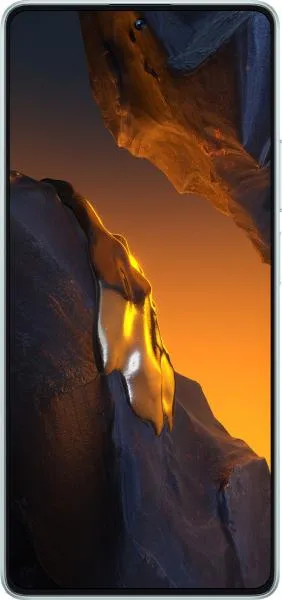
| Feature | Samsung Galaxy A34 | Xiaomi Poco F5 | Practical Impact | |
|---|---|---|---|---|
| Design | ||||
| Dimensions (mm) | 161.3 x 78.1 x 8.2 | 161.1 x 75 x 7.9 | Poco F5 is slightly narrower and thinner. Negligible difference in daily use. | |
| Weight (g) | 199 | 181 | Poco F5 is noticeably lighter, improving one-handed use and reducing pocket bulk. | |
| Display | ||||
| Size (inches) | 6.6 | 6.67 | Negligible difference in screen real estate. | |
| Resolution (pixels) | 1080 x 2340 | 1080 x 2400 | Very similar pixel density, resulting in comparable sharpness. | |
| Type | Super AMOLED | AMOLED | Both offer vibrant colors and deep blacks. Samsung's Super AMOLED might offer slightly better outdoor visibility due to the claimed 1000 nits peak brightness (HBM), though typical brightness isn't specified for either. Poco F5 supports Dolby Vision and HDR10+ for enhanced video playback. | |
| Refresh Rate (Hz) | 120 | 120 | Both offer smooth scrolling and animations. | |
| Performance | ||||
| Chipset | Mediatek Dimensity 1080 (6 nm) | Qualcomm Snapdragon 7+ Gen 2 (4 nm) | Snapdragon 7+ Gen 2 significantly outperforms the Dimensity 1080 in CPU and GPU tasks, leading to faster app loading, smoother gaming, and better multitasking. The 4nm process also suggests better power efficiency for the Poco F5. | |
| CPU | Octa-core (2x2.6 GHz Cortex-A78 & 6x2.0 GHz Cortex-A55) | Octa-core (1x2.91 GHz Cortex-X2 & 3x2.49 GHz Cortex-A710 & 4x1.8 GHz Cortex-A510) | Poco F5 boasts a more modern and powerful CPU architecture. | |
| GPU | Mali-G68 MC4 | Adreno 725 | Adreno 725 offers superior graphics performance compared to the Mali-G68 MC4, resulting in a better gaming experience. | |
| RAM | 6GB (some versions have 8GB) | 8GB/12GB | More RAM in the Poco F5, especially the 12GB version, allows for more apps to run in the background without reloading, improving multitasking. | |
| Camera | ||||
| Main Camera (MP) | 48 | 64 | Higher resolution on the Poco F5 potentially offers more detail in photos, but image quality depends on factors beyond resolution. | |
| Features | OIS, Ultra stable video | OIS | Both offer Optical Image Stabilization for steadier videos. The specific effectiveness of each implementation is unknown without real-world testing. | |
| Battery | ||||
| Capacity (mAh) | 5000 | 5000 | Similar battery capacity suggests comparable battery life, although real-world usage will vary depending on other factors like chipset efficiency and display brightness. | |
| Fast Charging (W) | 25 | 67 | Poco F5 offers significantly faster charging, minimizing downtime. |
2. Key Differences Analysis
Samsung Galaxy A34 Advantages:
- Potentially Brighter Display: The A34's Super AMOLED display boasts a 1000 nits peak brightness (HBM), potentially offering better visibility in direct sunlight. However, we lack typical brightness figures to make a definitive comparison.
Xiaomi Poco F5 Advantages:
- Significantly Superior Performance: The Snapdragon 7+ Gen 2 provides a substantial performance advantage over the Dimensity 1080 for demanding tasks like gaming and multitasking.
- Faster Charging: 67W fast charging significantly reduces charging time compared to the A34's 25W.
- More RAM: Offers 8GB or 12GB, providing smoother multitasking compared to the A34's 6GB or 8GB.
- HDR Support: Supports Dolby Vision and HDR10+ for a better video streaming experience.
- Slightly Lighter and Thinner: Offers a more comfortable in-hand feel.
Trade-offs:
- Price: While both are in the "medium price" range, the Poco F5 generally commands a higher price for its superior performance.
3. User Profiles & Recommendations
Samsung Galaxy A34:
- Ideal User: Budget-conscious users who prioritize a vibrant display for media consumption and casual usage. Less demanding users who aren't heavy gamers or multitaskers.
- Use Cases: Social media browsing, web surfing, casual photography, video streaming.
Xiaomi Poco F5:
- Ideal User: Performance-oriented users who demand smooth gaming, fast app loading, and efficient multitasking. Users who value fast charging.
- Use Cases: Mobile gaming, demanding applications, heavy multitasking, content creation.
4. Decision Framework
Key Questions for Buyers:
- What is your budget? The Poco F5 is generally more expensive.
- What are your primary use cases? Gamers and power users will appreciate the Poco F5's performance, while casual users might find the A34 sufficient.
- How important is fast charging? The Poco F5's 67W charging is a major advantage if minimizing downtime is crucial.
Scenario-Based Recommendations:
- Limited Budget, Casual User: Samsung Galaxy A34
- Prioritize Performance and Fast Charging: Xiaomi Poco F5
- Balanced Needs, Good Value: Consider the higher RAM version of the Galaxy A34 if the price difference to the Poco F5 is significant.
My Choice: Xiaomi Poco F5
The Xiaomi Poco F5 is my choice. While the Samsung Galaxy A34 offers a potentially brighter display for outdoor use, the Poco F5's superior performance, significantly faster charging, larger RAM, and HDR support outweigh this advantage for me. The Snapdragon 7+ Gen 2 offers a substantial real-world difference in speed and responsiveness, which I prioritize for a smooth and enjoyable user experience. The much faster charging is also a significant convenience. While the price is higher, the value proposition of the Poco F5 is stronger for my needs.
