1. Specifications Comparison
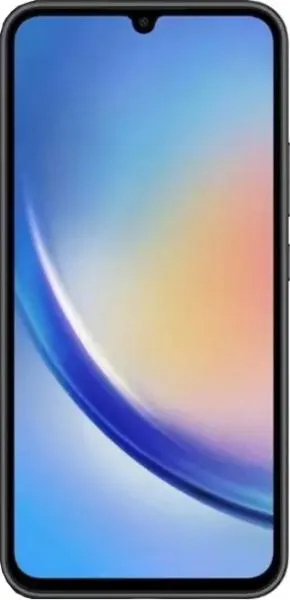
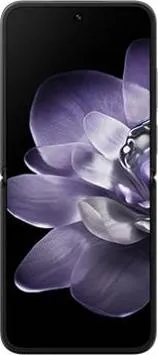
| Feature | Samsung Galaxy A34 | Xiaomi Mix Flip | Practical Impact |
|---|---|---|---|
| Design | |||
| Dimensions (mm) | 161.3 x 78.1 x 8.2 | 167.5 x 74 x 7.6 | Mix Flip is slightly taller and narrower when unfolded, but significantly more compact when folded. A34 is thinner. |
| Weight (g) | 199 | 190 | Negligible weight difference in practical use. |
| Foldable | No | Yes | Mix Flip's foldable design offers portability and a unique form factor. |
| Display | |||
| Size (inches) | 6.6 | 6.86 | Mix Flip has a noticeably larger screen. |
| Resolution (px) | 1080 x 2340 | 1224 x 2912 | Mix Flip boasts a sharper display with higher resolution. |
| Type | Super AMOLED, 120Hz | Foldable LTPO AMOLED, 120Hz | Both offer smooth scrolling and vibrant colors, but Mix Flip's LTPO panel potentially offers better power efficiency. Mix Flip supports Dolby Vision and HDR10+ for superior dynamic range. |
| Peak Brightness (nits) | 1000 | 3000 | Mix Flip offers significantly higher peak brightness, crucial for outdoor visibility. |
| Performance | |||
| Chipset | Mediatek Dimensity 1080 (6 nm) | Qualcomm Snapdragon 8 Gen 3 (4 nm) | Mix Flip features a significantly more powerful and efficient processor, leading to much faster performance, smoother multitasking, and better gaming capabilities. |
| CPU | Octa-core (2x2.6 GHz Cortex-A78 & 6x2.0 GHz Cortex-A55) | Octa-core (1x3.3 GHz Cortex-X4 & 3x3.2 GHz Cortex-A720 & 2x3.0 GHz Cortex-A720 & 2x2.3 GHz Cortex-A520) | Mix Flip's CPU offers a substantial performance advantage due to its newer architecture and higher clock speeds. |
| GPU | Mali-G68 MC4 | Adreno 750 | Mix Flip has a considerably more powerful GPU, enabling superior gaming and graphics performance. |
| RAM | 6/8 GB | 12/16 GB | Mix Flip offers significantly more RAM, improving multitasking and overall system responsiveness. |
| Camera | |||
| Rear Cameras | 48MP Main, 8MP Ultrawide, 5MP Macro, 5MP Depth | 50MP Main, 60MP Telephoto | Mix Flip has a higher resolution telephoto lens, enabling better zoom capabilities. Both have capable main sensors. Missing ultrawide information on the Mix Flip limits a complete comparison. |
| Video Recording | 4K@30fps | 8K@24fps | Mix Flip offers higher resolution video recording. |
| Battery | |||
| Capacity (mAh) | 5000 | 4780 | A34 has a slightly larger battery capacity, but practical battery life depends on numerous factors, including software optimization and display usage. |
| Fast Charging | 25W | 67W | Mix Flip supports significantly faster charging. |
2. Key Differences Analysis
Samsung Galaxy A34 Advantages:
- Lower Price: Significantly more affordable.
- Slightly Larger Battery: Potentially longer battery life, though real-world usage will vary.
Xiaomi Mix Flip Advantages:
- Significantly More Powerful: Superior performance in all aspects due to a much newer and more powerful chipset, more RAM, and a better GPU.
- Foldable Design: Offers unique portability and usability advantages.
- Sharper and Brighter Display: Higher resolution, LTPO technology, and much higher peak brightness deliver a superior visual experience.
- Faster Charging: Significantly reduces charging time.
- Better Camera Capabilities: Specifically in zoom performance thanks to the high-resolution telephoto lens.
3. User Profiles & Recommendations
Samsung Galaxy A34: Budget-conscious users who prioritize affordability and basic smartphone functionality. Suitable for everyday tasks like browsing, social media, and casual photography.
Xiaomi Mix Flip: Users who value cutting-edge technology, top-tier performance, and a unique foldable form factor. Ideal for demanding tasks, gaming, content creation, and those who want a compact yet powerful device.
4. Decision Framework
Key Questions for Buyers:
- Budget: How much are you willing to spend?
- Performance Needs: Do you require top-tier performance for demanding tasks or gaming?
- Form Factor: Is a foldable design important to you?
My Choice: Xiaomi Mix Flip
While significantly more expensive, the Xiaomi Mix Flip offers a compelling package of cutting-edge technology and features. The foldable design, superior performance, stunning display, and fast charging outweigh the price premium for me. I value the portability and uniqueness of the foldable form factor, and the performance difference between the two phones is substantial. The brighter display is a significant advantage for outdoor use. While the A34 offers good value for its price, the Mix Flip represents a significant leap in technology and user experience. The lack of ultrawide lens information on the Mix Flip is a slight concern, but the overall package is still far superior.
