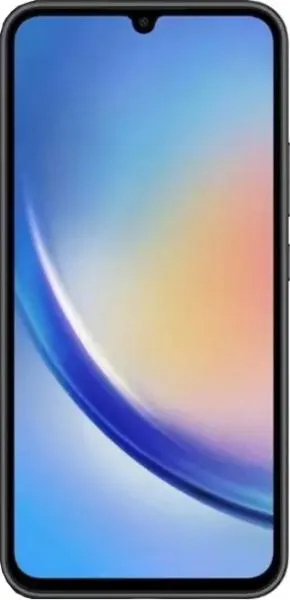
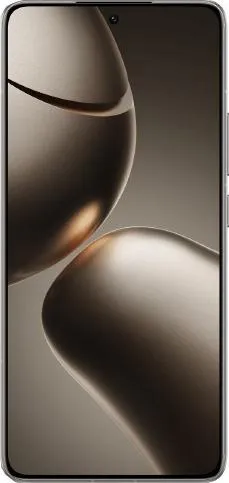
1. Specifications Comparison
| Feature | Samsung Galaxy A34 | Xiaomi 14T Pro | Practical Impact |
|---|---|---|---|
| Design | |||
| Dimensions (mm) | 161.3 x 78.1 x 8.2 | 160.4 x 75.1 x 8.4 | Xiaomi is slightly shorter and narrower, but a bit thicker. Negligible difference in everyday use. |
| Weight (g) | 199 | 209 | Xiaomi is slightly heavier, but the difference is minimal. |
| Display | |||
| Size (inches) | 6.6 | 6.67 | Virtually identical screen sizes. |
| Resolution (px) | 1080 x 2340 | 1220 x 2712 | Xiaomi has a noticeably sharper display due to higher resolution, resulting in clearer text and images. |
| Refresh Rate (Hz) | 120 | 144 | Xiaomi offers a smoother scrolling and gaming experience due to the higher refresh rate. |
| Display Type | Super AMOLED | AMOLED | Both offer vibrant colors and deep blacks. Samsung's Super AMOLED might offer slightly better outdoor visibility. Data is limited. |
| Peak Brightness (nits) | 1000 (HBM) | 4000 (peak) | Xiaomi offers significantly higher peak brightness, resulting in much better visibility in direct sunlight. |
| Performance | |||
| Chipset | Dimensity 1080 | Dimensity 9300+ | Xiaomi features a significantly more powerful and efficient chipset, leading to much faster performance in demanding tasks and games. |
| CPU | Octa-core (2x2.6 GHz Cortex-A78 & 6x2.0 GHz Cortex-A55) | Octa-core (1x3.4 GHz Cortex-X4 & 3x2.85 GHz Cortex-X4 & 4x2.0 GHz Cortex-A720) | Xiaomi boasts a newer and significantly faster CPU architecture. |
| RAM (GB) | 6/8 | 12 | Xiaomi offers more RAM, enabling better multitasking and smoother performance with demanding apps. |
| Camera | |||
| Main Camera (MP) | 48 | 50 | Both offer high-resolution main cameras. Xiaomi uses a larger sensor (1/1.31") compared to Samsung's (1/2"), potentially capturing more light. |
| Video Recording | 4K@30fps | 8K@30fps | Xiaomi supports higher resolution video recording. |
| DxOMark Score | 92 | 135 | Xiaomi has a significantly higher DxOMark score, indicating superior overall camera quality. |
| Battery | |||
| Capacity (mAh) | 5000 | 5000 | Identical battery capacities. |
| Fast Charging (W) | 25 | 120 | Xiaomi offers drastically faster charging speeds. |
2. Key Differences Analysis
Xiaomi 14T Pro Advantages:
- Significantly faster performance: The Dimensity 9300+ chipset, faster CPU cores and larger RAM provide a substantial performance advantage for demanding tasks and gaming.
- Sharper and brighter display: Higher resolution and peak brightness result in a superior visual experience.
- Much faster charging: 120W fast charging significantly reduces charging time.
- Superior camera system: Higher resolution sensors, 8K video recording, and a significantly higher DxOMark score point to better overall image and video quality.
- More advanced connectivity: Wi-Fi 7 and Bluetooth 5.4 offer the latest standards for faster speeds and improved reliability.
Samsung Galaxy A34 Advantages:
- Potentially better price: While prices can vary, the A34 is generally positioned in a lower price bracket.
3. User Profiles & Recommendations
Xiaomi 14T Pro: Ideal for users who prioritize performance, a high-quality display, fast charging, and a top-tier camera. Power users, gamers, and content creators would benefit most.
Samsung Galaxy A34: Suitable for budget-conscious users who prioritize essential features and reliable performance for everyday tasks like web browsing, social media, and light gaming.
4. Decision Framework
Key Questions for Buyers:
- What is your budget? The Xiaomi 14T Pro is significantly more expensive.
- What are your primary use cases? For demanding tasks, the Xiaomi is superior. For basic use, the A34 is sufficient.
- Which features are most important to you? Prioritize performance, display, camera, or fast charging based on your needs.
Scenario-Based Recommendations:
- Limited budget: Samsung Galaxy A34
- Heavy gamer: Xiaomi 14T Pro
- Photography enthusiast: Xiaomi 14T Pro
- Casual user: Samsung Galaxy A34
My Choice: Xiaomi 14T Pro
While significantly more expensive, the Xiaomi 14T Pro offers a substantial upgrade in nearly every aspect. The superior performance, stunning display, incredibly fast charging, and advanced camera system make it a compelling choice for a power user. The longevity provided by the latest chipset and connectivity features also future-proofs the device better than the Galaxy A34. While the A34 is a solid budget option, the 14T Pro's advantages justify the higher price for my needs.
