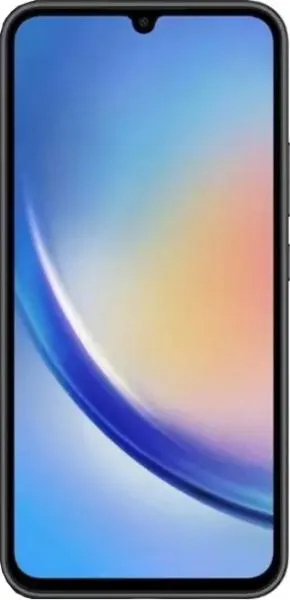
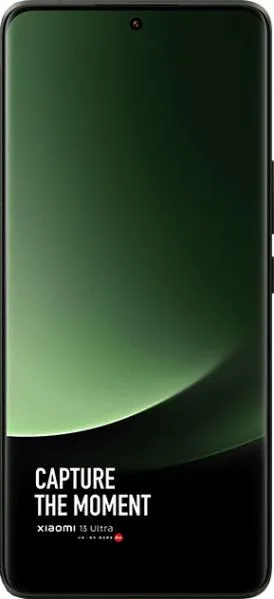
1. Specifications Comparison
| Feature | Samsung Galaxy A34 | Xiaomi 13 Ultra | Practical Impact |
|---|---|---|---|
| Design | |||
| Dimensions (mm) | 161.3 x 78.1 x 8.2 | 163.2 x 74.6 x 9.1 | Xiaomi 13 Ultra is slightly larger and thicker. |
| Weight (g) | 199 | 227 | Xiaomi 13 Ultra is noticeably heavier, potentially impacting one-handed use. |
| Display | |||
| Size (inches) | 6.6 | 6.73 | Negligible difference in screen real estate. |
| Resolution (px) | 1080 x 2340 | 1440 x 3200 | Xiaomi 13 Ultra has a significantly sharper display, noticeable in text clarity and image detail. |
| Panel Type | Super AMOLED | LTPO AMOLED | Both offer vibrant colors and deep blacks. Xiaomi's LTPO panel allows for dynamic refresh rate adjustment, potentially saving battery. |
| Refresh Rate (Hz) | 120 | 120 | Both offer smooth scrolling and animations. |
| Peak Brightness (nits) | 1000 | 2600 | Xiaomi 13 Ultra offers far superior outdoor visibility. |
| Performance | |||
| Chipset | Mediatek Dimensity 1080 (6 nm) | Qualcomm Snapdragon 8 Gen 2 (4 nm) | Xiaomi 13 Ultra boasts a significantly more powerful processor, resulting in faster app loading, smoother multitasking, and better gaming performance. |
| CPU | Octa-core (2x2.6 GHz Cortex-A78 & 6x2.0 GHz Cortex-A55) | Octa-core (1x3.2 GHz Cortex-X3 & 2x2.8 GHz Cortex-A715 & 2x2.8 GHz Cortex-A710 & 3x2.0 GHz Cortex-A510) | Xiaomi's CPU architecture is more advanced, providing substantial performance gains. |
| GPU | Mali-G68 MC4 | Adreno 740 | Xiaomi 13 Ultra has a much more powerful GPU, enabling higher graphics settings and smoother gameplay in demanding games. |
| RAM (GB) | 6/8 | 12/16 | Xiaomi 13 Ultra offers more RAM, enabling better multitasking and preventing apps from closing in the background. |
| Camera | |||
| Main Camera (MP) | 48 | 50 | Both offer high resolution, but Xiaomi utilizes a larger 1-inch sensor (Sony IMX989) for superior low-light performance and depth of field. |
| Other Cameras | Wide, Depth, Selfie | Wide, 2x Telephoto, 5x Periscope Telephoto, Selfie | Xiaomi 13 Ultra provides greater versatility with its quad-camera setup, including a periscope telephoto lens for significant zoom capabilities. |
| DxOMark Score | 92 | 140 | Xiaomi 13 Ultra scores significantly higher in DxOMark tests, indicating superior overall camera quality. |
| Battery | |||
| Capacity (mAh) | 5000 | 5000 | Similar battery capacities. |
| Fast Charging (W) | 25 | 90 | Xiaomi 13 Ultra charges significantly faster. |
2. Key Differences Analysis
Xiaomi 13 Ultra Advantages:
- Significantly superior performance: Snapdragon 8 Gen 2 provides a substantial advantage in speed and responsiveness.
- Much better camera system: Larger sensor, Leica collaboration, periscope telephoto lens, significantly higher DxOMark score point to superior image quality and versatility.
- Brighter, sharper display: Higher resolution and peak brightness enhance visual experience, especially outdoors.
- Faster Charging: 90W fast charging drastically reduces charging time.
Samsung Galaxy A34 Advantages:
- Lower Price: Positioned in the mid-range segment, offering a more affordable option.
- Lighter and Slightly Smaller: Potentially more comfortable for one-handed use.
3. User Profiles & Recommendations
Samsung Galaxy A34: Budget-conscious users prioritizing basic smartphone functionalities, social media, light gaming, and casual photography.
Xiaomi 13 Ultra: Power users, photography enthusiasts, mobile gamers, and those seeking the best possible display and performance. Suitable for demanding tasks, content creation, and professional photography.
4. Decision Framework
Key Questions for Buyers:
- What is your budget? The Xiaomi 13 Ultra is significantly more expensive.
- What are your primary use cases? Prioritize features that align with your needs (gaming, photography, everyday use).
- How important is raw performance and camera quality? The Xiaomi 13 Ultra excels in these areas.
My Choice:
I would choose the Xiaomi 13 Ultra. While significantly more expensive, the substantial improvements in performance, camera quality, and display make it a worthwhile investment for me. I value a smooth and responsive user experience, enjoy mobile photography, and appreciate a high-quality display. The faster charging is a significant bonus. While the A34 is a good value option, the 13 Ultra offers a significant leap in overall quality that justifies the price premium for my needs.
