1. Specifications Comparison
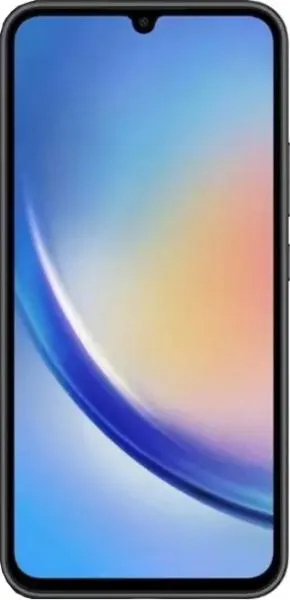
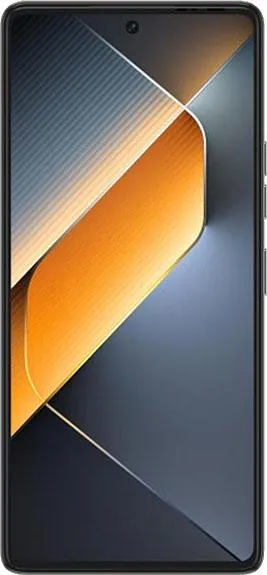
| Feature | Samsung Galaxy A34 | Tecno Pova 6 Pro | Practical Impact |
|---|---|---|---|
| Design | |||
| Dimensions (mm) | 161.3 x 78.1 x 8.2 | 165.5 x 76.1 x 7.9 | Pova 6 Pro slightly larger and taller. Negligible difference in daily use. |
| Weight (g) | 199 | 198 | Virtually identical weight. |
| Display | |||
| Size (inches) | 6.6 | 6.78 | Pova 6 Pro offers a slightly larger screen for more immersive content consumption. |
| Resolution (px) | 1080 x 2340 | 1080 x 2436 | Similar sharpness due to comparable pixel density. Pova 6 Pro slightly taller aspect ratio. |
| Type | Super AMOLED, 120Hz | AMOLED, 120Hz | Both offer smooth scrolling and animations. Samsung's Super AMOLED likely provides better color accuracy and contrast. |
| Peak Brightness (nits) | 1000 (HBM) | 1300 (peak) | Pova 6 Pro should be more visible in direct sunlight. |
| Performance | |||
| Chipset | Mediatek Dimensity 1080 (6nm) | Mediatek Dimensity 6080 (6nm) | Dimensity 1080 generally performs better in benchmarks, indicating smoother multitasking and potentially better gaming performance on the A34. |
| CPU | Octa-core (2x2.6 GHz A78 & 6x2.0 GHz A55) | Octa-core (2x2.4 GHz A76 & 6x2.0 GHz A55) | A34's higher clocked Cortex-A78 cores likely offer a performance advantage in demanding tasks. |
| GPU | Mali-G68 MC4 | Mali-G57 MC2 | A34 has a more powerful GPU, translating to better gaming and graphics performance. |
| RAM (GB) | 6/8 | 12/6 | Pova 6 Pro offers a 12GB RAM option for significantly improved multitasking, but the base 6GB model might be less performant than the A34's 8GB option. |
| Camera | |||
| Main Camera (MP) | 48 | 108 | Pova 6 Pro boasts higher resolution, potentially capturing more detail. Image quality depends on sensor and processing, not just megapixels. |
| Video Recording | 4K@30fps | 1440p@30fps | A34 can record in higher resolution (4K). Slow-motion capabilities differ, with the A34 offering 480fps vs. Pova's 240fps. |
| Optical Stabilization | Yes | No | A34 will likely produce steadier videos and better low-light photos. |
| Battery | |||
| Capacity (mAh) | 5000 | 6000 | Pova 6 Pro offers significantly longer battery life. |
| Fast Charging (W) | 25 | 70 | Pova 6 Pro charges much faster. |
2. Key Differences Analysis
Samsung Galaxy A34 Advantages:
- Performance: Superior chipset and GPU for smoother overall performance and better gaming.
- Camera Stabilization: Optical image stabilization for better low-light photos and steadier videos.
- Higher resolution video recording: 4K@30fps vs. 1440p@30fps.
- Software Updates: Longer software support commitment from Samsung.
Tecno Pova 6 Pro Advantages:
- Larger Battery: 6000mAh battery for significantly longer usage between charges.
- Faster Charging: 70W fast charging drastically reduces charging time.
- Higher resolution main camera: 108MP sensor potentially capturing more detail.
- Larger Display: More immersive media consumption.
- Higher RAM option: 12GB RAM option for exceptional multitasking.
3. User Profiles & Recommendations
Samsung Galaxy A34: Users who prioritize performance, camera quality (stabilization), and software updates. Ideal for gaming, mobile photography, and general use.
Tecno Pova 6 Pro: Users who prioritize battery life and fast charging above all else. Suitable for heavy users, travelers, and those who dislike frequent charging. The 12GB RAM variant is ideal for power users who frequently multitask.
4. Decision Framework
Key Questions for Buyers:
- What is your budget? The Pova 6 Pro (12GB/256GB) is significantly more expensive than the A34.
- What is your primary use case? Gaming and photography favor the A34, while heavy usage and minimal downtime favor the Pova 6 Pro.
- How important is software update longevity? Samsung generally offers longer software support.
My Choice: Samsung Galaxy A34
While the Tecno Pova 6 Pro offers enticing features like a massive battery and incredibly fast charging, the Samsung Galaxy A34 is a more well-rounded device for my needs. I prioritize a smooth and responsive user experience, which the A34's superior processor and GPU deliver. The camera's optical image stabilization is crucial for me, ensuring reliable photo and video quality. Furthermore, Samsung's commitment to software updates provides peace of mind regarding long-term security and feature support. While the Pova 6 Pro's battery is tempting, I find the A34's battery life sufficient for my usage, and the performance and camera advantages outweigh the benefits of faster charging and a slightly larger battery. Finally, the price difference is substantial, making the A34 a more compelling value proposition.
