1. Specifications Comparison
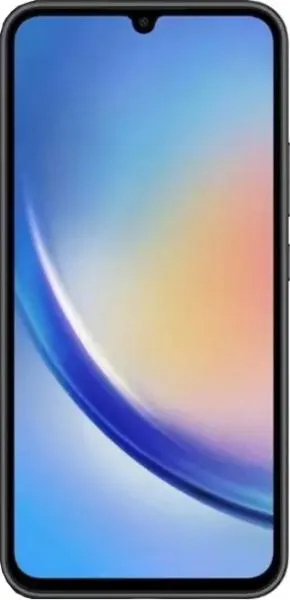
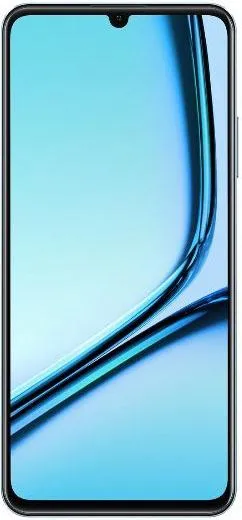
| Feature | Samsung Galaxy A34 | Realme Note 50 | Practical Impact |
|---|---|---|---|
| Design | |||
| Dimensions (mm) | 161.3 x 78.1 x 8.2 | 167.2 x 76.7 x 8.0 | A34 is slightly smaller and may feel more comfortable in hand. |
| Weight (g) | 199 | 186 | Note 50 is noticeably lighter. |
| Build | Not specified | Not specified | Build quality impact cannot be assessed. |
| Display | |||
| Size (inches) | 6.6 | 6.74 | Note 50 has a marginally larger screen. |
| Resolution | 1080 x 2340 | 720 x 1600 | A34 has a significantly sharper display, resulting in clearer text and images. |
| Panel Type | Super AMOLED, 120Hz | IPS LCD, 90Hz | A34's AMOLED offers richer colors, deeper blacks, and better power efficiency. 120Hz provides smoother animations compared to 90Hz. |
| PPI | 390 | 260 | A34's higher pixel density leads to a noticeably sharper image. |
| Performance | |||
| Chipset | Mediatek Dimensity 1080 (6nm) | Unisoc Tiger T612 (12nm) | A34's Dimensity 1080 offers significantly better performance and efficiency due to its smaller manufacturing process. |
| CPU | Octa-core (2x2.6 GHz A78 & 6x2.0 GHz A55) | Octa-core (2x1.8 GHz A75 & 6x1.8 GHz A55) | A34 has faster and more powerful CPU cores, enabling smoother multitasking and demanding app usage. |
| GPU | Mali-G68 MC4 | Mali-G57 | A34's GPU offers much better gaming and graphics performance. |
| RAM | 6/8GB | 3/4GB | A34 offers more RAM, improving multitasking and overall responsiveness. |
| Camera | |||
| Rear Camera | 48MP Main, 8MP Ultrawide, 5MP Macro, 5MP Depth | 50MP Main, 2MP B&W | While Note 50 boasts a higher megapixel count on the main sensor, A34's additional ultrawide and dedicated macro lens provide more versatile photography options. Image quality comparison is impossible without sensor details for the Note 50. |
| Front Camera | 13MP | 8MP | A34 likely offers better selfie quality with higher resolution. |
| Video Recording | 4K@30fps | 1080p@30fps | A34 can record higher resolution video. |
| Battery | |||
| Capacity | 5000 mAh | 5000 mAh | Similar battery capacity. |
| Charging | 25W Fast Charging | 33W Fast Charging | Note 50 boasts slightly faster charging speeds. |
| Other | |||
| NFC | Yes | No | A34 supports contactless payments and data transfer via NFC. |
| OS | Android 13 | Android 13 | Both run on Android 13 but max OS version for Note 50 is unspecified. |
| Price Range | Medium | Low | Note 50 is significantly cheaper. |
2. Key Differences Analysis
Samsung Galaxy A34 Advantages:
- Superior Display: Sharper, smoother, and more vibrant due to AMOLED technology and 120Hz refresh rate.
- Significantly Better Performance: Dimensity 1080 chipset and more RAM provide a smoother and more responsive user experience.
- More Versatile Camera System: Offers ultrawide and macro lenses for a wider range of photography options.
- NFC Support: Enables contactless payments and data transfer.
Realme Note 50 Advantages:
- Lower Price: Significantly more affordable.
- Slightly Faster Charging: 33W compared to 25W on the A34.
- Lighter Weight: More comfortable for extended use.
3. User Profiles & Recommendations
Samsung Galaxy A34: Suitable for users who prioritize performance, display quality, camera versatility, and features like NFC. Ideal for gaming, media consumption, mobile photography, and contactless payments.
Realme Note 50: Best suited for budget-conscious users who primarily need a large screen device for basic tasks like calling, texting, web browsing, and social media.
4. Decision Framework
Key Questions for Buyers:
- What is your budget? The Note 50 offers significant cost savings.
- What are your performance expectations? The A34 offers a considerably smoother and more powerful experience.
- What features are essential to you? Consider the importance of display quality, camera versatility, NFC, and charging speed.
Scenario-Based Recommendations:
- Tight Budget, Basic Use: Realme Note 50
- Balanced Performance and Price: Samsung Galaxy A34
My Choice: Samsung Galaxy A34
While the Realme Note 50 offers a tempting price point, the Samsung Galaxy A34's significant advantages in performance, display, and camera versatility make it the better overall choice for me. The smoother user experience, sharper visuals, and more versatile photography outweigh the slightly faster charging and lower price of the Note 50. The inclusion of NFC is also a crucial factor for mobile payments and data transfer. The long-term benefits of a more powerful device justify the higher price for a user experience that will remain satisfactory for a longer period. A superior display also drastically improves daily interaction with the device.
